
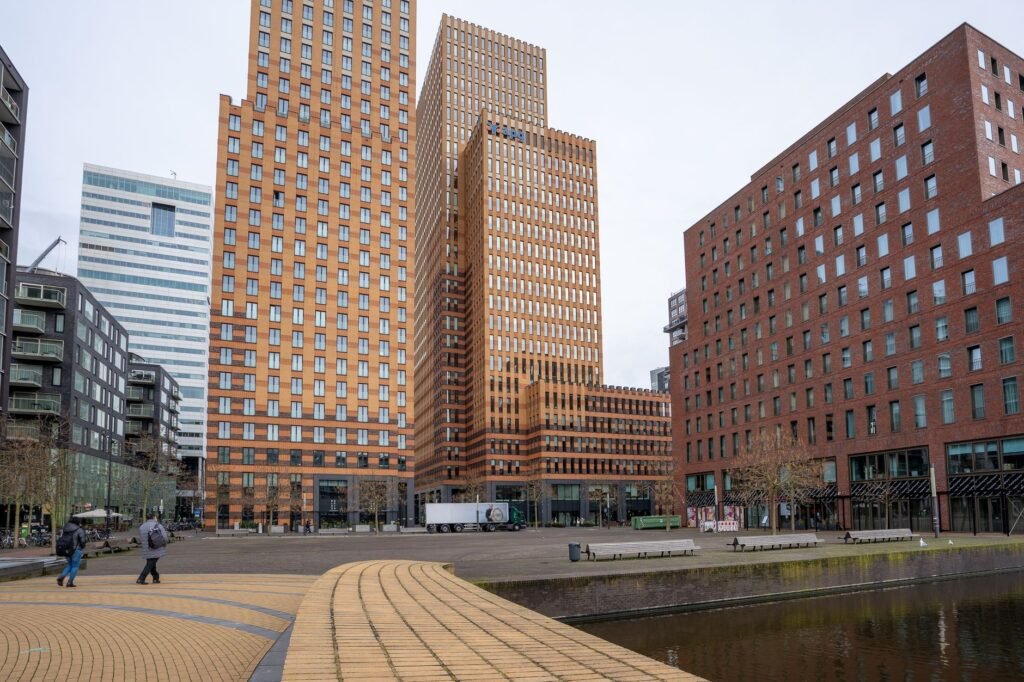
Amsterdam and Eindhoven need to stop working independently and coordinate their technology sectors to protect the country’s digital future, according to a report presented to local leaders.
The study was conducted by Haroon Sheikh, a professor of strategic governance of global technologies at Vrije Universiteit Amsterdam, who was tasked by the Gemeente Amsterdam and the Amsterdam Economic Board to analyze the current ecosystem.
Bridging hardware and software
The report highlights that while the Netherlands has two world-class innovation hubs, they fail to leverage each other’s strengths effectively.
Sheikh points out that foreign competitors in the United States and China are moving toward full integration of physical infrastructure and digital tools, whereas Dutch organizations remain fragmented across regions.
Eindhoven holds a well-defined identity built around chip machinery and hardware development, while Amsterdam serves as a center for software, artificial intelligence, and financial technology startups.
Under the proposed model, artificial intelligence tools created in Amsterdam could help optimize high-tech manufacturing in the south, while local developers could build models tailored to domestic hardware.
Building a unified profile
Unlike the Brainport region around Eindhoven, which benefits from clear focal points, Amsterdam lacks a single unifying corporate anchor to advocate for its tech sector in national policy discussions.
Local firms often treat each other as competitors for talent and resources rather than partners, which has diluted the capital city’s influence compared to other European tech centers.
The report warns that current local practices rely heavily on artificial intelligence platforms built in the United States and China.
Without joint investments between Dutch research universities, chip designers, and software firms, European businesses risk becoming overly dependent on foreign infrastructure for essential daily operations.

![Top [count] Travel Blogs to Follow - OnToplist.com](https://www.ontoplist.com/images/ontoplist31.png?id=6a8dcf108f478)