
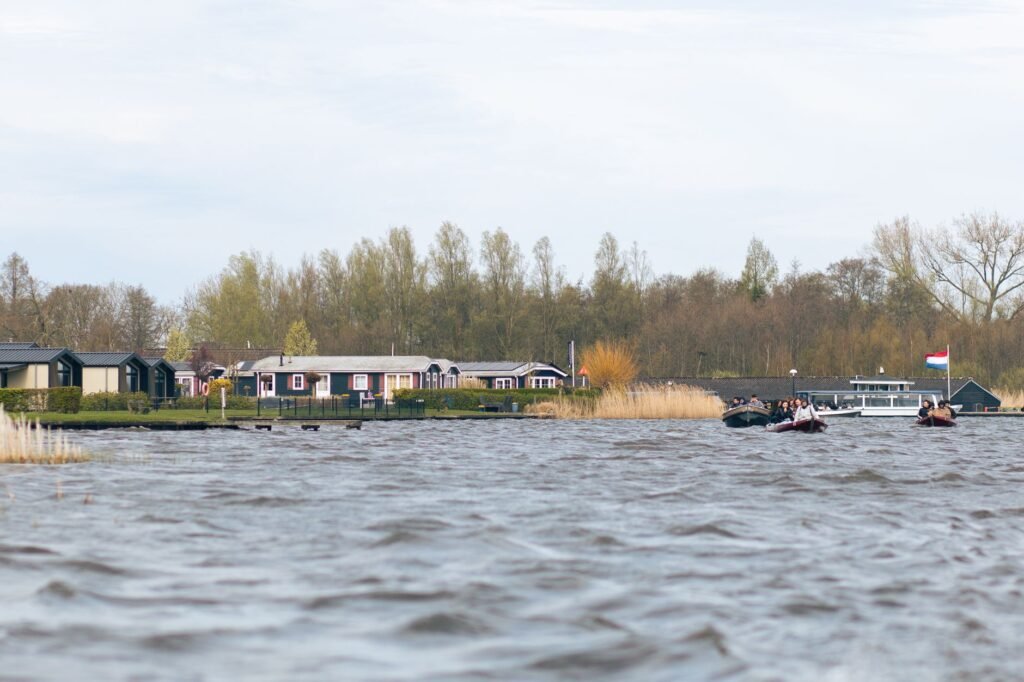
None of the Dutch lakes and swimming spots tested in a new study meet chemical environmental standards.
Popular swimming waters in and around Amsterdam, including the Gaasperplas, Nieuwe Meer, and Het Twiske, are all heavily contaminated.
Researchers from Natuur & Milieu and the Netherlands Institute of Ecology examined 262 swimming locations across the country.
The number of sites that met all chemical quality standards dropped to zero.
In and around Amsterdam, inspectors tested the Gaasperplas, IJmeer, Nieuwe Meer, Diemerpark, Het Twiske, and Ouderkerkerplas.
Every single site contained excessive levels of chemicals.
Pollution across city lakes
The Gaasperplas and the Ouderkerkerplas both exceeded limits for ten different chemical substances.
Water at the IJmeer and Diemerpark exceeded thresholds for eight chemicals, while the Nieuwe Meer exceeded seven.
Across all national sites, the Jagersplas in Zaanstad was the most polluted, exceeding limits for 18 substances.
Urban waters around Amsterdam showed high concentrations of combustion byproducts linked to industry and traffic, while rural areas suffered more from agricultural pesticides.
The most common problem substances found across the country were PFOS, flame retardants, and mercury.
Incomplete water safety checks
Swimmers currently checking water safety on the official website zwemwater.nl only see data on blue-green algae and faecal bacteria.
While a site may be rated as excellent on the platform, that rating ignores high concentrations of chemical toxins.
Researchers noted that a single swim will not immediately make people sick.
However, they warned that chemical pollution is widespread and remains invisible to recreational users.
The researchers called on the government to tackle chemical water pollution through better monitoring, stricter discharge checks, and tighter permits.
Looking for another place to swim? Explore swimming pools in Amsterdam.