
Top Amsterdam Funeral Homes
Herdenkingspark Westgaarde
Essentially Amsterdam Reader's Choice 2026
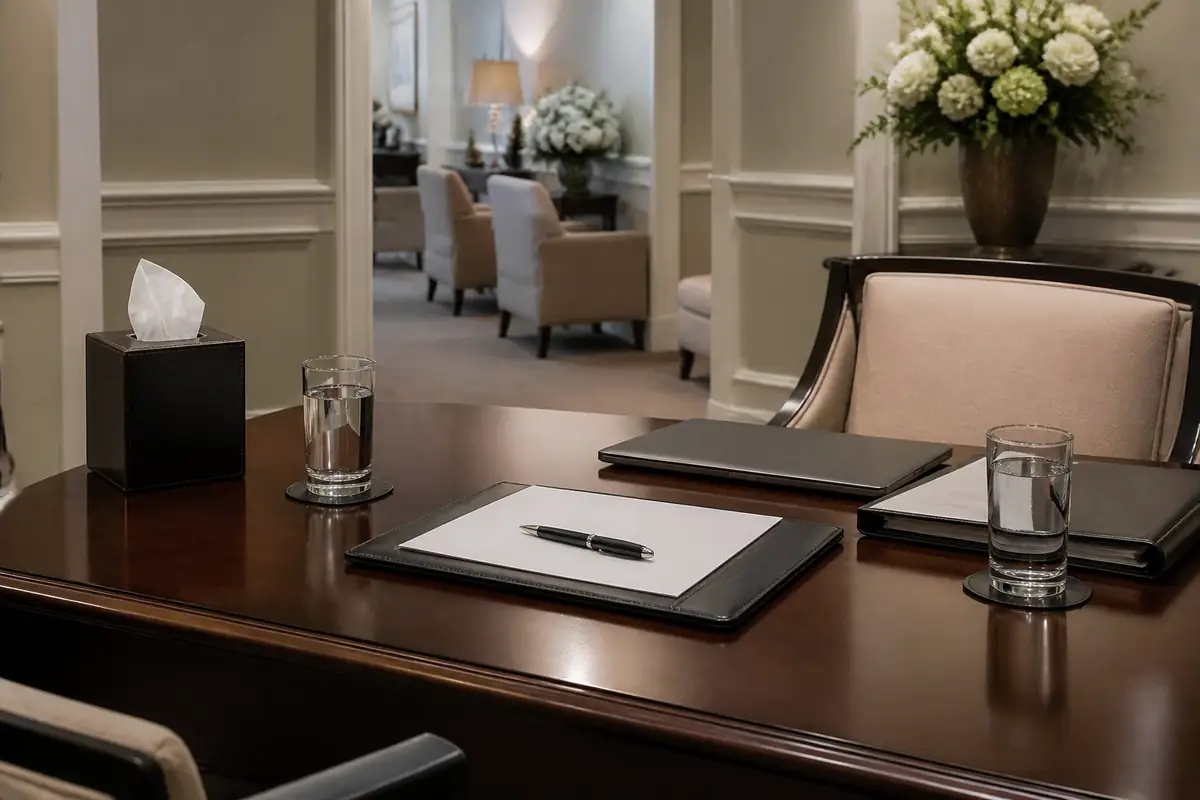
Herdenkingspark Westgaarde combines a cemetery, cremation service and funeral home in Amsterdam, with daily opening hours from 8am to 6pm. It is also a fairly active local listing, with 60 Google reviews and a majority...
View Details
Claim this listing
Your business? Claim it free - fix your details, add photos and links. One minute. Read more
Roman-Catholic Cemetery Buitenveldert
Essentially Amsterdam Reader's Choice 2026
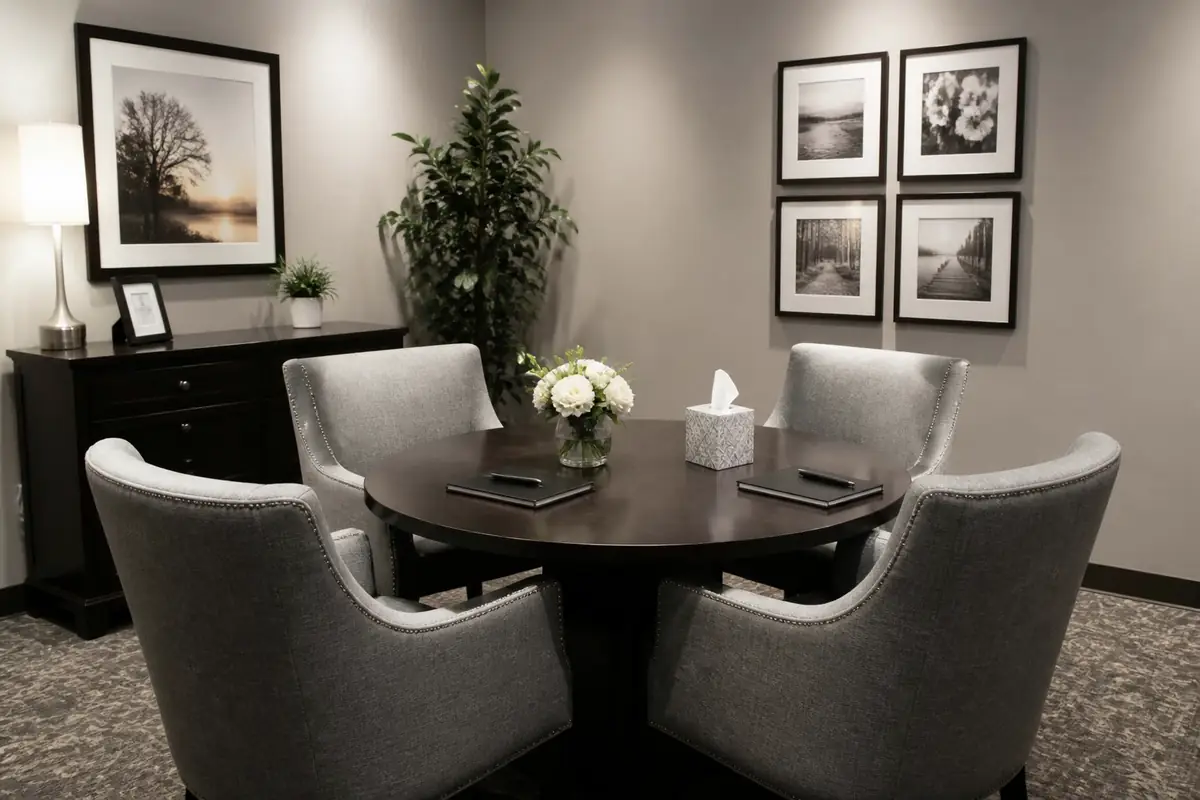
Roman-Catholic Cemetery Buitenveldert in Amsterdam combines cemetery services with funeral celebrancy and funeral care, and is open daily from 8am to 7pm.
View Details
Claim this listing
Your business? Claim it free - fix your details, add photos and links. One minute. Read more
Brave Hendrik – Theetuin Eemnes
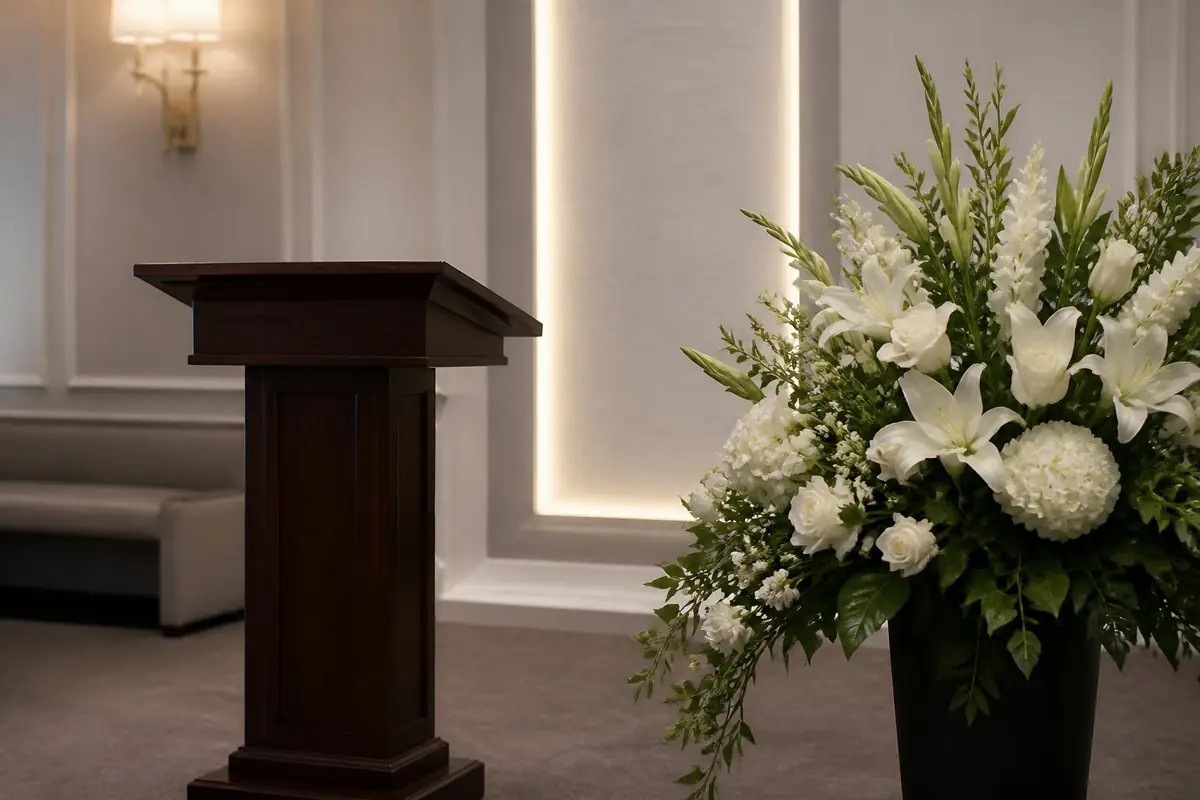
Brave Hendrik in Eemnes combines funeral home, tea house, restaurant and shop functions, and has a large review base with 1,455 Google reviews. It also maintains Facebook, Instagram and LinkedIn pages.
View Details
Claim this listing
Your business? Claim it free - fix your details, add photos and links. One minute. Read more

Cultuurkoepel Heiloo
Cultuurkoepel Heiloo is a cultural venue in Heiloo that hosts events, meetings and funeral ceremonies. It also serves as a cultural centre, with a strong presence on Facebook, Instagram and LinkedIn.
View Details
Claim this listing
Your business? Claim it free - fix your details, add photos and links. One minute. Read more
Inn Style
Inn Style in Maarssen is ook actief als uitvaartlocatie naast eventplanning, evenementen en congressen. De locatie is dagelijks open en heeft een groot online bereik, met 377 reviews en aanwezigheid op Facebook en LinkedIn.
View Details
Claim this listing
Your business? Claim it free - fix your details, add photos and links. One minute. Read more
PC Uitvaart
PC Uitvaart has been arranging funerals in Amsterdam since 1931, with support for cremation and burial, pre-arrangement, and cemetery services. It operates day and night and has a large review base, with 234 Google reviews...
View Details
Claim this listing
Your business? Claim it free - fix your details, add photos and links. One minute. Read more
Dierencrematorium Zaanstad
Dierencrematorium Zaanstad in Wormerveer has 203 Google reviews and a 97% five-star rating. It is active on Facebook and Instagram.
View Details
Claim this listing
Your business? Claim it free - fix your details, add photos and links. One minute. Read more
Iede Hoorn
Iede Hoorn Uitvaartzorg in Amsterdam is centred on personal funerals, with practical support before, during and after the service. The business is open day and night, has 162 Google reviews with a perfect five-star score,...
View Details
Claim this listing
Your business? Claim it free - fix your details, add photos and links. One minute. Read more
Uitvaartbegeleiding Karin Smit & Uitvaartcentrum Middenmeer
Uitvaartbegeleiding Karin Smit & Uitvaartcentrum Middenmeer verzorgt uitvaarten in Middenmeer en de regio Alkmaar en Schagen. Met 159 Google reviews en een 100% vijfsterrenbeoordeling heeft het bedrijf een sterke reputatie; het is dag en nacht...
View Details
Claim this listing
Your business? Claim it free - fix your details, add photos and links. One minute. Read more
Zielhuis Funeral
Zielhuis Funeral in Amsterdam specialises in pink funerals for the LHBT community, with fully personalised services for different budgets. It is open 24/7 and has a strong reputation online, with 159 Google reviews and 97%...
View Details
Claim this listing
Your business? Claim it free - fix your details, add photos and links. One minute. Read more
Amstel Uitvaarten
Amstel Uitvaarten combines modern funeral care with traditional craftsmanship in Amsterdam. It handles burial and cremation arrangements, is available 24/7, and has 136 Google reviews with a 90% five-star score.
View Details
Claim this listing
Your business? Claim it free - fix your details, add photos and links. One minute. Read more
Conference Center Drakenburg
Conference Center Drakenburg in Baarn combineert congreslocatie, catering, trouwlocatie en uitvaartcentrum. Met 125 Google reviews en 54% vijfsterrenwaarderingen is het een drukbezochte locatie, ook op Facebook.
View Details
Claim this listing
Your business? Claim it free - fix your details, add photos and links. One minute. Read more
![Top [count] Travel Blogs to Follow - OnToplist.com](https://www.ontoplist.com/images/ontoplist31.png?id=6a8dcf108f478)