
Top Amsterdam Spanish & Tapas Restaurants
Owner verified
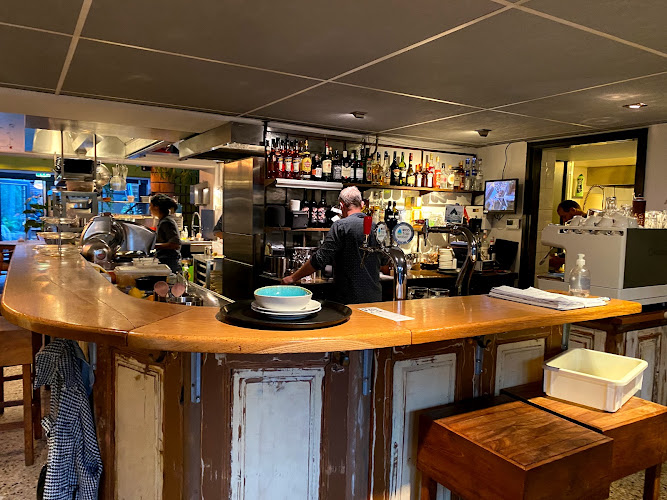
Tasca Bellota
Tasca Bellota is a Spanish and Mediterranean tapas spot in Amsterdam, with 660 Google reviews.
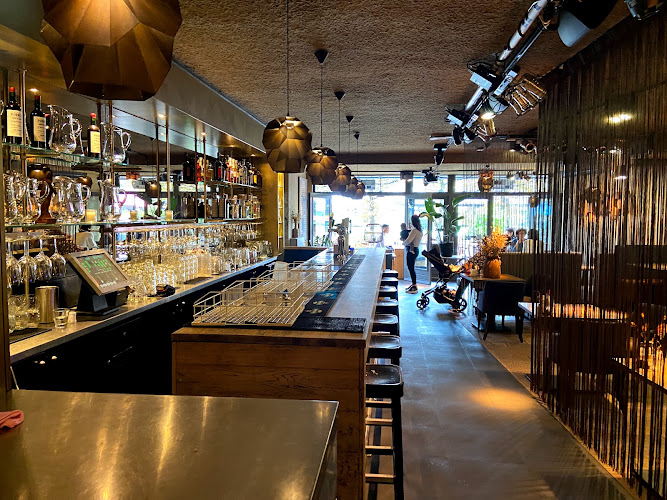
Barça
Barça brings a Barcelona-style mix of lunch, tapas, dinner and drinks to Marie Heinekenplein in Amsterdam. This bar restaurant also operates as a cocktail bar and lunch spot, with a large review profile and active...
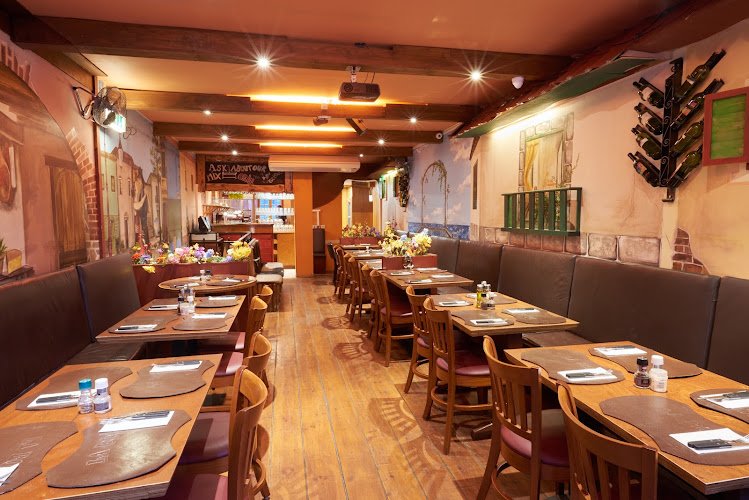
La Boca – Tapas & Steaks Since 1995
La Boca has served Argentinian tapas, steaks and grill dishes in Amsterdam since 1995. It also handles group and business catering, making it a practical choice for borrels and company gatherings. The restaurant has a...
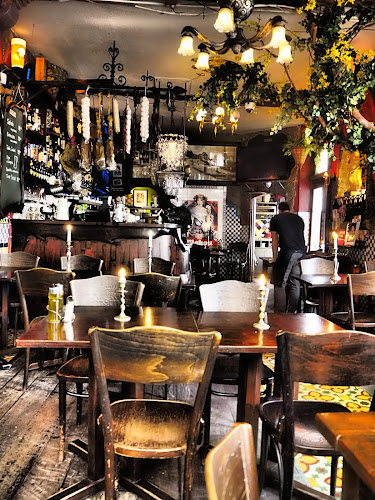
Café Josélito
Café Josélito is a tapas bar and restaurant in Amsterdam city centre, serving Spanish food in a café setting. It has more than 2,300 Google reviews and a presence on Instagram.
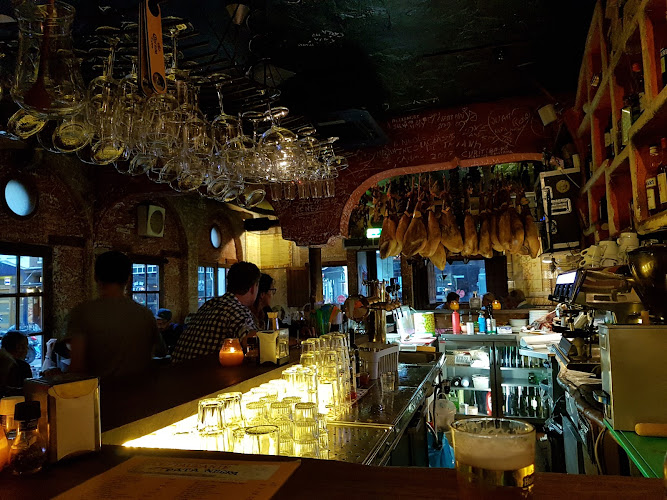
Pata Negra
Tapas at Pata Negra in Amsterdam, open daily from noon to 11:30pm. It draws a large crowd for Spanish small plates and has an active Facebook presence.

Tapas Amsterdam Tia Rosa
Tia Rosa is a tapas restaurant and tapas bar on the Reguliersgracht in Amsterdam, close to Rembrandtplein. It brings Spanish food and sangria to a canal-side setting, and its social presence includes Facebook and Instagram.
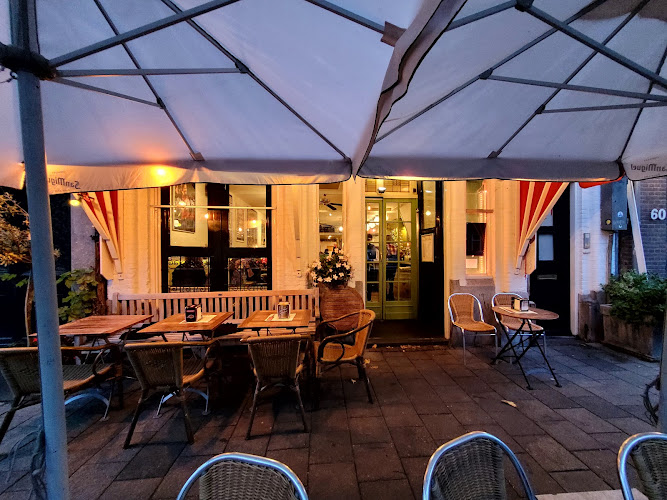
Duende Tapas Bar
Duende Tapas Bar brings Spanish tapas, live music and a buzzing bar atmosphere to Amsterdam. It combines European and Spanish dishes with an entertainment-led setting and has an active Instagram presence.

La Oliva
La Oliva is a Spanish restaurant in Amsterdam’s Jordaan, with a strong wine angle highlighted on its website. It has an established following, a large review count, and active Facebook and Instagram pages.

Mamas & Tapas
Mamas & Tapas serves tapas and small plates in Amsterdam, with a busy following and an active presence on Facebook and Instagram.
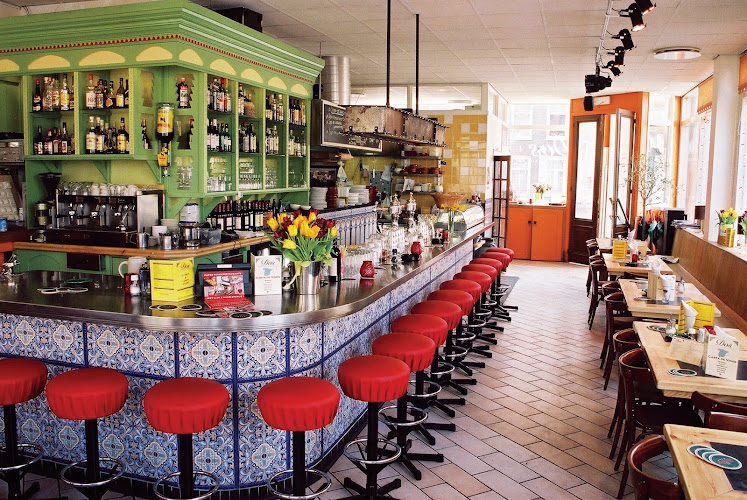
Duende Dos
Duende Dos is a Spanish restaurant and café in Amsterdam. The business has a strong online presence, with more than 1,200 Google reviews and an active Facebook page.

Taparia Amsterdam
Taparia Amsterdam is a busy tapas bar in Amsterdam, also serving cocktails and European dishes. With 1,193 Google reviews, it’s one of the more talked-about spots in the area and is active on Facebook and...
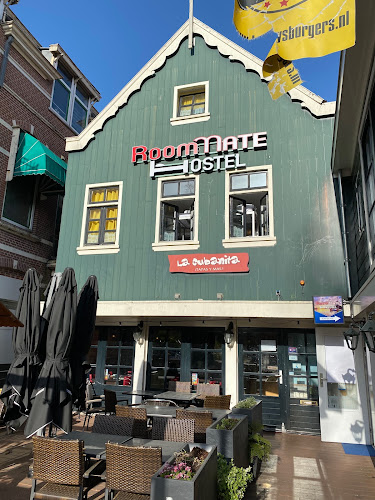
La Cubanita Zaandam
La Cubanita Zaandam serves Spanish tapas in a tapas-bar setting, with a lively shared-plates format. It has more than 1,000 Google reviews and is active on Facebook, Instagram and LinkedIn.