
Top Amsterdam International Schools
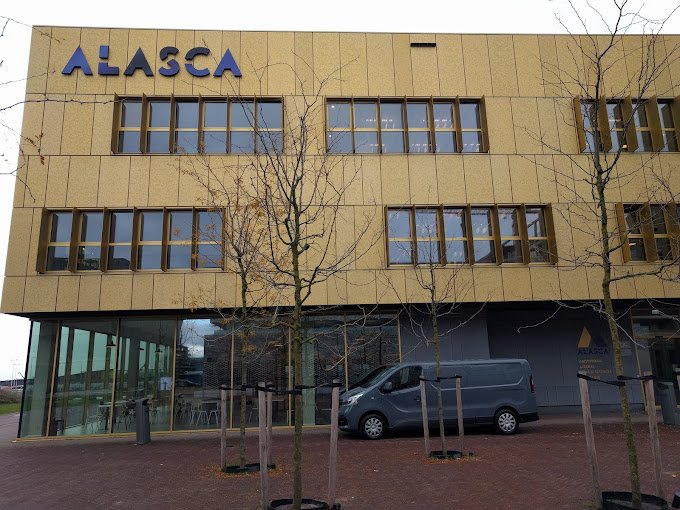
ALASCA – Amsterdam Liberal Arts & Sciences Academy
Secondary IB World School run by Esprit Scholen on Zeeburgereiland in Amsterdam-Oost, combining Dutch havo/vwo tracks with the International Baccalaureate Diploma Programme. Its interdisciplinary curriculum spans philosophy, science, design and the arts, with a strong...
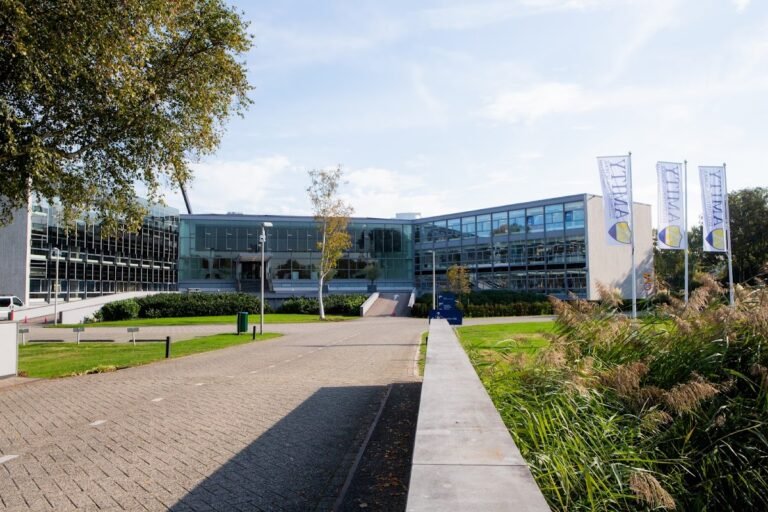
Amity International School Amsterdam
IB World School in the green De Braak area of Amstelveen, offering the Primary Years, Middle Years and Diploma programmes for children aged 3 to 18. Teaching is in English within an international community, as...
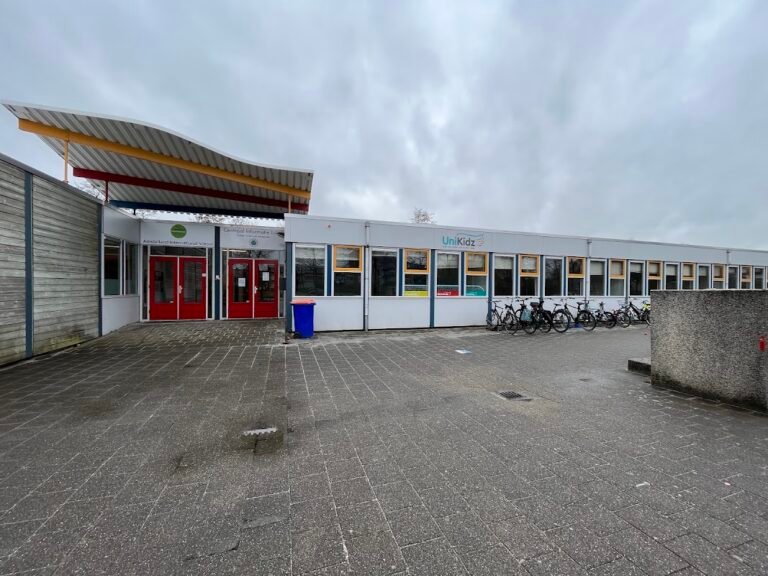
Amstelland International School
Amstelland International School in Amstelveen provides an English-language inquiry-based primary programme for pupils aged 4 to 11, built on the International Early Years Curriculum and the International Primary Curriculum with Cambridge Primary pathways, and is...
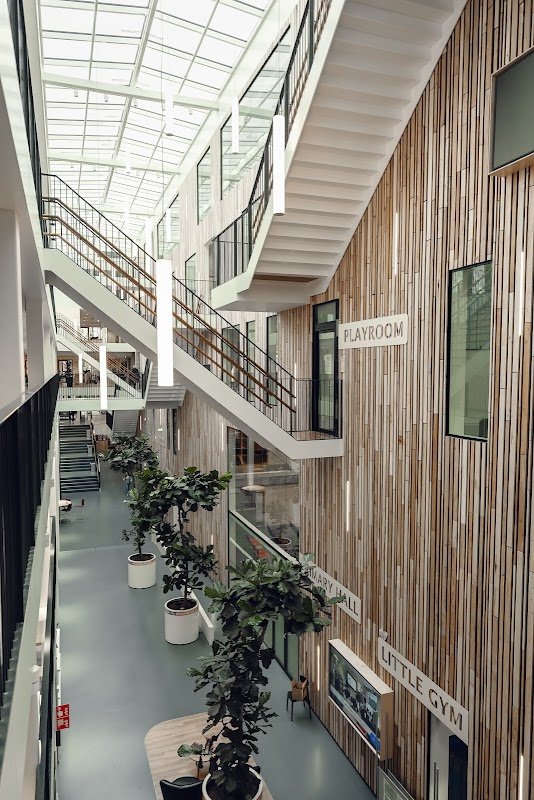
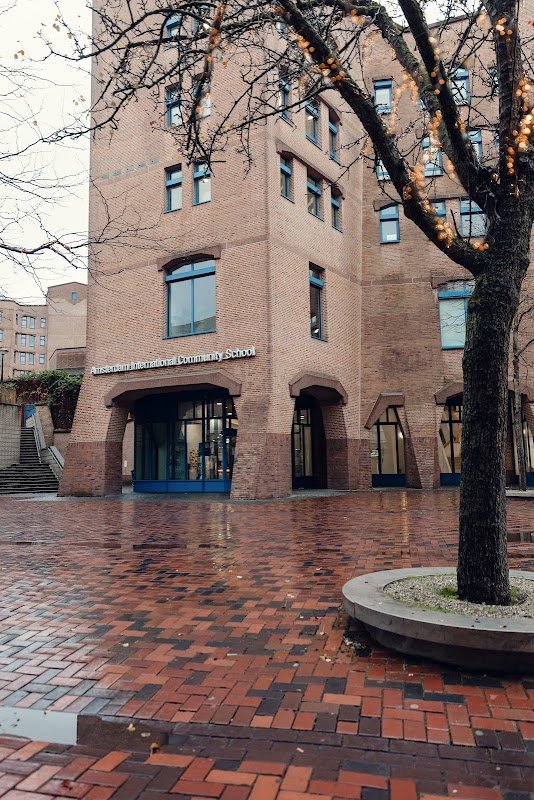
Amsterdam International Community School (AICS) – South Campus
English-language international school run by the public Esprit Scholen foundation, offering all four International Baccalaureate programmes (PYP, MYP, DP and CP) for students aged roughly 4 to 19. The South campus sits on Arent Janszoon...
Amsterdam International Community School (AICS) – Southeast Campus
Southeast campus of the Amsterdam International Community School, housed in the former ING 'Sandcastle' building at Bijlmerplein in Amsterdam-Zuidoost. Like the South campus it delivers the International Baccalaureate programmes in English for primary and secondary...
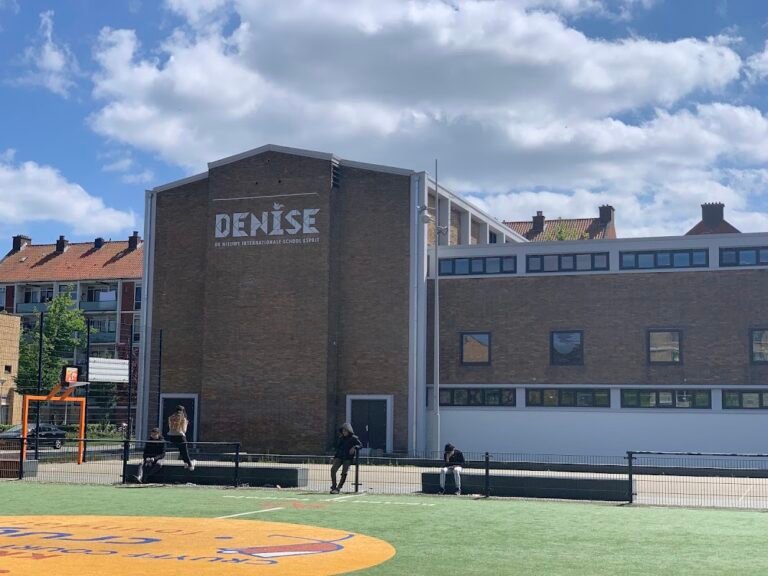
DENISE – De Nieuwe Internationale School Esprit
Bilingual international school in Amsterdam-West offering combined international and Dutch education for students aged 4 to 18, with instruction in both English and Dutch. Run by the public Esprit Scholen foundation, it emphasises inclusive, internationally...
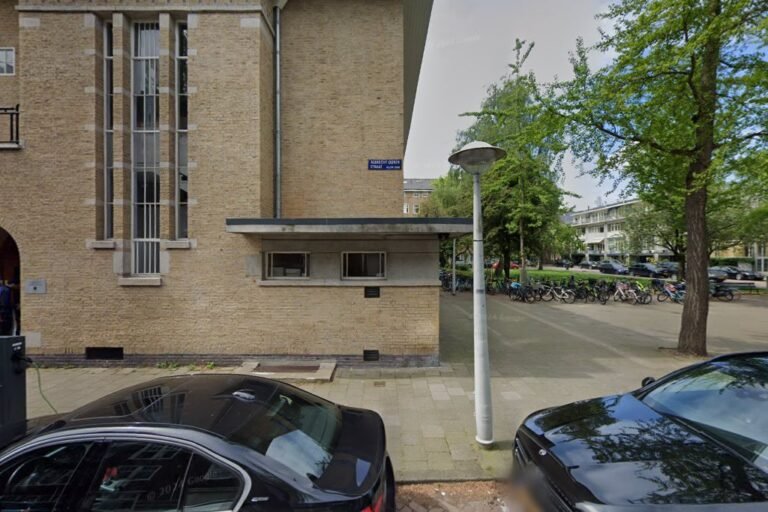
International French School Amsterdam – Primary Campus
International French School Amsterdam's primary campus on Anthonie van Dijckstraat in Amsterdam-Zuid teaches children from age 2 to 11. The school follows the French national curriculum in bilingual French and English from preschool onwards, with...
International French School Amsterdam – Secondary Campus
The secondary campus of International French School Amsterdam in Amsterdam-Zuid educates pupils aged 11 to 18. Teaching follows the French national curriculum delivered in bilingual French and English, with Dutch language lessons, and includes a...

International School of Amsterdam (ISA)
Private international school founded in 1964 in Amstelveen, just south of Amsterdam. It was the first school in the world to offer all IB programmes from the Primary Years through the Diploma Programme, teaching students...
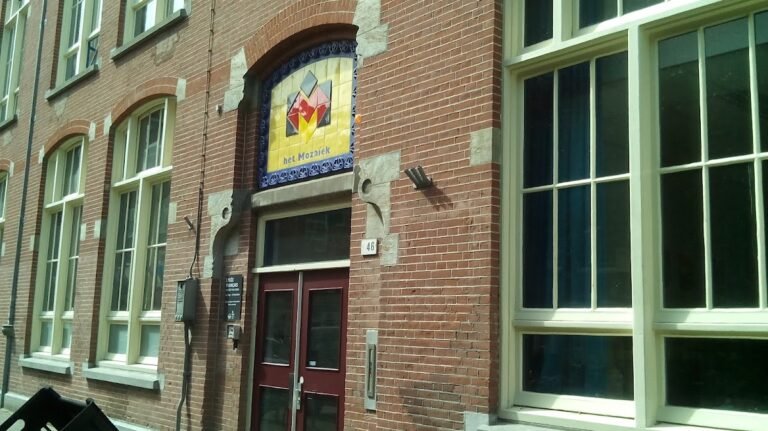
Lycee Vincent van Gogh (Amsterdam)
French school following the French national curriculum under the AEFE network, part of the Lycee Vincent van Gogh The Hague-Amsterdam. The Amsterdam site in De Pijp provides kindergarten and primary education (roughly ages 2.5 to...
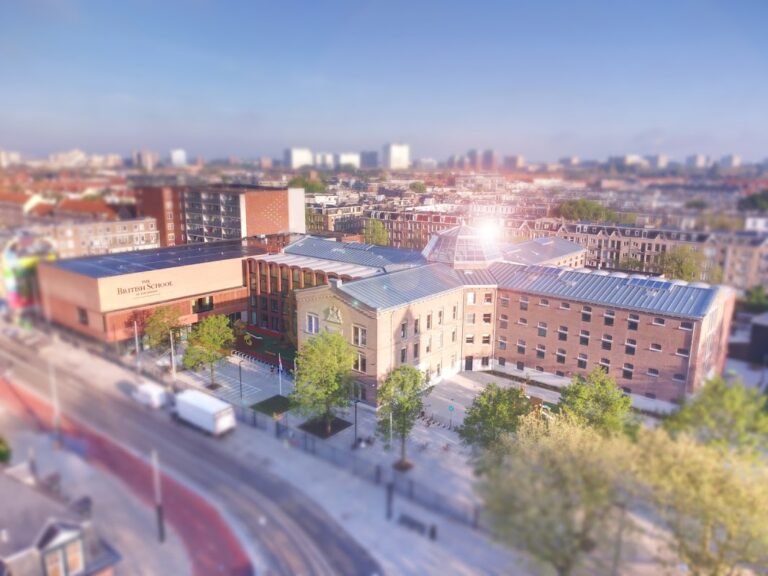
The British School of Amsterdam
The British School of Amsterdam on Havenstraat in Amsterdam-Zuid educates pupils from age 3 to 18 across its Early Years, Junior and Senior schools on a single campus. Teaching follows the National Curriculum for England...
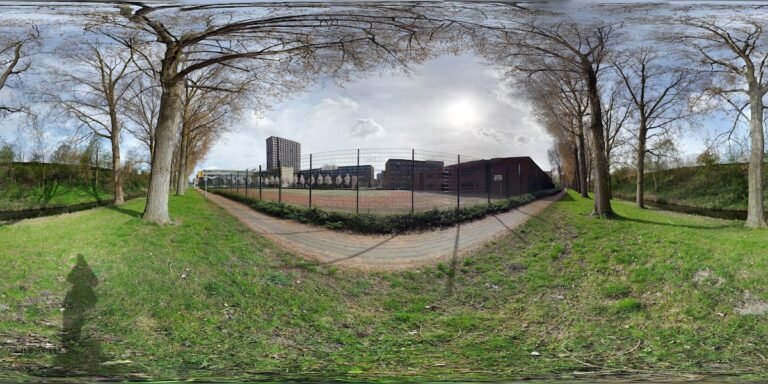
The Japanese School of Amsterdam
Independent day school founded in 1980 following the Japanese national curriculum, teaching primarily in Japanese for primary and lower-secondary pupils. It serves the Japanese community around Amsterdam and Amstelveen from its premises on Karel Klinkenbergstraat...