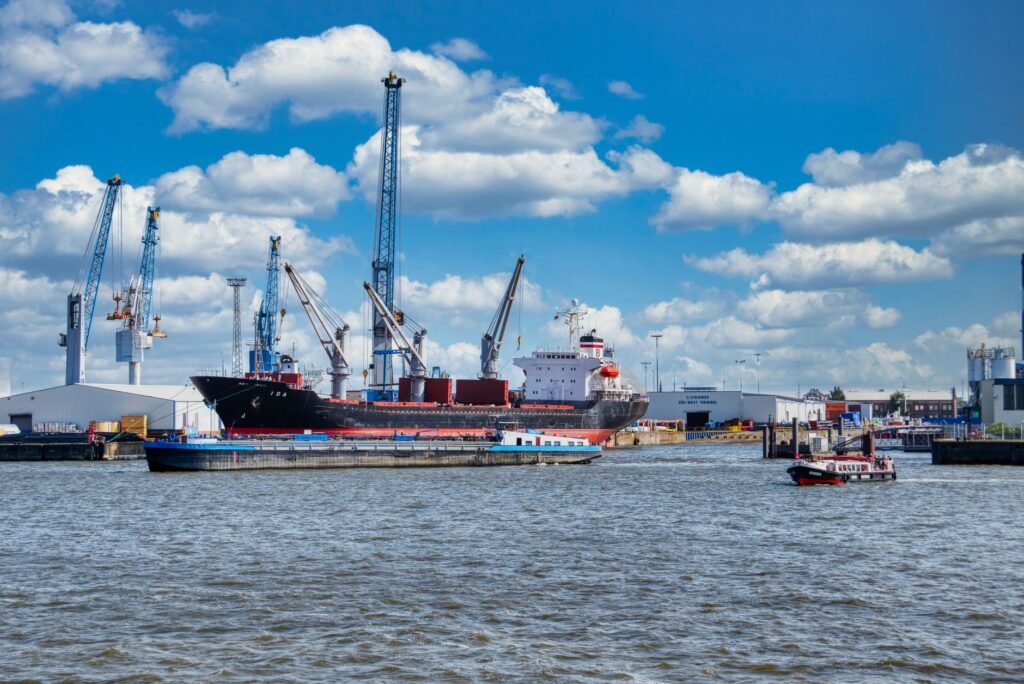
Spanish logistics company Exolum has acquired a minority stake in SeaSeaS Amsterdam, a project building a large carbon dioxide export terminal in the capital’s port area.
The investment aims to speed up construction of the facility, which will connect industrial polluters in the Netherlands and Germany with permanent storage sites beneath the North Sea.
Open access carbon transport
Designed as Western Europe’s first open-access carbon dioxide terminal, SeaSeaS will process both biogenic and non-biogenic carbon emissions.
The infrastructure is planned to handle up to 3.5 million metric tons of carbon dioxide each year once it reaches full operation.
Industrial emitters will be able to send their captured carbon to the site by cargo vessel, freight rail, road transport, or direct pipeline.
Targeting a 2030 launch
Exolum brings extensive experience in liquid product transport and storage to help build out the terminal’s safety and operational scale.
The location at the Port of Amsterdam makes it a central hub for industrial regions across the Western Netherlands and neighboring Germany.
By offering multimodal access, the terminal will allow smaller industrial facilities without direct pipeline connections to participate in carbon capture programs.
Supporting regional climate goals
The facility is scheduled to become fully operational by 2030, aligning with broader European Union emission reduction targets.
While the initial phase focuses strictly on transporting carbon dioxide to subsea geological storage, future plans include reusing captured gas as a industrial feedstock.
That raw material could eventually supply clean fuel and chemical manufacturing projects planned within the City of Amsterdam industrial zones.