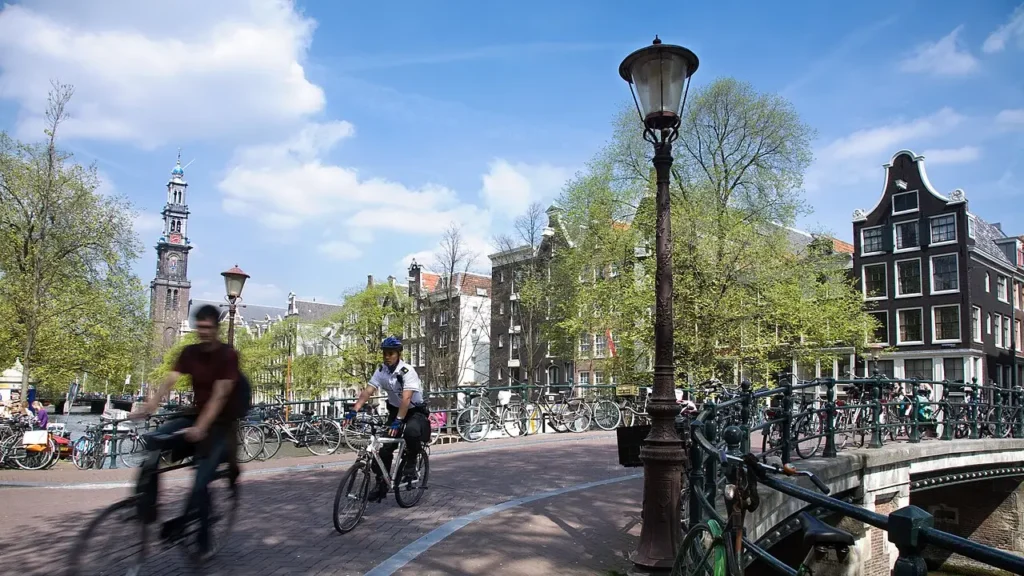
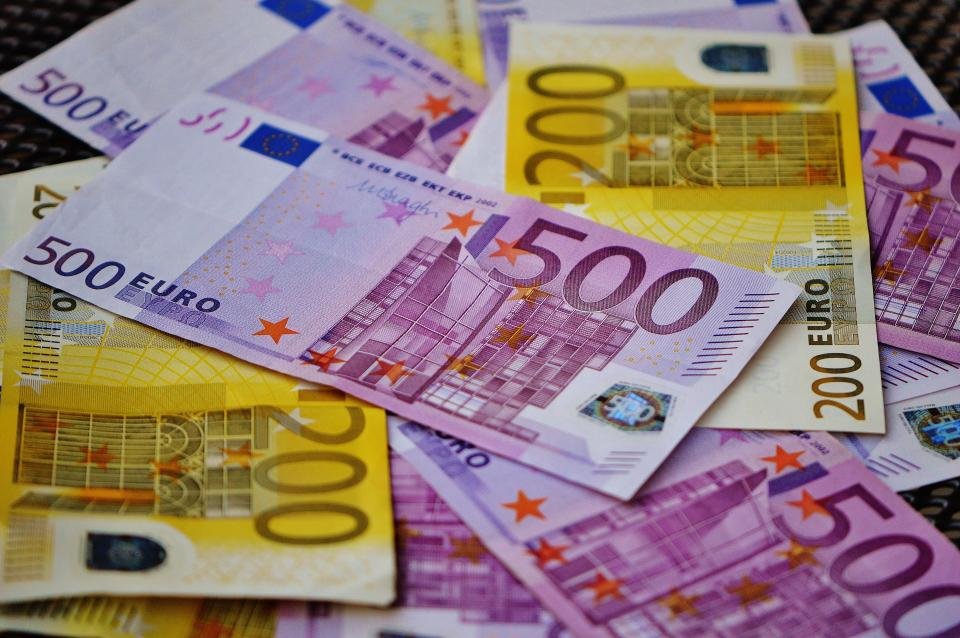
Amsterdam designer Joost Grootens has made it to the final stage of a competition to design Europe’s next generation of euro banknotes. Based in the Oostelijk Havengebied neighborhood, Grootens was selected from a pool of 1,200 applicants across the continent.
The competition marks the first major redesign of the physical currency in over twenty years. Officials are updating the notes primarily to improve security features and prevent counterfeiting.
Designing for culture
Grootens built his career as a book designer, focusing on complex projects like atlases, bibles, and dictionaries. When he came across the open call from the European Central Bank last year, he decided to submit a proposal despite having never designed currency before.
His work is shortlisted in the European Culture category, one of two main themes alongside European birds. His entry features notable historical figures portrayed as relatable human beings rather than idealized icons.
For instance, his proposal for the twenty-euro note depicts scientist Marie Curie as an older woman with visible wrinkles. His version of the one-hundred-euro note focuses closely on the eyes of Leonardo da Vinci, omitting his famous beard and hat.
Functional requirements
Designing currency comes with a long list of technical constraints that differ sharply from traditional print publishing. Designers must incorporate specific security measures, including watermarks, metallic strips, and tactile features for the visually impaired.
The design must also remain functional in everyday use, meaning the denomination must stay visible even when a bill is folded in half. Grootens noted that fitting all these required elements onto such a small surface presented an unexpected technical challenge.
Public voting process
The selection process now moves to a public vote open to all European residents. People can view the shortlisted concepts and cast their votes online through September 21.
A final decision on the winning design will follow the public consultation phase. The new physical banknotes are expected to enter general circulation starting in 2030.