
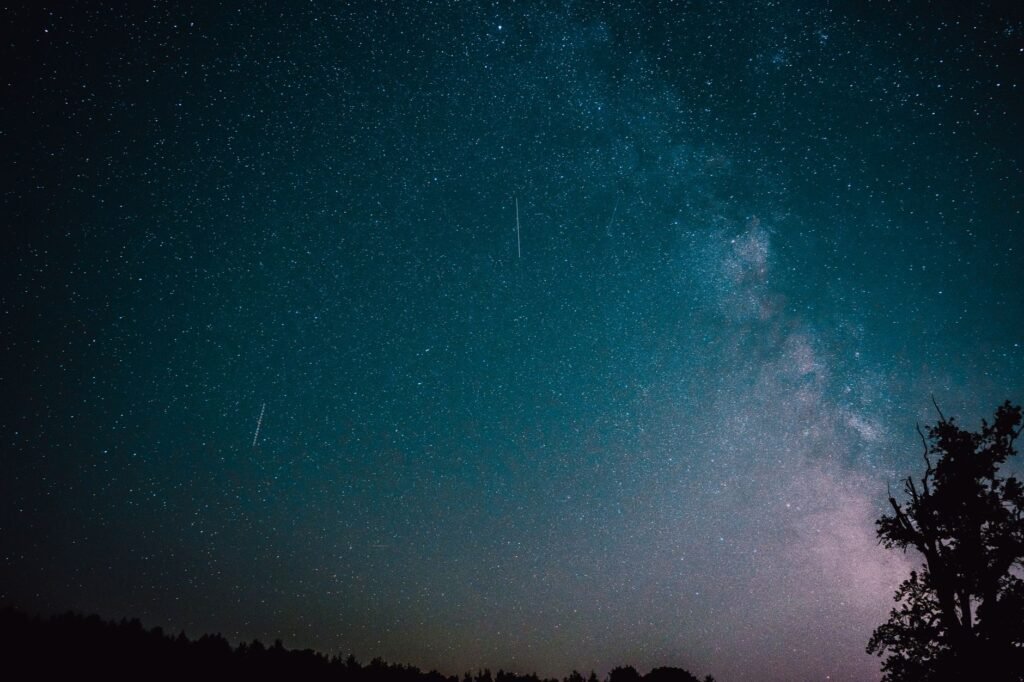
The annual Perseid meteor shower will reach its peak over Amsterdam this week, giving local stargazers a chance to view dozens of shooting stars per hour.
According to astronomical forecasts, the best viewing window occurs in the late night and early morning hours between Wednesday, August 12, and Thursday, August 13.
Peak timing and visibility
The shower is expected to peak at around 3:45 a.m. on Thursday morning.
Under clear conditions, observers can expect to see between 40 and 55 meteors per hour streaking across the night sky.
The meteors are visible to the naked eye, meaning no binoculars or telescopes are required to view the display.
Best locations for viewing
City lighting can reduce visibility, so finding a dark location improves the chances of seeing fainter streaks.
Open green spaces on the outskirts of the city, such as the Amsterdamse Bos, offer darker conditions away from streetlights.
Unlike specific celestial events that require eye protection, like the 2026 solar eclipse, meteor showers can be watched directly safely.
Origin of the meteors
The Perseids occur every year when Earth passes through the trail of debris left behind by the comet Swift-Tuttle.
As tiny particles of dust and ice enter the atmosphere at high speeds, they burn up and create glowing trails of light.


![Top [count] Travel Blogs to Follow - OnToplist.com](https://www.ontoplist.com/images/ontoplist31.png?id=6a8dcf108f478)