
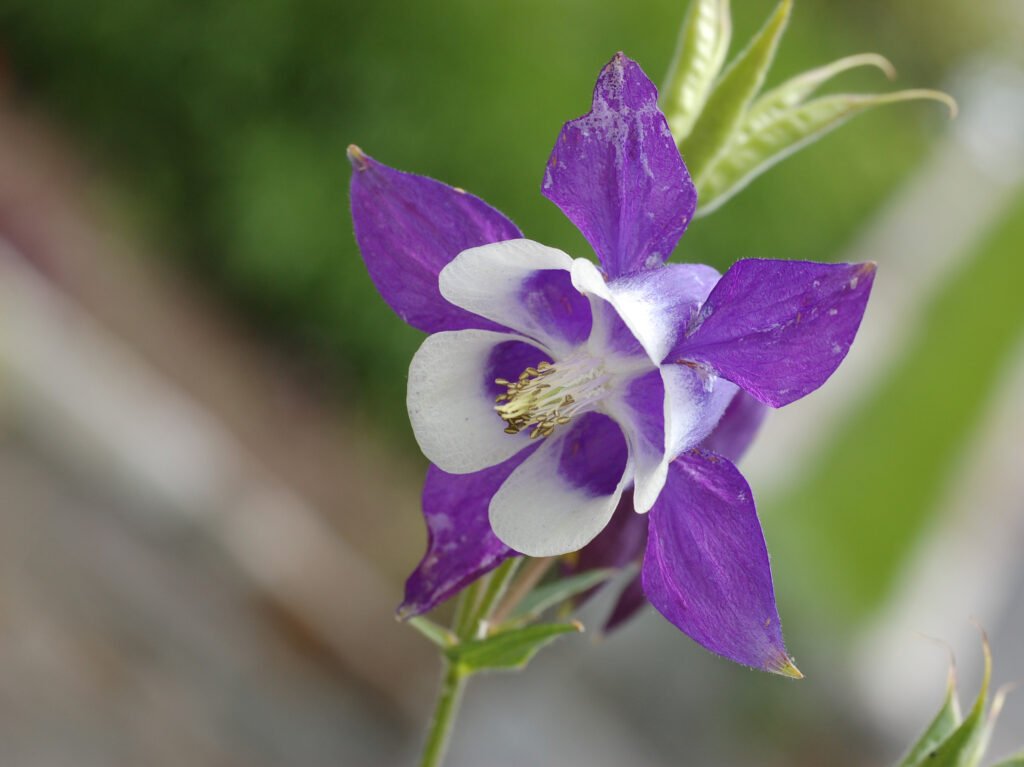
A group of Amsterdammers is building the Vlindersnelweg, or butterfly highway.
It is a network of unsprayed greenery, made up of plants native to the Netherlands, where butterflies can rest, shelter and breed.
Despite the name, it will not be one continuous route.
The organisers have in mind a main structure running from the Amsterdamse Bos to the Marineterrein.
Gardens have already been planted at both sites and at Artis.
Butterflies down 56% in thirty years
Over the past thirty years the butterfly population has fallen by 56%.
The main causes are climate change, pesticide use and the breaking up of natural areas.
Like bees and hoverflies, butterflies are pollinators, and pollinators are essential for the reproduction of 80% of plant species in the Netherlands.
The project started last year.
It is run by the team behind the green roof project Roef and the NK Tegelwippen, and the city of Amsterdam and De Vlinderstichting are also involved.
The idea came from Ton Hilhorst, who has worked as a gardener at Artis for 25 years.
The Vlindersnelweg officially opens at Artis on 6 November.
Plant packages for gardens and balconies
The organisers say large sites are not enough and that gardens and balconies are needed too.
“We want a kind of patchwork of green spread across the city,” says Remco Moen Marcar, one of the people behind the project.
Since early September, residents have been able to order packages of pesticide-free butterfly plants on the Vlindersnelweg website.
About twenty have been sold so far.
One buyer is Jasper Riehm, who has created a small garden on the pavement outside his home on the Singel.
The organisers hope to sell more packages before the first night frost, which is expected around the end of November.
If a patchwork of green across the city sounds appealing, a wander through Amsterdam’s parks is a good place to start.


![Top [count] Travel Blogs to Follow - OnToplist.com](https://www.ontoplist.com/images/ontoplist31.png?id=6a8dcf108f478)