Not one Amsterdam tailor publishes a price list, and the shops themselves will tell you why.
The price is set in the fitting, because the same instruction - take this in - is twenty minutes of work on a straight seam and two hours on a lined jacket.
So the practical skill is not finding the cheapest atelier.
It is describing the job precisely enough that two shops quote for the same thing.
What Services You Can Expect From A Local Atelier
Most Amsterdam ateliers cover three overlapping trades, and knowing which one you need saves a wasted visit.
Alterations adjust a garment you own, repairs rescue one that has failed, and made-to-measure builds one from scratch on your measurements.
Manas Tailor is the clearest example of a shop covering the full alteration range under one roof.
It handles hem adjustments, waist and sleeve alterations, taking garments in or letting them out and custom fitting across business, casual, formal and children’s wear, and runs dry cleaning alongside on more than eight hundred customer reviews.
King’s Tailor Amsterdam adds the two ends that alteration shops usually leave out.
It makes made-to-measure garments and gives styling and tailoring advice as a service in its own right, which is worth an appointment if you are commissioning rather than repairing.
MAY Tailor sits across both, doing made-to-measure suits and everyday alterations from shortening trousers to reshaping a dress.
For repairs attached to laundry, Landorette on Banstraat has run as a launderette and dry cleaner for thirty-four years and takes zips, buttons, sleeves, trouser legs and seams over the same counter.
How Alterations, Repairs, And Dry Cleaning Usually Work
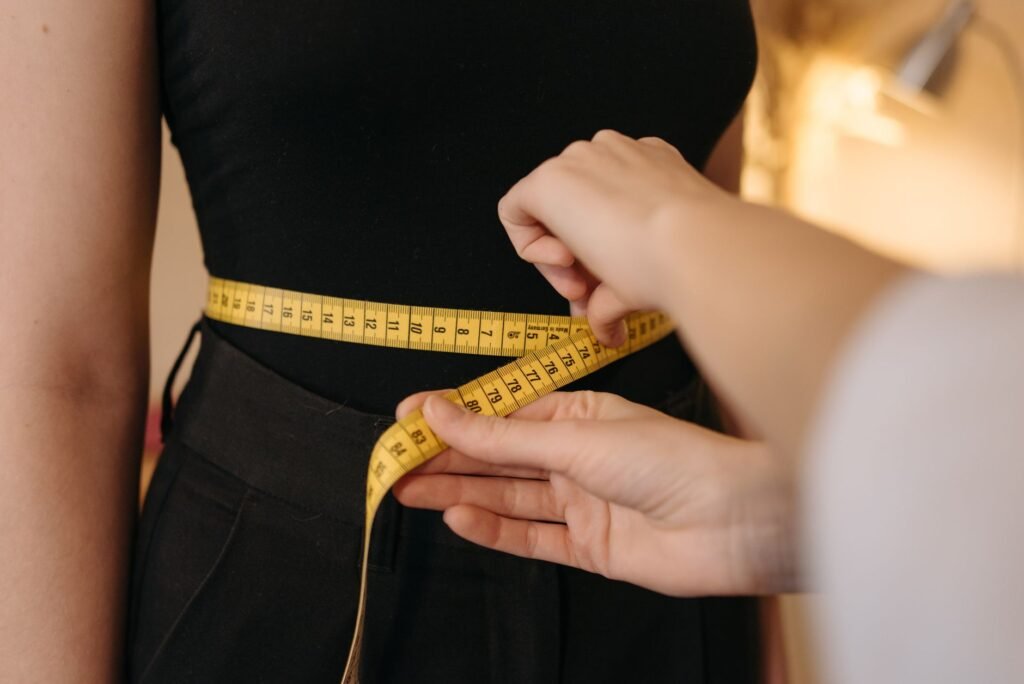
The process is the same almost everywhere and it starts with you putting the garment on.
The tailor pins it while you wear the shoes you will wear with it, marks the change, quotes the price and the collection date, and only then starts work.
That order matters, because a quote given over a counter without a fitting is a guess.
Landorette states the sequence plainly on its own terms: the garment is assessed, the approach is advised, then the price and turnaround are agreed before anything is cut.
Dry cleaning and alteration are separate operations even when they happen in one shop.
Send a garment to be cleaned before it is altered, not after, because cleaning can shrink wool by a fraction that matters once a hem is finished.
Expect a second fitting on anything structural.
A hem or a waistband is usually one visit; a jacket taken in through the body, a shoulder adjusted or a dress reshaped will need you back before the work is finished.
What Affects Pricing And Turnaround Time
Four things move the price, and they are the four to name when you ask for a quote.
Construction is the first: an unlined skirt is quick, a lined and canvassed jacket is not, because the lining has to be opened and rebuilt around whatever you changed.
Fabric is the second and it cuts both ways.
Delicate silks, sequinned surfaces and anything with a pattern that has to match across a seam all cost more in time than plain wool of the same size.
The number of seams touched is the third, and it is the one customers underestimate.
Taking in a shirt at the sides is one operation; taking in a jacket properly means the side seams, the lining, sometimes the sleeves and often the pockets.
Turnaround is the fourth and it is negotiable in a way price is not.
Most ateliers here work to about a week on standard alterations, and most will do it faster for a surcharge if you say at the counter that you have a date.
Where To Go In Amsterdam For Reliable Garment Care
Match the shop to the job rather than to the neighbourhood.
For a straightforward hem or a zip, a good local atelier or a laundry with a repair counter such as Landorette is faster and cheaper than an appointment at a bespoke house.
For anything structural, go to a shop that makes garments as well as altering them.
King’s Tailor and MAY Tailor both make to measure, which means someone there understands how a jacket is built and therefore how it can safely be taken apart.
Take a first job that does not matter much.
A pair of trousers hemmed is a cheap test of whether a shop keeps its date, presses properly and finishes an edge the way you would want on something expensive.
Then stay with whoever passes.
A tailor who has your measurements and has seen how you wear things is worth more than a marginally lower price somewhere new.
Frequently Asked Questions
Amsterdam ateliers quote per garment after a fitting, so the answers below cover what drives the number and the wait.
How much do clothing alterations usually cost in Amsterdam?
No atelier in the city publishes rates, because the price is set by construction, fabric and how many seams have to be opened rather than by the instruction you give.
Bring the garment, wear it, and ask for the price and the collection date together, which is the point at which a quote becomes real.
Where can I find a reliable tailor or seamstress near central Amsterdam?
Manas Tailor covers alterations and dry cleaning together, King’s Tailor Amsterdam adds made-to-measure and styling advice, and MAY Tailor does both made-to-measure and everyday repairs.
For quick fixes attached to laundry, Landorette on Banstraat has taken repairs over its counter for thirty-four years.
How long do common alterations take, like hemming trousers or taking in a dress?
About a week is the normal turnaround for standard work at most Amsterdam ateliers, with a hem at the quick end and a reshaped dress at the slow one.
Say at the counter if you have a date, because a rush is usually possible for a surcharge and is almost never offered unprompted.
Can a tailor adjust the fit of a suit jacket and trousers for a better silhouette?
Yes, and the order of operations is fixed: the shoulders decide whether a jacket can be saved at all, and everything else follows from them.
Sides, sleeve length, waist and trouser taper are all routine; a shoulder that does not sit correctly is expensive to move and is the point at which a tailor should tell you to buy a different jacket.
What’s the difference between a seamstress and a tailor, and who should I choose?
In practice the distinction here is between a shop that alters garments and one that also builds them, and the second charges more because it knows how the first was constructed.
Use an alteration specialist for hems, zips, waistbands and simple taking-in, and a maker for jackets, coats and anything structural.
What should I bring or wear to an alteration fitting to get the best results?
Wear the shoes and the underlayers you will actually wear with the garment, because a trouser hem pinned in trainers will be wrong in dress shoes.
Bring anything the garment is meant to work with, such as the jacket a shirt sits under, and say what the occasion is, since a hem for a wedding and a hem for the office are not the same length.
Related reading
In the news
- Amsterdam campaign promotes clothing repairs and swaps 2 September 2026