
Top Amsterdam Language Schools
Owner verified
Dutch Ready
Dutch Ready offers private Dutch lessons in Amsterdam, Haarlem, Leiden and online. Its teaching method is designed to help learners pick up the language quickly.
Owner verified
British Language Training Centre
A language training centre in Amsterdam offering English and Dutch courses. It is a Cambridge and IELTS examination centre and also runs CELTA teacher training and in-company classes.
Owner verified
Mercuur Taal Learn Dutch in Amsterdam
Mercuur Taal offers Dutch language courses in central Amsterdam. It provides quality classes at reasonable prices for expats.
Koentact Dutch Courses
Koentact is a Dutch language school in Amsterdam. It offers intensive and semi-intensive group courses, private lessons, and corporate training for those learning Dutch.

EF Education First Taalreizen
The Dutch arm of EF Education First, a travel agency specialising in language-study trips for all ages and levels. It arranges language courses, gap years and study-abroad experiences around the world.
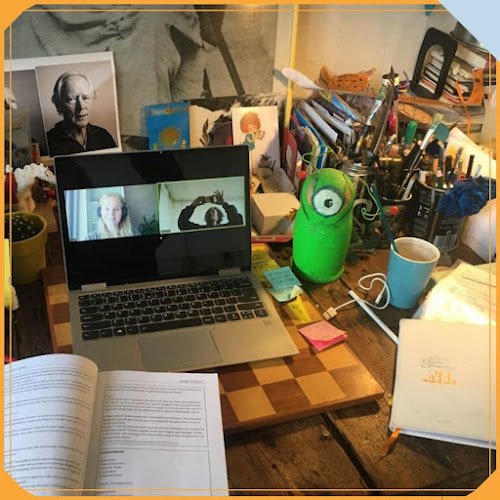
Dutch Courses Amsterdam
Dutch Courses Amsterdam teaches Dutch in a friendly setting, drawing on more than 12 years of teaching experience. Its courses aim to make learning the language enjoyable and effective.
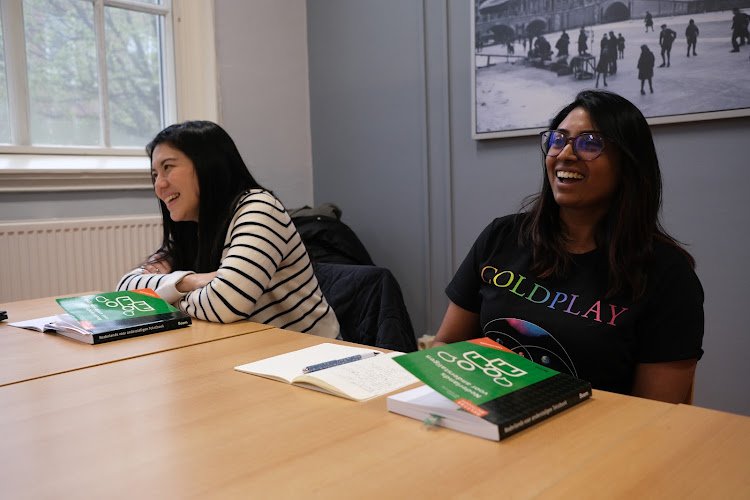
NedLes – Dutch for internationals
NedLes is a language institute in Amsterdam offering Dutch courses for internationals. Classes run at all levels, both online and in person.
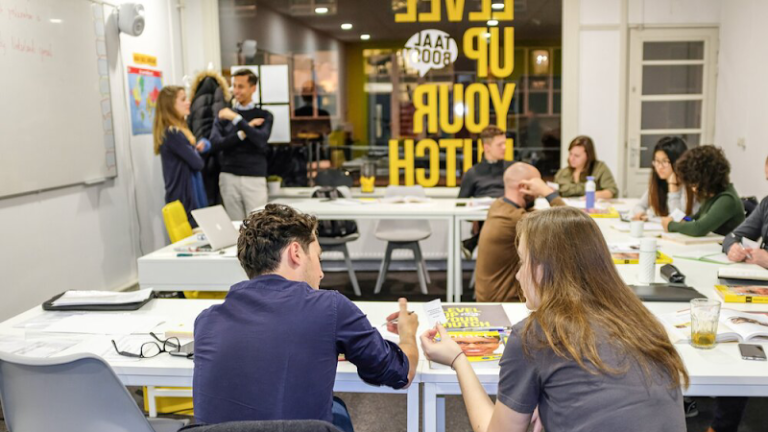
TaalBoost – Dutch Language Courses
TaalBoost offers Dutch language courses in Amsterdam, both in the classroom and online. Its teaching is teacher-guided and feedback-driven, with a practical, interactive focus on everyday use of the language.
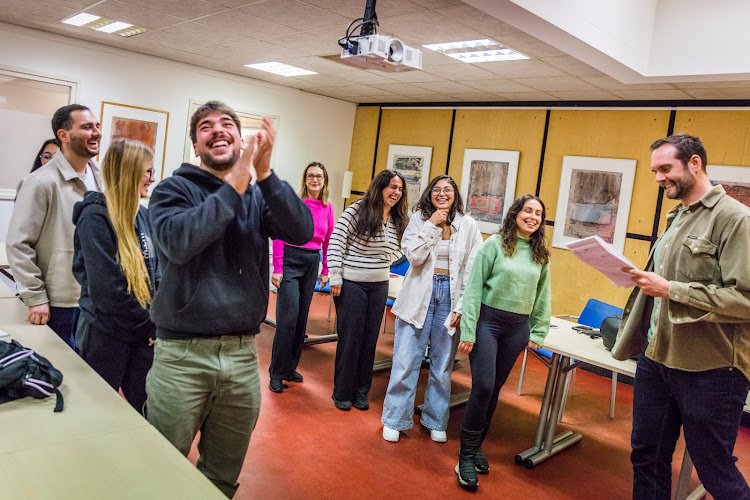
MixTree Languages
A language school in Amsterdam offering interactive English courses with qualified native English teachers. Lessons are available in Amsterdam or live online, aimed at learners wanting engaging, well-priced tuition.
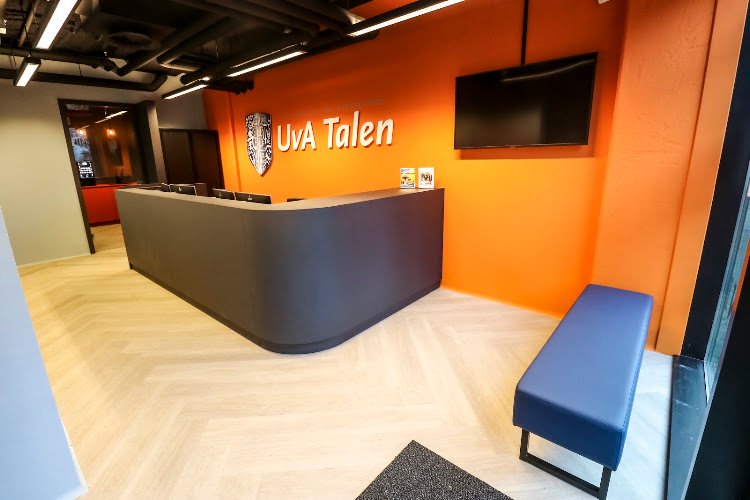
UvA Talen
UvA Talen is a language school in Amsterdam.
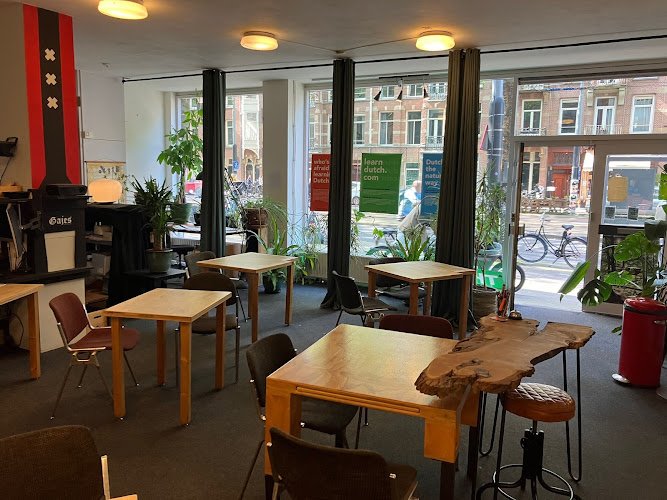
School for Dutch
A Dutch-language school in Amsterdam's De Pijp with a playful, conversation-led teaching method. Courses focus mainly on speaking, helping learners build confidence in Dutch in a fun, relaxed way.
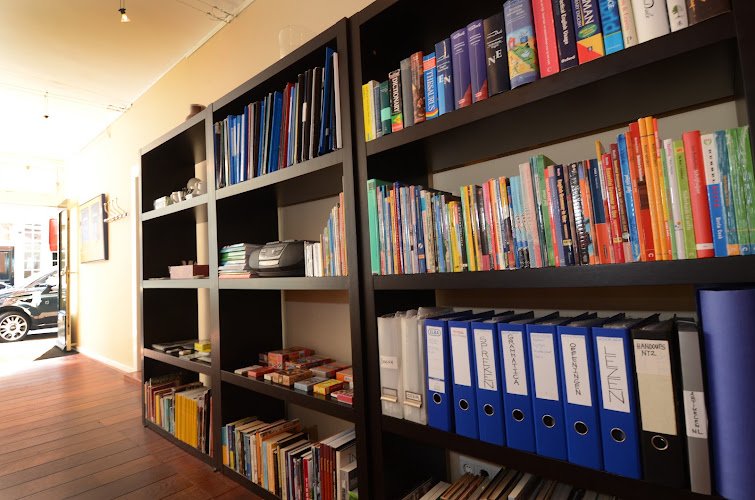
Dutch & Such B.V.
Dutch & Such B.V. is a language school in Amstelveen that offers Dutch and English courses, including in-company and individual lessons. Its Dutch courses cover inburgering and elementary, intermediate and advanced levels, and its English...