You can divorce in the Netherlands without either of you being Dutch, and for most people living in Amsterdam the Dutch courts have jurisdiction from the day they arrive as a couple.
The complications are rarely about whether you can file - they are about which country’s rules govern the money, and about two deadlines after the judgment that people miss.
Can You File Here
Dutch courts take a divorce if both of you are habitually resident here, or if the respondent is, or if you file jointly and either of you is.
Filing alone against a spouse who lives abroad works too, but only after you have lived here for a year - or six months if you are a Dutch national.
Where two countries both have jurisdiction, the court seised first keeps the case, and the other must decline.
That makes the timing of the petition a real decision rather than an administrative one, because the choice of court often decides the financial outcome.
Jurisdiction and applicable law are separate questions.
A Dutch court can grant the divorce under Dutch law while the property settlement follows the law of the country where you married or where you first lived together, particularly for marriages before 2012.
The Process
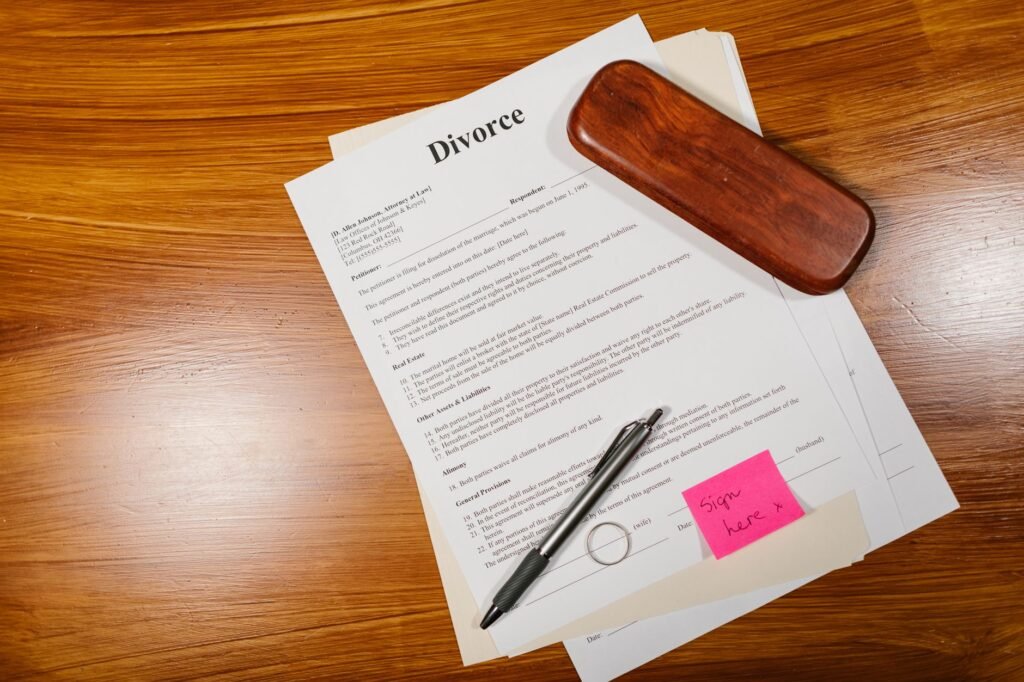
Only a lawyer can file a divorce petition in the Netherlands; there is no route that allows you to do it yourself.
The sole ground is duurzame ontwrichting, irretrievable breakdown, and neither spouse has to prove or admit anything about how it happened.
If you agree on the terms, one lawyer or a mediator can act for both of you and file a joint petition with the echtscheidingsconvenant attached.
Agreed cases usually go through on paper without a hearing, and the court’s decision often arrives within a few weeks of filing.
If you do not agree, each side needs its own lawyer, the court sets a hearing, and interim orders on the house, the children and maintenance may be needed while it runs.
Contested cases are measured in months to years rather than weeks.
Legal aid is available below €30,000 gross annual income for a single applicant and €42,400 for a couple, with assets under €31,340 excluding your own home.
The own contribution then falls between €155 and €897, reduced by €69 if Het Juridisch Loket referred you.
The Two Deadlines After The Judgment
The judgment does not end the marriage.
You are still married until the decision is entered in the marriage register of the municipality where you married, or in The Hague if you married abroad.
That entry must be made within six months of the decision becoming final, and if it is not, the decision lapses and the whole petition has to be brought again.
Either spouse can arrange it, and the usual delay is waiting for the three-month appeal period to run out, which both parties can waive by signing an akte van berusting.
The second deadline is the pension.
Pension rights built up during the marriage are split equally by default, and if you notify the pension fund within two years of the divorce the fund pays your share to you directly when the time comes.
Miss the two years and the right survives, but you have to collect it from your former spouse rather than from the fund - which is a materially worse position thirty years later.
Children And Money
An ouderschapsplan is compulsory where there are children under eighteen, and the court will not process the petition without one.
It has to set out where the children live, how care and holidays are divided, how costs are shared and how the two of you will make decisions together.
Child support is worked out in three steps: what the children cost, based on the household’s net income before the split; what each parent can afford; and a discount for the days each child spends with the paying parent.
The obligation continues past eighteen until the child turns twenty-one, and amounts are indexed every January.
Spousal maintenance has been capped since 2020 at half the length of the marriage, to a maximum of five years.
Two exceptions extend it: where the youngest child is under twelve it runs until that child’s twelfth birthday, and after a marriage of more than fifteen years where the recipient is within ten years of state pension age it runs until that pension starts.
Property division depends on your marriage date.
Marriages from 1 January 2018 are under limited community of property, where pre-marital assets and debts stay individual, while earlier marriages fall under the old full community unless you signed huwelijkse voorwaarden.
Residence Permits And Recognition
A residence permit held on the basis of living with a partner ends when the marriage does, and the deadline is short.
Before signing anything, check whether you qualify for an independent permit for continued residence, which generally requires five years of lawful residence on that basis, and get that advice before the divorce is registered rather than after.
A Dutch divorce is recognised across the EU without further formality, but countries outside it may require legalisation, an apostille or their own recognition procedure.
If you hold nationality or property elsewhere, confirm what that country needs while your Dutch lawyer still has the file open.
Frequently Asked Questions
Jurisdiction, timing, cost and the children are what expats ask about first.
Can I divorce in the Netherlands if neither of us is Dutch?
Yes, if you are both habitually resident here, or if your spouse is, or if you file jointly and either of you is.
Filing alone against a spouse abroad requires a year of residence here, or six months for a Dutch national.
Do I need a lawyer?
Yes - a divorce petition can only be filed by a Dutch advocaat, and there is no self-service route.
If you agree on the terms, one lawyer or mediator can act for both of you, which is substantially cheaper than two.
How long does it take?
An agreed divorce filed jointly with a settlement attached is usually decided within weeks and needs no hearing.
A contested case runs for months or longer, depending on how much is in dispute.
Can I get help with the legal costs?
Subsidised legal aid is available below €30,000 gross income for a single applicant and €42,400 for a couple, with an own contribution between €155 and €897.
Going through Het Juridisch Loket first takes €69 off that contribution.
When am I actually divorced?
Only once the court’s decision is registered with the municipality where you married, which must happen within six months of the decision becoming final.
Until then you remain legally married, and if the six months pass the case has to be started over.
How is child support calculated?
From what the children cost given the household income before separation, split between the parents by what each can afford, with a reduction for the days the paying parent has them.
It runs until the child is twenty-one and is indexed each January.
What happens to our pensions?
Rights built up during the marriage are divided equally by default.
Tell the pension fund within two years of the divorce and it pays your share directly to you; leave it later and you have to claim from your ex-spouse instead.
Will my residence permit survive the divorce?
Not if it depends on your marriage - it ends with the marriage, though an independent permit for continued residence is usually possible after five years of lawful residence.
Take that advice before the divorce is registered, not afterwards.
Related reading
See also: Amsterdam Marriage And Partnership Guide For Expats.
See also: Amsterdam Economy For Expats: Jobs, Costs, And Taxes.