
Top Amsterdam Seafood Restaurants
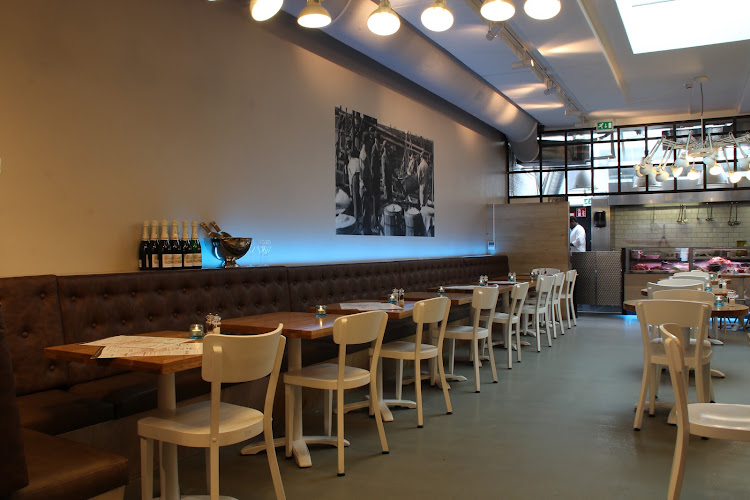

The Seafood Bar
Essentially Amsterdam Reader's Choice 2026
The Seafood Bar in Amsterdam is een modern visrestaurant met bar, dagelijks open van 12:00 tot 23:00 uur. Opgericht door de familie De Visscher, vishandelaren sinds 1984, heeft het een enorme online reputatie met ruim...
Bekijk details
Claim uw bedrijfsprofiel
Uw bedrijf? Claim het gratis - corrigeer uw gegevens, voeg foto's en links toe. Een minuut. Lees meer
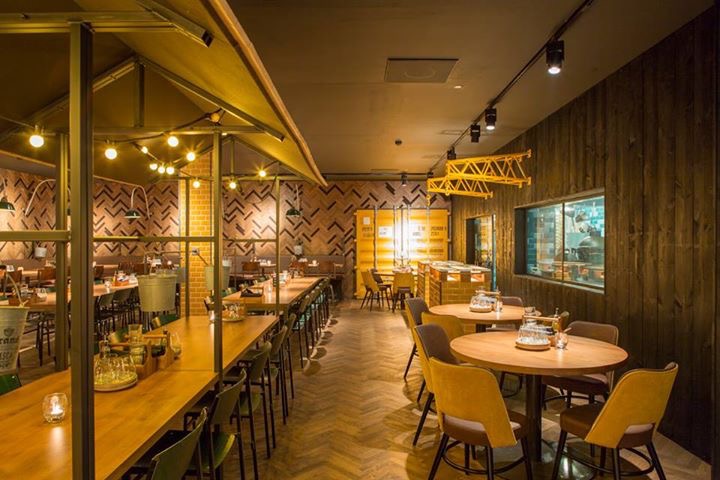
Pesca Amsterdam
Essentially Amsterdam Reader's Choice 2026
Pesca Amsterdam noemt zichzelf een 'Theater of Fish' en combineert een visrestaurant en lunchplek met een eigen vis- en wijnmarkt. Ze zijn dagelijks open van 12:00 tot 23:00, hebben meer dan 4.400 Google-reviews en zijn...
Bekijk details
Claim uw bedrijfsprofiel
Uw bedrijf? Claim het gratis - corrigeer uw gegevens, voeg foto's en links toe. Een minuut. Lees meer

Strandpaviljoen Thalassa
Strandpaviljoen Thalassa is een groot strandpaviljoen in Zandvoort met een restaurant, een kaart vol visgerechten en een sterke aanwezigheid op Facebook, Instagram en LinkedIn.
Bekijk details
Claim uw bedrijfsprofiel
Uw bedrijf? Claim het gratis - corrigeer uw gegevens, voeg foto's en links toe. Een minuut. Lees meer
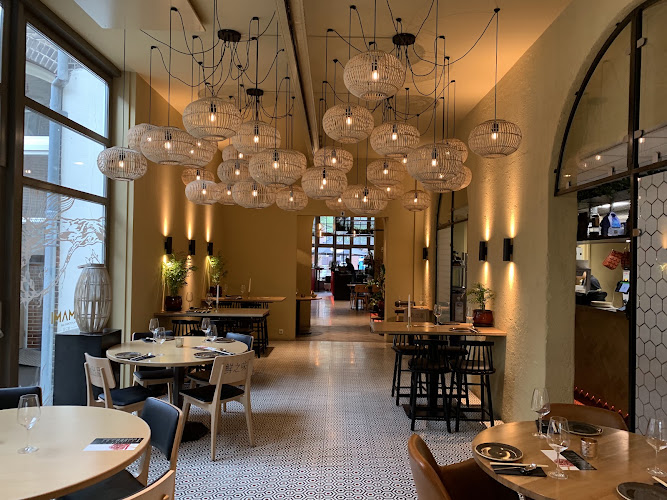
Umami by Han Amsterdam
Umami by Han Amsterdam serveert moderne Aziatische gerechten met een focus op vis en zeevruchten, onder leiding van Michelinchef Han Ji. Het restaurant maakt deel uit van een keten met vestigingen door heel Nederland, heeft...
Bekijk details
Claim uw bedrijfsprofiel
Uw bedrijf? Claim het gratis - corrigeer uw gegevens, voeg foto's en links toe. Een minuut. Lees meer
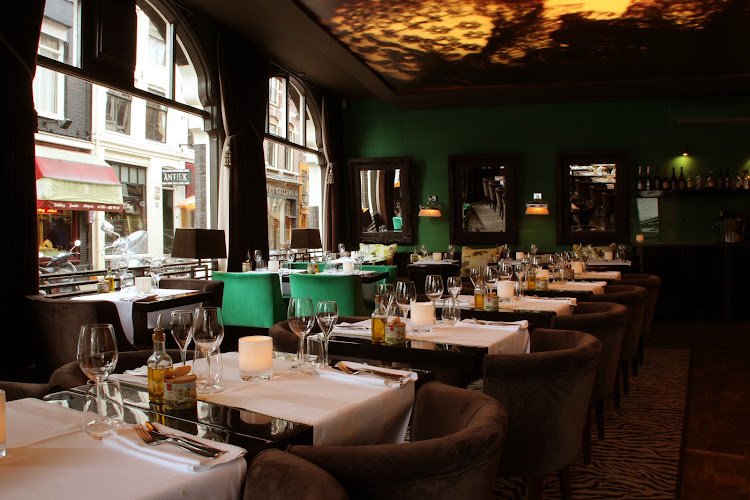
Restaurant Red
Restaurant RED in het centrum van Amsterdam draait om tournedos en kreeft, geserveerd in een warme, Parijse sfeer. Ze zijn dagelijks open van het ontbijt tot laat in de avond, met een ruime kaart en...
Bekijk details
Claim uw bedrijfsprofiel
Uw bedrijf? Claim het gratis - corrigeer uw gegevens, voeg foto's en links toe. Een minuut. Lees meer
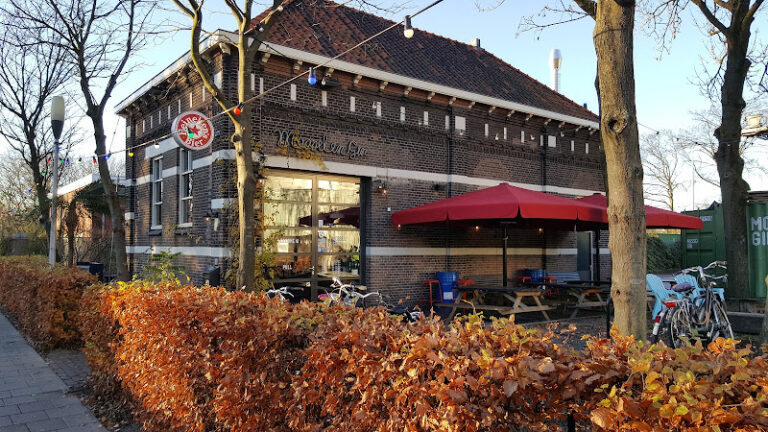
Mossel & Gin | Seafood Westerpark
Mossel & Gin | Seafood Westerpark op de Westergas in Amsterdam zet al 10 jaar mosselen en gin-tonics op de kaart, aangevuld met zeevruchten, visgerechten, cocktails en een gezellige bar.
Bekijk details
Claim uw bedrijfsprofiel
Uw bedrijf? Claim het gratis - corrigeer uw gegevens, voeg foto's en links toe. Een minuut. Lees meer
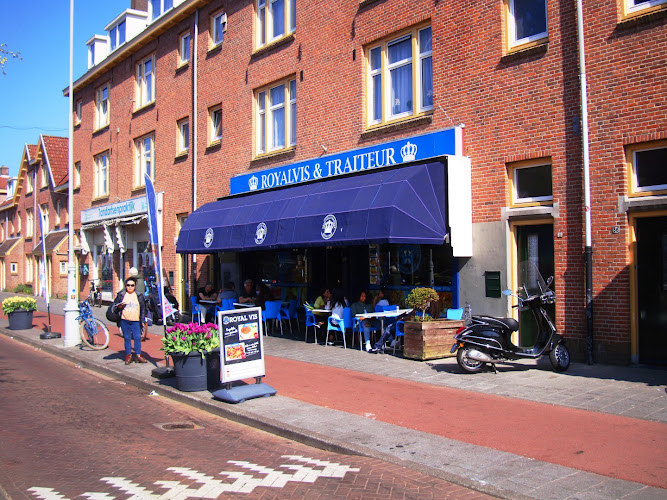
Royalvis & Royal med
Viszaak in Amsterdam waar je terechtkunt voor vis, couscous en fish & chips, met een viswinkel naast het restaurant. Dagelijks geopend van 11.30 tot 22.00 uur en gewaardeerd met ruim 1.200 Google-reviews.
Bekijk details
Claim uw bedrijfsprofiel
Uw bedrijf? Claim het gratis - corrigeer uw gegevens, voeg foto's en links toe. Een minuut. Lees meer
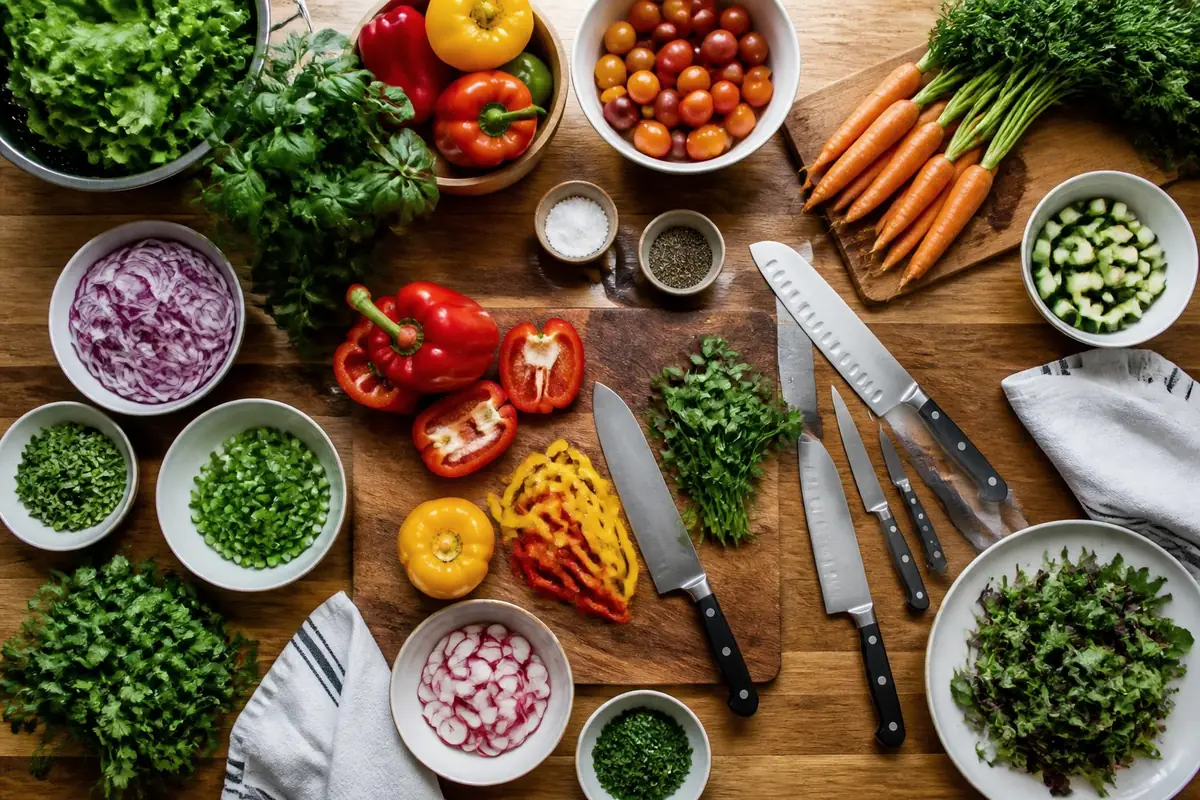
The Good Companion | Visbar
The Good Companion is een vis- en oesterbar in Amsterdam die zich richt op lokale, duurzame vis en zeevruchten, met huisgemaakte gerechten en een actieve aanwezigheid op social media.
Bekijk details
Claim uw bedrijfsprofiel
Uw bedrijf? Claim het gratis - corrigeer uw gegevens, voeg foto's en links toe. Een minuut. Lees meer
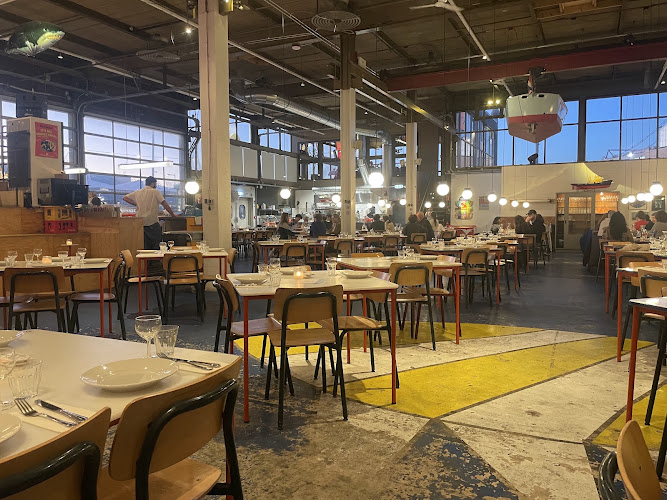
Restaurant Barracuda Amsterdam
Restaurant Barracuda Amsterdam is een visrestaurant in Amsterdam. De menukaart zet het eten, het interieur en de sfeer in de schijnwerpers, en de zaak heeft 934 Google-reviews.
Bekijk details
Claim uw bedrijfsprofiel
Uw bedrijf? Claim het gratis - corrigeer uw gegevens, voeg foto's en links toe. Een minuut. Lees meer
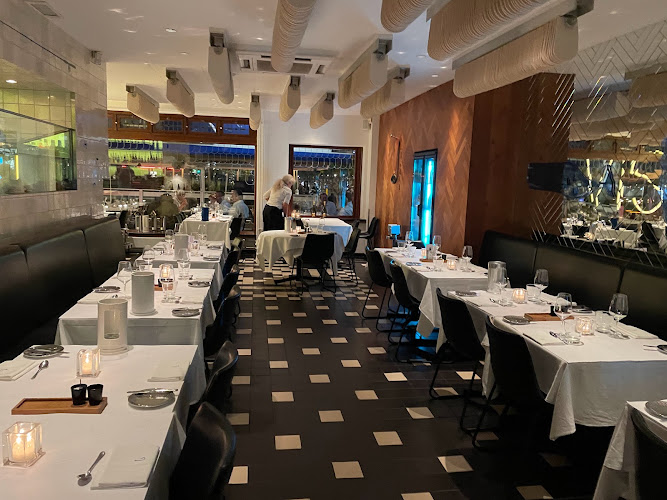
Visaandeschelde
Visaandeschelde is een visrestaurant in Amsterdam-Zuid dat al meer dan 20 jaar een vaste culinaire waarde is. De focus ligt op dagverse vis en seizoensproducten, en de 927 Google-reviews getuigen van een uitstekende reputatie in...
Bekijk details
Claim uw bedrijfsprofiel
Uw bedrijf? Claim het gratis - corrigeer uw gegevens, voeg foto's en links toe. Een minuut. Lees meer
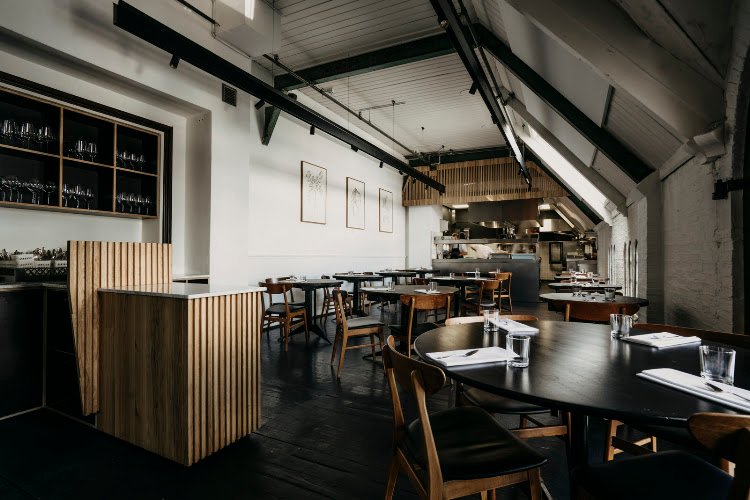
BAK | Fine dining Restaurant Amsterdam
BAK is een fine dining restaurant in de Amsterdamse Houthavens, met Nederlandse gerechten en de nadruk op vis, geopend voor lunch en diner. Gasten kunnen kiezen voor een proeverijmenu of à la carte, en vooraf...
Bekijk details
Claim uw bedrijfsprofiel
Uw bedrijf? Claim het gratis - corrigeer uw gegevens, voeg foto's en links toe. Een minuut. Lees meer
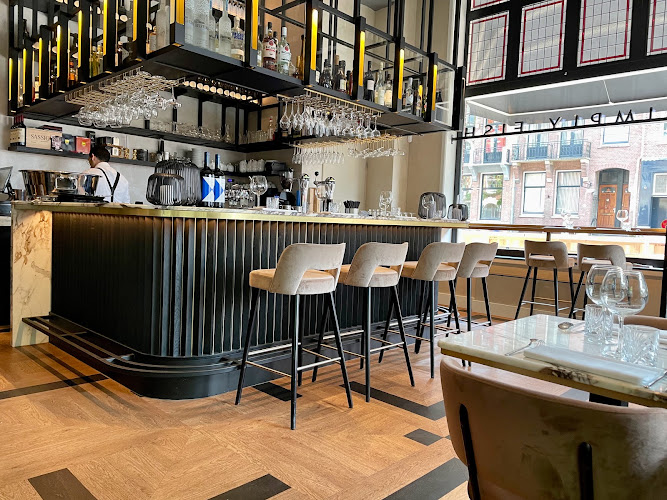
Simply Fish
Simply Fish in Amsterdam draait helemaal om vis en zeevruchten. Ze hebben flink wat recensies en zijn actief op Facebook en Instagram.
Bekijk details
Claim uw bedrijfsprofiel
Uw bedrijf? Claim het gratis - corrigeer uw gegevens, voeg foto's en links toe. Een minuut. Lees meer
![Top [count] Travel Blogs to Follow - OnToplist.com](https://www.ontoplist.com/images/ontoplist31.png?id=6a8dcf108f478)