
Top Amsterdam Medical Spas
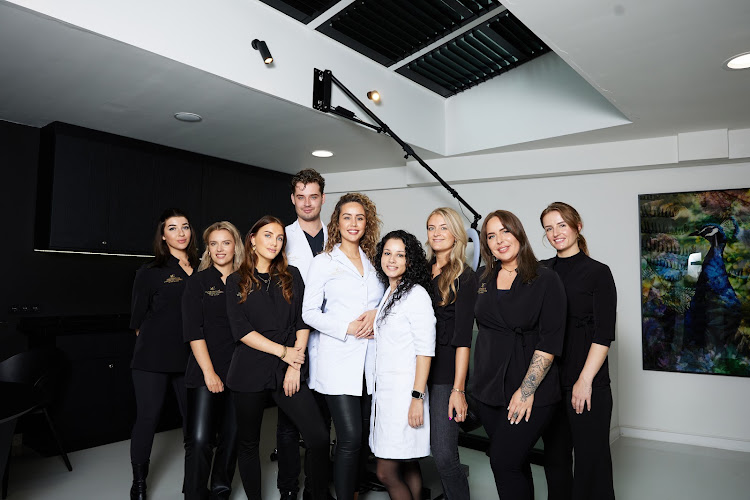

Amsterdam Cosmetic Clinic
Essentially Amsterdam Reader's Choice 2026
Amsterdam Cosmetic Clinic in Amsterdam combines beauty services with medical-clinic care. It has a strong review profile, with 430 Google reviews and a high five-star share, and it is active on Facebook.
View Details
Claim this listing
Your business? Claim it free - fix your details, add photos and links. One minute. Read more
Delia Skin Clinic
Delia Skin Clinic in Purmerend focuses on skincare and beauty treatments, with a strong review profile behind it. The clinic has more than 250 Google reviews and is active on Facebook and Instagram.
View Details
Claim this listing
Your business? Claim it free - fix your details, add photos and links. One minute. Read more
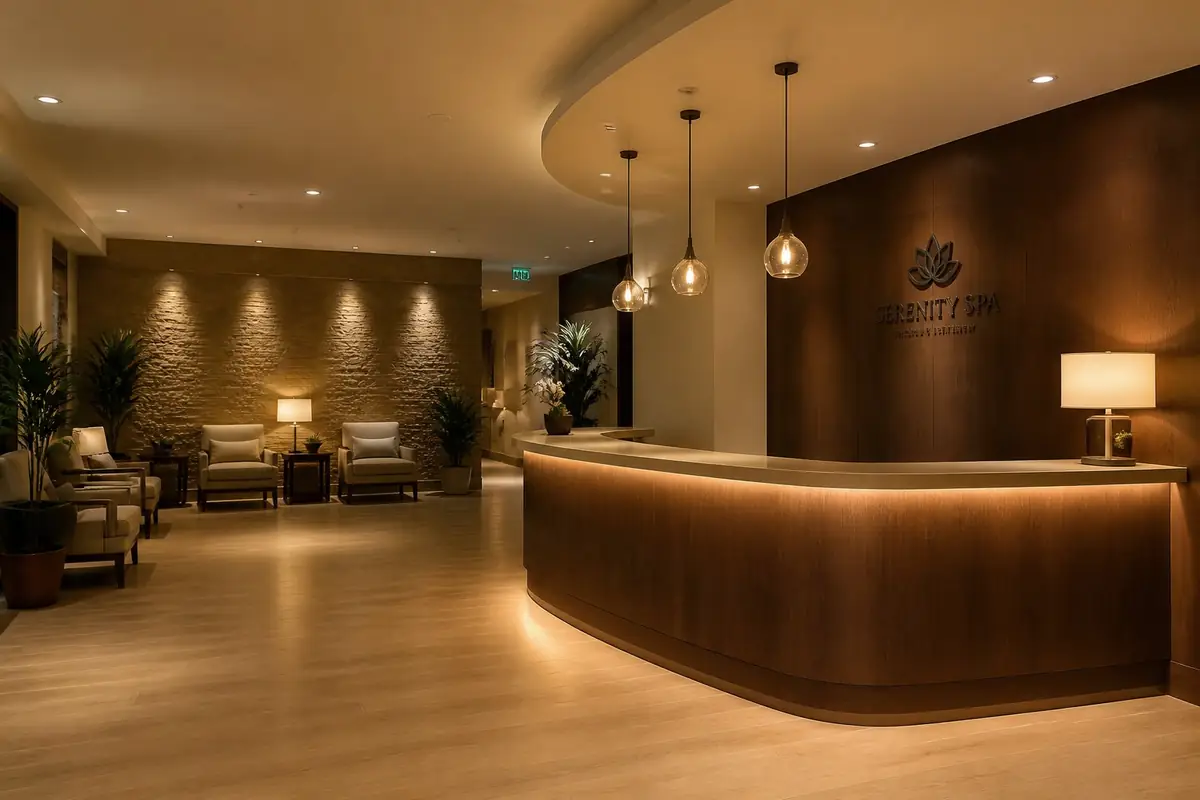
De Huidkliniek Amsterdam West
De Huidkliniek Amsterdam West focuses on skin care, cosmetic treatments and electrolysis hair removal, with personal consultations for advice on products, treatments and skin conditions. It has a strong local reputation, with 248 Google reviews...
View Details
Claim this listing
Your business? Claim it free - fix your details, add photos and links. One minute. Read more
Beauty Clinic Lotus
Beauty Clinic Lotus in Amsterdam focuses on ZO Skin Health MediSpa facial treatments and has 230 Google reviews, with 81% five-star ratings.
View Details
Claim this listing
Your business? Claim it free - fix your details, add photos and links. One minute. Read more
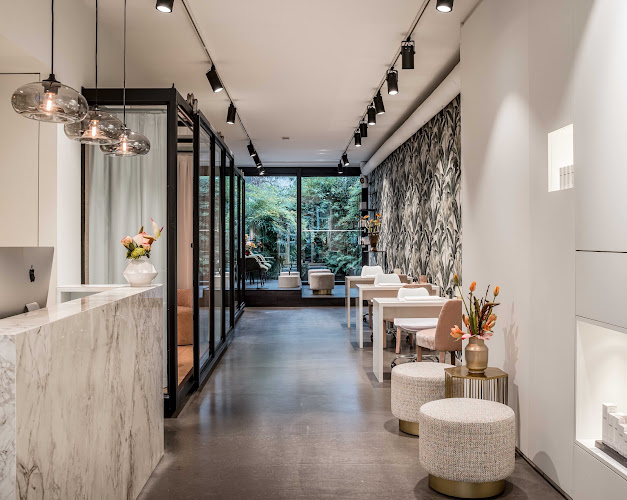
Dermathority
Dermathority in Amsterdam’s Jordaan specialises in EMSculpt treatments for muscle building and fat reduction. The salon has nearly 200 Google reviews, a high five-star share, and is active on Facebook and Instagram.
View Details
Claim this listing
Your business? Claim it free - fix your details, add photos and links. One minute. Read more

AD Amsterdam Huidkliniek
AD Amsterdam Huidkliniek in Amsterdam specialises in skin care, beauty treatments and beauty training. With 196 Google reviews, it is one of the busier clinics in the area and is active on Facebook and Instagram.
View Details
Claim this listing
Your business? Claim it free - fix your details, add photos and links. One minute. Read more

Joya Skin Clinic
Joya Skin Clinic in Almere offers PMU, laser hair removal, nail services and eyebrow shaping. The clinic highlights semi-permanent make-up and skin advice, and it has 181 Google reviews with a 98% five-star rating. It...
View Details
Claim this listing
Your business? Claim it free - fix your details, add photos and links. One minute. Read more

Care Clinic Cosmetic Surgery
Care Clinic Cosmetic Surgery in Barendrecht richt zich op cosmetische chirurgie, met borstbehandelingen als duidelijk speerpunt. De praktijk heeft veel Google-recensies en een grotendeels positieve beoordeling.
View Details
Claim this listing
Your business? Claim it free - fix your details, add photos and links. One minute. Read more
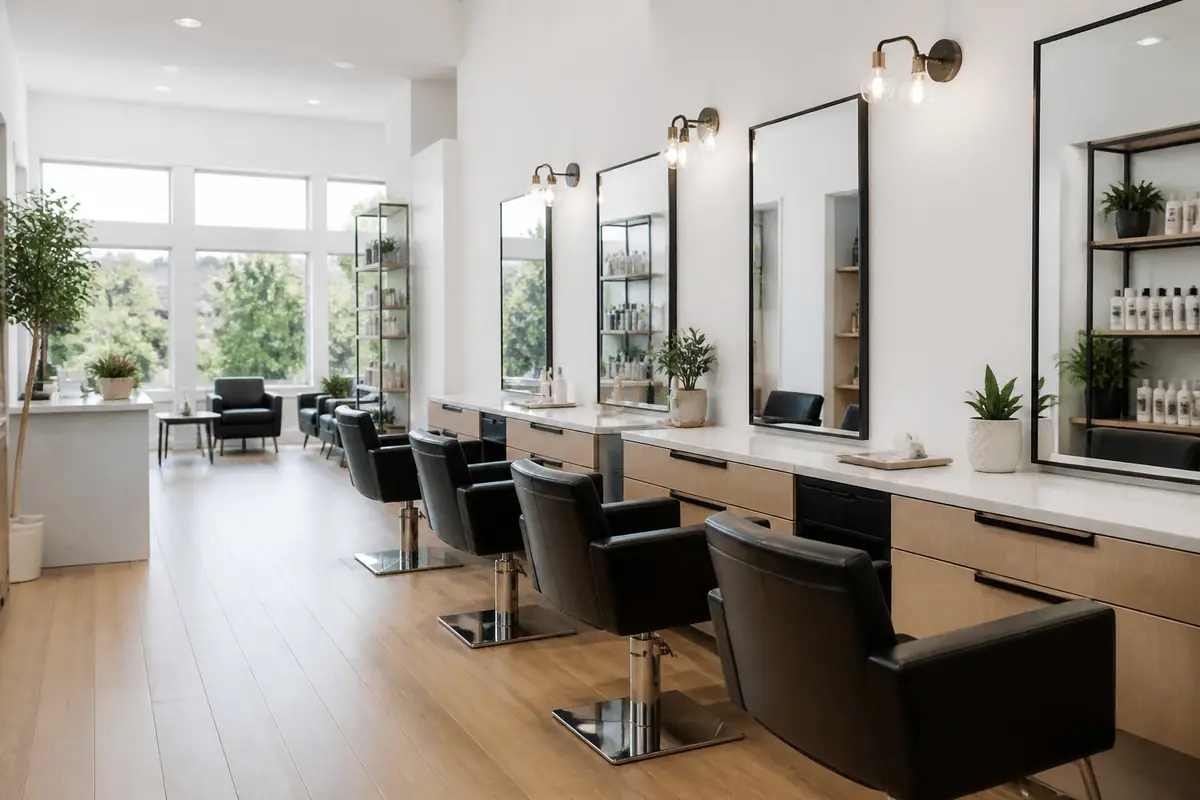
Clear Skin Clinic
Clear Skin Clinic in Amsterdam specialises in skin care, with a strong reputation from over 100 Google reviews.
View Details
Claim this listing
Your business? Claim it free - fix your details, add photos and links. One minute. Read more
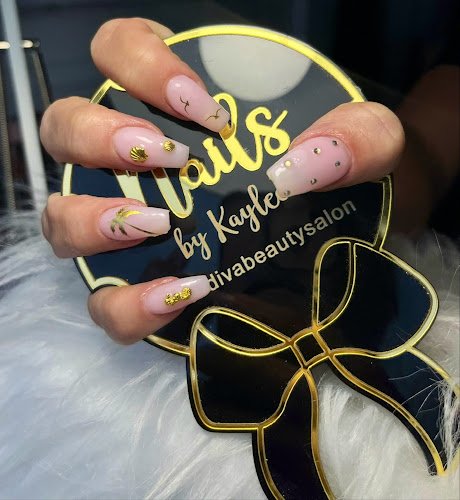
The Diva Beauty clinic
The Diva Beauty clinic in Amsterdam offers beauty treatments, including skincare, lash services and hair extensions. The salon has 95 Google reviews, with 83% five-star, and is active on Facebook and Instagram.
View Details
Claim this listing
Your business? Claim it free - fix your details, add photos and links. One minute. Read more
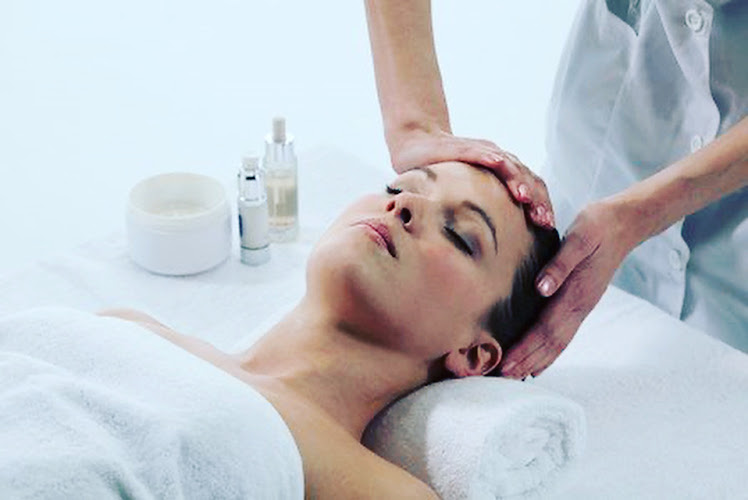
Estefania Esthetic
Estefania Esthetic in Amsterdam focuses on facials and other beauty services, including eyelash care and beauty supplies. It has 87 Google reviews, 94% five-star ratings, and shares work on Instagram.
View Details
Claim this listing
Your business? Claim it free - fix your details, add photos and links. One minute. Read more
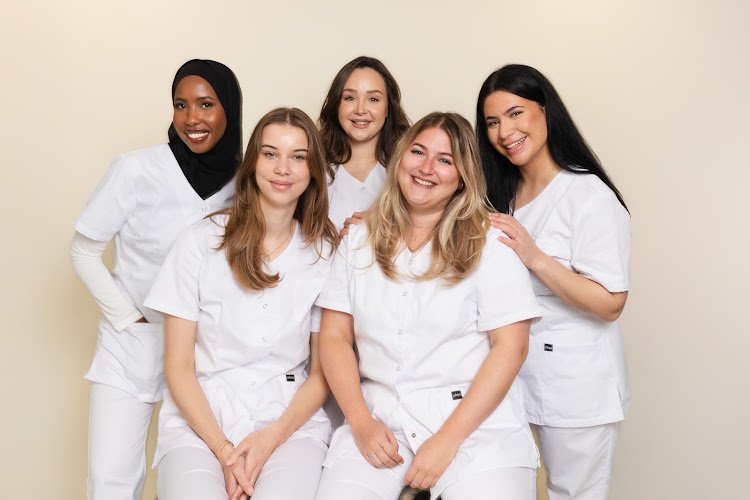
Hairless Laser Clinics
Hairless Laser Clinics provides laser hair removal in Alkmaar and has 84 Google reviews. The clinic is active on Facebook, Instagram and LinkedIn.
View Details
Claim this listing
Your business? Claim it free - fix your details, add photos and links. One minute. Read more
![Top [count] Travel Blogs to Follow - OnToplist.com](https://www.ontoplist.com/images/ontoplist31.png?id=6a8dcf108f478)