Moving to the Netherlands? There’s a lot to figure out, and getting on the road is a big one. Whether you already have a valid license from back home or you’re starting from scratch, the way to a Dutch driving license (or rijbewijs, as everyone calls it here) depends on your nationality, your visa, and how long you plan to stick around.
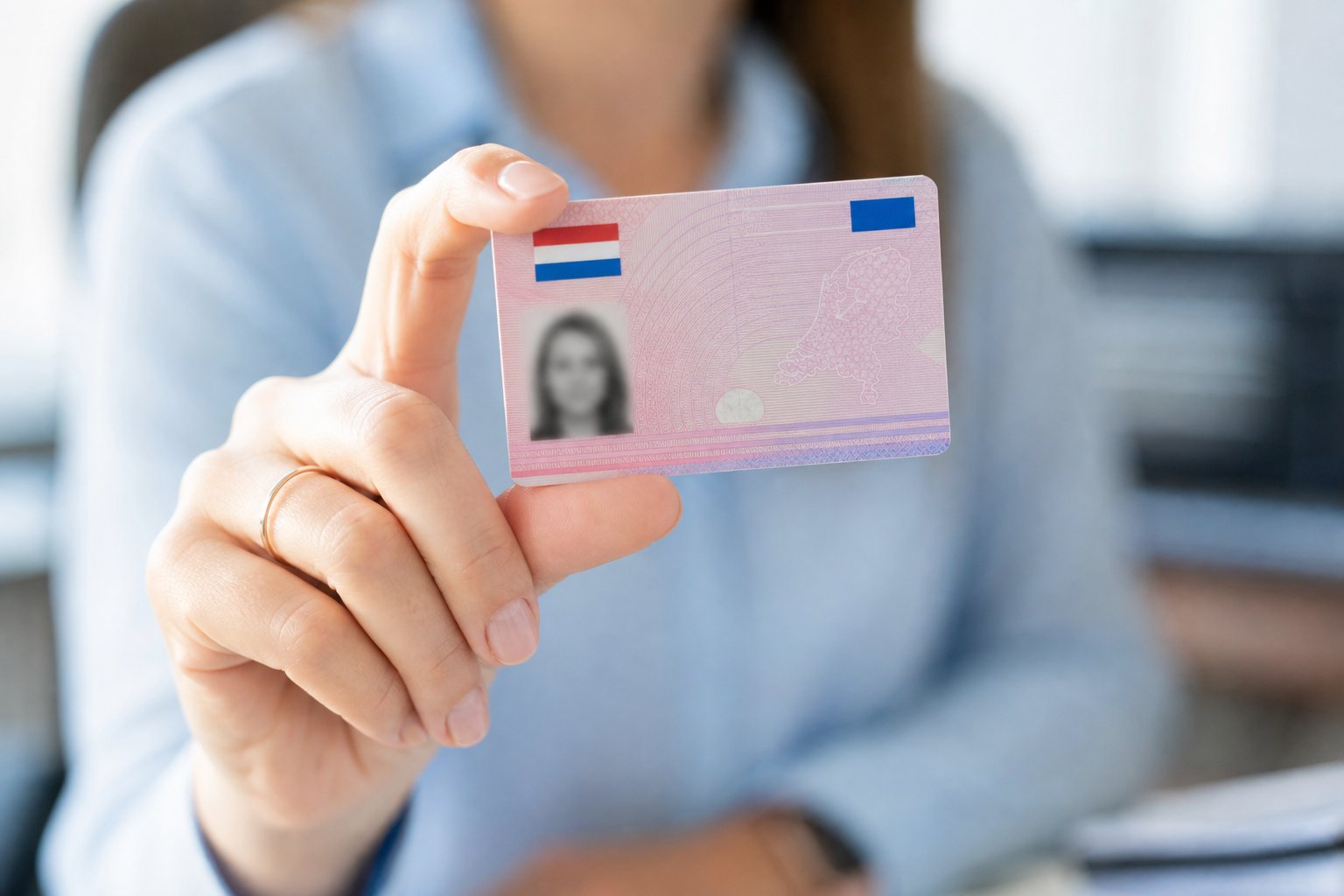
Driving in the Netherlands can feel strange—even if you’ve been driving forever. The priority roads, turbo-roundabouts, fearless cyclists, and those narrow city streets create a vibe that’s nothing like the U.S. Your foreign license might work for a while, but sooner or later, you’ll need a Dutch driving licence to keep driving legally.
This guide breaks down every situation: using your current license for now, exchanging it (if you’re lucky), or going through the full theory and practical tests. You’ll also see what it costs, how long it might take, and which mistakes trip up most expats. If you’re still settling into expat life in the Netherlands, sorting out your rijbewijs early will save you a lot of hassle later.
Can You Drive With Your Current Licence?
Whether you can drive in the Netherlands with your foreign license depends on two things: where your license comes from and if you’re a tourist or a registered resident.
If you hold a license from the EU or EEA, you can keep driving in the Netherlands until your license expires. When that happens, just swap it at your local gemeente for a Dutch driving licence—no exams, no extra tests. Your license needs to cover the right category for the vehicle you want to drive.
If your license is from outside the EU or EEA, things get stricter. You can legally drive for 185 days after registering in the Netherlands. After that, your foreign license loses its validity here. Tourists who aren’t registered residents can drive on their foreign license for the whole visit, but if your license doesn’t show standard A through E categories, pair it with an international driving permit.
That 185-day window trips up a lot of American expats. It sounds like plenty of time, but exchanging or getting a rijbewijs can drag on for weeks or even months. The RDW (that’s the national vehicle and driving license authority) handles everything through your municipality, and delays happen more often than you’d hope. Start as soon as you can. In the meantime, most expats get by with public transport and a personal OV card or by renting a bike in Amsterdam while they sort out their license.
How To Exchange A Foreign Licence
Only some non-EU license holders can exchange their license directly, and you need to gather a bunch of documents, submit a health declaration, and hand over your original license to the RDW.
Not everyone gets to skip the exams. You can exchange your foreign license for a Dutch driving license if you fit into one of two groups. The first group is holders of the 30% ruling for highly skilled migrants. If you have this tax break, you can exchange your license at your local municipality within 185 days of registering. Your partner who moved with you under the same ruling also qualifies.
The second group includes people with licenses from countries that have special agreements with the Netherlands: the UK, Japan, South Korea, Singapore, Israel, and the Canadian provinces of Quebec and Alberta. Sadly, American licenses don’t make the cut for a direct exchange.
To start the exchange, go to your gemeente with a color passport photo, your valid foreign license, your passport, your Dutch residence permit, and your 30% ruling notification if you have it. Before your appointment, fill in a verklaring van geschiktheid (health declaration) through the CBR. This checks that you’re medically fit to drive.
Your gemeente will send everything to the RDW for approval.
If you get approved, you’ll receive a letter in about 10 days telling you when to pick up your new rijbewijs. Heads up: your foreign license gets sent back to the country that issued it, and you won’t get it back. The exchange fee depends on your municipality but usually sits between €40 and €50, plus the health declaration cost.
Getting Licensed Through Dutch Exams
If you can’t exchange your license, you’ll need to pass both a theory exam and a practical driving test from the CBR (Centraal Bureau Rijvaardigheidsbewijzen, or Central Office for Motor Vehicle Driver Testing). The whole process usually costs somewhere between €2,500 and €3,500, and it takes about two to six months.
Start by finding a good rijschool (that’s a Dutch driving school). Not all schools are the same, so check out their pass rates and see if the instructors speak English. A solid rijschool will adjust your lessons to match your experience. If you’ve driven for years, you probably won’t need the average 43 hours of lessons that first-time Dutch drivers take, but expect at least 15 to 25 hours. You can compare schools on review platforms.
The Dutch theory exam happens at the CBR and has 50 multiple-choice questions with an 88% pass mark. It covers traffic rules, hazard perception, and “traffic insight”—basically, reading the road and predicting what others might do. You can take the test in English. Study hard; the questions can be tricky, especially when it comes to Dutch quirks like priority from the right and zero emission zones.
The practical exam lasts about 55 minutes. You’ll drive a CBR exam car, with your instructor sitting in the back. The route goes through real traffic—highways, city streets, and residential neighborhoods.
When you pass both exams, you can apply for your rijbewijs at your local gemeente. Usually, you’ll get it within a week.
Costs, Timelines, And Common Mistakes
Most expats end up spending between €2,500 and €3,500 for the whole process. People often underestimate the time it takes or skip proper preparation, and those two things usually lead to failing or overspending.
You’ll pay about €47 each time you take the CBR theory exam. The practical exam costs somewhere between €130 and €230, depending on when you book it.
Driving lessons at a rijschool usually run €45 to €70 per hour. Even if you already have experience, you’ll probably need 15 to 25 hours of lessons.
There’s also a health declaration fee (around €40), plus a passport photo and municipality processing charges. These little things add up fast.
For the timeline, expect the whole thing to take anywhere from two to six months, starting from your first lesson to finally getting your rijbewijs. CBR exam slots can fill up weeks ahead, especially in spring and summer.
If you start within your first month of registering, you give yourself the best shot at staying legal during the 185-day window.
Plenty of experienced drivers still make common mistakes. Some expats skip studying for the theory test because they figure years behind the wheel is enough. But Dutch road rules have their own quirks—like priority from the right at unmarked intersections, turbo-roundabouts, and strict rules about cyclists and trams.
Others pick the cheapest rijschool without checking if the instructor is RDW-registered or looking at pass rates. That can waste both your time and money.
Here’s something people don’t always think about: don’t let your foreign license expire before you finish the process. If you lose your only valid license while you’re still applying, the paperwork headache just gets worse.
Meanwhile, it might be worth getting familiar with owning a car in the Netherlands or checking out the cost of living in Amsterdam. That way, you can plan your transportation budget with fewer surprises.