King’s Day crowds are not spread evenly across Amsterdam, and the difference between a good day and an unbearable one is usually about two kilometres.
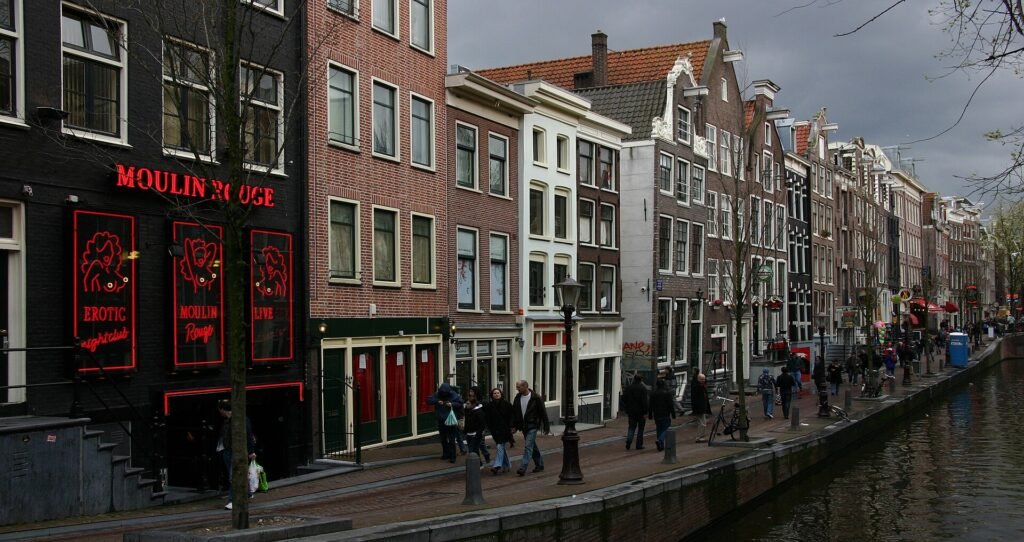
The crush is concentrated in a small area: Dam Square, Leidseplein, Rembrandtplein and the stretch of canal between them.
Step outside that and the holiday is still fully happening, at a density you can walk through.
The Areas That Stay Manageable
The outer Jordaan, away from the Prinsengracht and towards the Lindengracht and Westerstraat, keeps the street market and the singing and loses most of the visitors.
De Pijp runs a proper neighbourhood party on its own streets rather than a destination one, which means the crowd is largely people who live there.
Amsterdam-Oost is the most underrated of them, with Watergraafsmeer and the Bredeweg holding organised music and market stalls at a scale where you can still get a table.
Amsterdam-Noord has the ferry working in its favour: crossing the IJ takes four minutes and removes the great majority of the crowd, and the NDSM yard has more open ground than anywhere central.
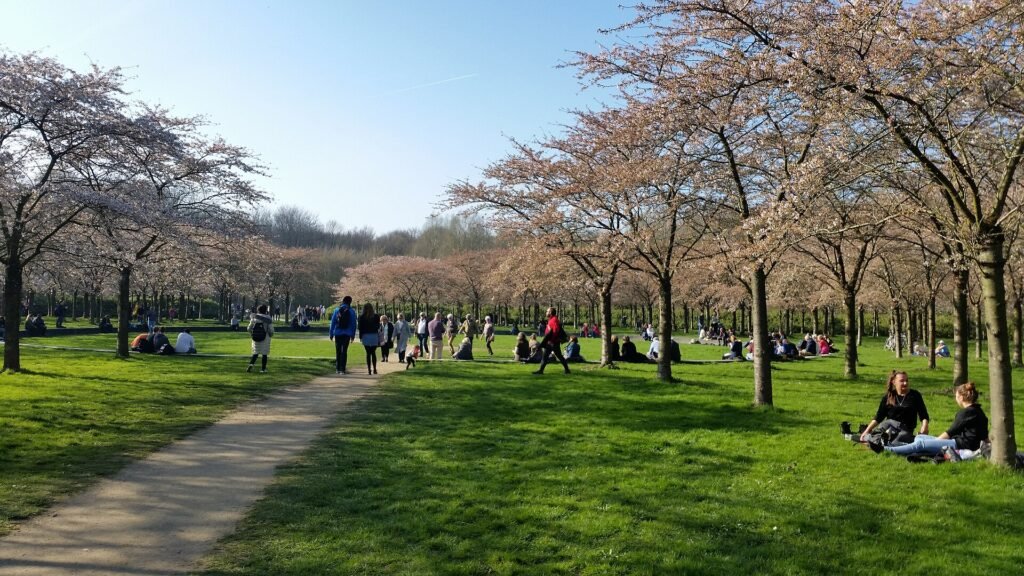
Vondelpark is busy but never claustrophobic, because the children’s market spreads across grass rather than filling a street, and it is the right answer with young children.
Amstelveld, the small square around the wooden Amstelkerk in the southern canal ring, is the quietest central option and draws a noticeably older crowd.
Westerpark works the same way as Vondelpark, with the added advantage that the Westergas complex behind it has indoor space if the weather turns.
Timing Matters As Much As Location
Peak density runs from about midday to five in the afternoon, and that is when moving across the centre stops being possible.
Between seven and ten in the morning the vrijmarkt is setting up and the streets are calm, and that is both the best time to buy anything and the only time you will get a canal-side table.
After five the crowd thins quickly as families leave, and the early evening is a genuinely pleasant hour in areas that were impassable at two.
King’s Night on the evening before is busy but distributed across bars and venues rather than packed into streets, so it feels manageable in a way the following afternoon does not.
The practical shape of a good King’s Day is an early start, a long lunch somewhere with a chair, and a return to the streets after five.
Festive But Lower Volume
You do not have to choose between the crush and staying in.
Amstelveld holds a music and market scene around the Amstelkerk that is festive without being loud, and it is five minutes from Rembrandtplein and a different world.
Reguliersdwarsstraat runs the city’s most inclusive parties, busy but good-natured and easier to leave than the main squares.
Westerpark and Oosterpark both host stages and food stalls on open grass, which is a fundamentally different experience from a stage on a street.
Vondelpark’s children’s market is the calmest thing in the centre and is worth seeing even without children, since the rule that only children may sell produces an unusually good-tempered crowd.
Across the IJ, NDSM has the space and the industrial setting, and the ferry ride is itself a break from the day.
Boats, Markets And Street Parties Without The Crush
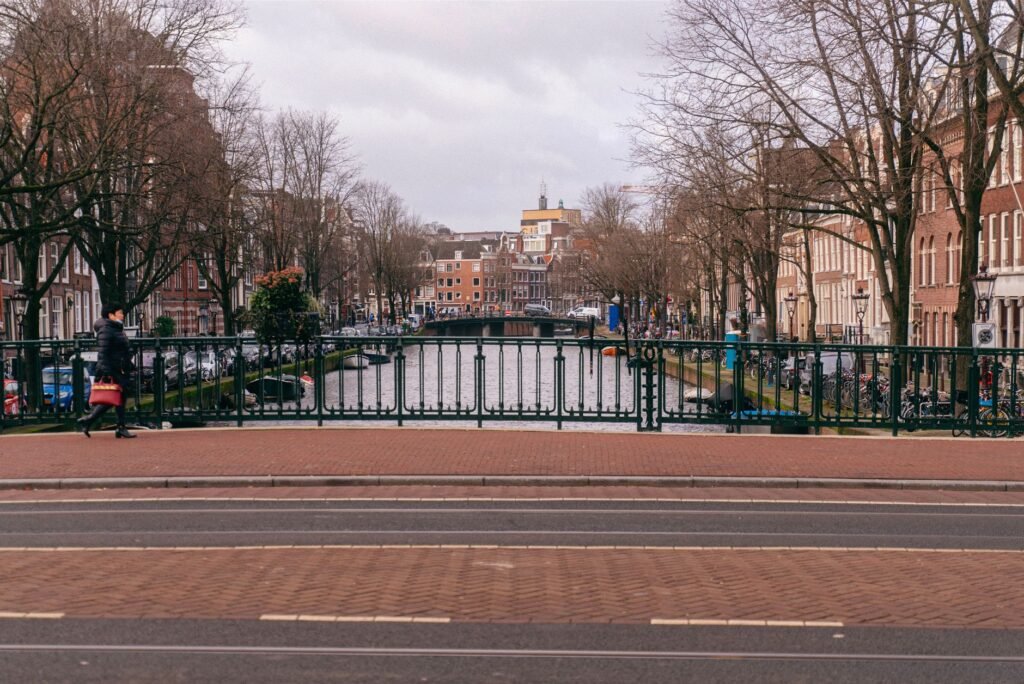
The canals gridlock by early afternoon, with boats moving slower than the people on the bank.
If you want to be on the water, book three to four weeks ahead and take an early-morning or evening slot rather than the middle of the day.
Small private electric boats go first and are the ones worth having, since a crowded party boat on a gridlocked canal is the same crush with less exit.
For the vrijmarkt, De Baarsjes and Oud-West are where locals sell to locals, and the goods are better and the prices lower than anything in the centre.
Bring cash in small notes, because almost nobody on a blanket takes a card.
The rule that makes the whole day work is to pick one area before midday and stay in it, because crossing the centre in the afternoon can take an hour to cover a kilometre.
Day Trips Out Of The City
Haarlem is fifteen minutes by train and runs its own full King’s Day, spread across several neighbourhoods rather than concentrated in one centre, which is exactly why it does not feel packed.
Amstelveen is half an hour by tram or bus and holds large free markets along Amsterdamseweg, with a café scene that stays sittable all day.
Edam and Volendam give you the village version, with traditional games and a community market rather than sound systems.
Utrecht and Leiden are both under half an hour by train and both celebrate properly, with canals of their own and far more room on them.
Check the NS timetable the night before, since train services and platforms change for the day and the returns in the evening are heavily loaded.
Frequently Asked Questions
How crowded does Amsterdam actually get, and when?
Around a million people are in the city, but the density is concentrated between Dam Square, Leidseplein and Rembrandtplein and along the inner canals.
Midday to five is the peak, and early morning and after five are comfortable almost everywhere.
Which neighbourhoods are quietest?
Amsterdam-Oost around Watergraafsmeer, Noord around NDSM, the outer Jordaan, De Baarsjes and Oud-West all keep the holiday and lose the crowd.
Amstelveld in the southern canal ring is the quietest option that is still genuinely central.
Where should I go with children?
Vondelpark, where the children’s market means the sellers are all children and the music is turned down accordingly.
Westerpark is the alternative if you want open grass and food stalls with less foot traffic than Vondelpark gets.
What are the best day trips?
Haarlem at fifteen minutes by train is the easiest and the closest to Amsterdam in character.
Utrecht and Leiden are under half an hour and both worth the trip; Edam and Volendam are the quieter, more traditional option.
How do I get around on the day?
GVB runs to a Saturday timetable with several tram routes diverted, so services exist but the crowds slow everything in the centre.
Avoid Centraal at peak times and use Amstel, Sloterdijk or Zuid instead, and plan to walk the last part of any journey.
What closes, and what should I bring?
Most shops in the centre are shut, so buy what you need the day before.
Bring cash in small notes for the vrijmarkt, a refillable bottle, and a zipped bag worn across the body, since the dense crowds attract pickpockets.