The mistake with visiting parents is building the itinerary you would do yourself and then adding rest stops to it.
What works is the opposite: pick one anchor per day, make the walking between things short and flat, and let everything else be optional.
Below is what to book ahead, which museum to choose rather than which museums to do, and where to eat without a forty-minute wait.
Start With The Things That Always Work
A canal cruise on the first morning does more than anything else, because it shows the whole shape of the city from a seat.
Those Dam Boat Guys on Prinsenstraat run small open boats with live commentary rather than a recorded track, which is the version that suits a conversation.
Go early or late in the day; the middle is when the canals are busiest and the commentary competes with everyone else’s sound system.
Museumplein puts three of the largest institutions within a two-minute walk of each other, which means you can do one and sit in the square rather than crossing the city twice.
The Rijksmuseum on Museumstraat opens at nine and the first hour is the only quiet one, and it is the right choice if either parent likes history as much as painting.
The Van Gogh Museum next door is smaller, single-subject and considerably less tiring, and it stays open until nine on Fridays, which is the calmest slot of the week.
Both sell timed tickets that go days ahead in season, so book before you fly rather than on the morning.
The Anne Frank House releases tickets online six weeks in advance and they are gone within minutes, so set a calendar reminder for the release rather than hoping.
The I amsterdam City Card at 67 euros for 24 hours covers seventy-plus museums, all GVB transport, a canal cruise and a bike, and it pays for itself only if you are doing three paid things in a day, which with visiting parents you generally are not.
Neighbourhoods That Work At Any Pace
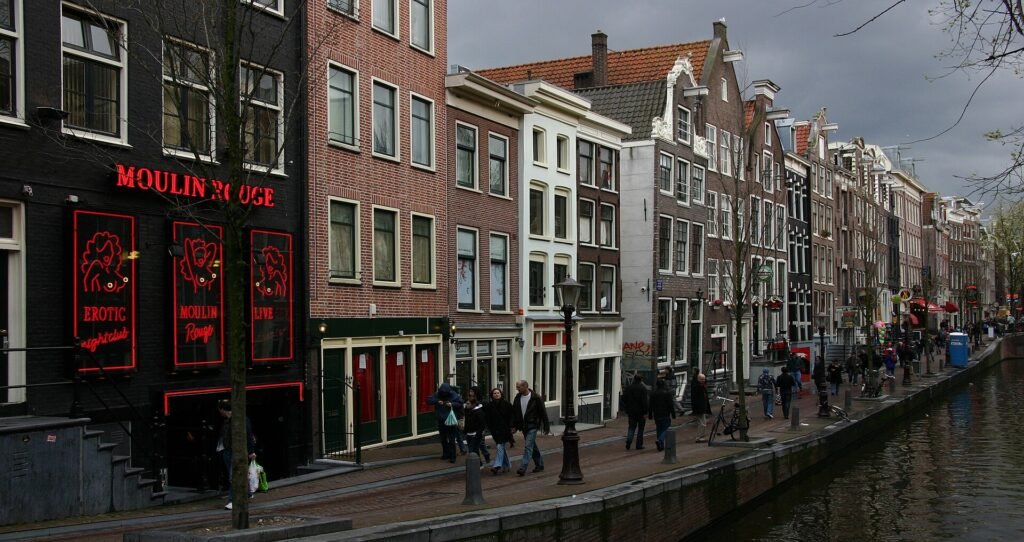
The Jordaan is flat, short-blocked and full of places to sit, which makes it the best area in the city to walk without a destination.
From the Jordaan, follow the Prinsengracht or Keizersgracht south, both of which have benches at regular intervals and no traffic to speak of.
Jordaan to Leidseplein along either canal is about twenty-five minutes at a slow pace with photo stops, and there is a café at every bridge if it needs to be forty.
Dam Square is worth ten minutes for the Royal Palace and is unpleasant after about half past ten in the morning, so do it first or not at all.
The Bloemenmarkt on the Singel is a short walk from Dam and is now essentially a souvenir row, which is fine if what you want is certified tulip bulbs to take home.
The Nine Streets between the Prinsengracht and the Singel are the best browsing in the centre and take as long as you let them.
One Museum, Chosen To Fit
Pick the one that matches an existing interest rather than working through a list, because two museums in a day is one too many for most visits.
The National Maritime Museum on Kattenburgerplein has a full-size replica East Indiaman moored outside that you can board, which lands well with people who thought they did not want a museum.
The Rembrandt House on Jodenbreestraat is the actual house, small, quiet and finished in under ninety minutes.
The NEMO Science Museum at Oosterdok is hands-on and aimed at children, but its stepped roof is free to walk up and gives the best open view of the old city.
The Stedelijk on Museumplein is the modern and contemporary one, and the EYE Filmmuseum across the IJ is worth the ferry for the building and the waterfront café even if the programme does not appeal.
Micropia, inside the Artis zoo complex on Plantage Kerklaan, is a museum of microbes and is far more entertaining than that sounds.
The Wereldmuseum Amsterdam on Linnaeusstraat, which was the Tropenmuseum until it was rebranded in 2023, covers world cultures in a nineteenth-century building worth seeing on its own.
The Hortus Botanicus next door is the green alternative and the warmest indoor space in the city in winter.
Food And Markets Without The Queue
The Albert Cuyp Market in De Pijp runs Monday to Saturday from half past nine to five and is closed on Sundays and public holidays.
Go on a weekday morning, when you can actually stop at a stall rather than being carried past it, and eat a herring or a stroopwafel pressed in front of you.
On Saturdays the Noordermarkt in the Jordaan runs an organic farmers’ market that is smaller, slower and considerably more local.
Winkel 43 on the corner of the Noordermarkt opens at eight in the morning and sells the apple pie that the city argues about, in slices large enough to share.
The Amsterdam Cheese Museum at Prinsengracht 112 opens daily from nine and both entry and the tasting are free, which makes it the best-value half hour on that stretch of canal.
For a sit-down lunch, the streets around the Noordermarkt and the eastern end of the Nine Streets have kitchens that will seat two people without a booking on a weekday.
Green Space And Low-Effort Afternoons
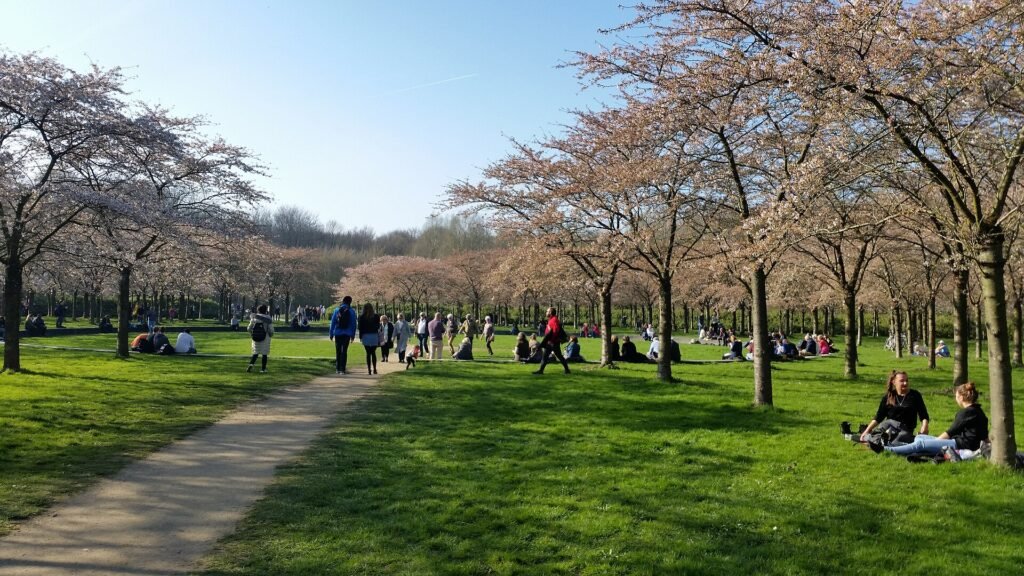
Vondelpark is flat, has benches every fifty metres and three cafés inside it, and it is the correct answer to an afternoon with no plan.
The Blauwe Theehuis in the middle of the park and the Groot Melkhuis at its eastern end both have outdoor seating and are open daily.
Amsterdamse Bos on the southern edge is three times the size of Vondelpark, with a goat farm, rowing lake and open woodland, reachable by bus or tram in about half an hour.
Artis on Plantage Kerklaan has been a zoo since 1838 and reads as a botanical garden with animals in it, with an aquarium and planetarium inside the same ticket.
The free GVB ferry from behind Centraal to NDSM takes about fifteen minutes each way, costs nothing, and is the cheapest boat trip in Amsterdam.
The shorter Buiksloterweg ferry is four minutes and lands next to the A’DAM Lookout, whose rooftop has the best view back over the city.
Frequently Asked Questions
What should I book before they arrive?
Anne Frank House the moment tickets are released six weeks ahead, and timed slots for the Rijksmuseum and Van Gogh Museum a few days out.
Everything else in this guide can be decided on the morning.
How much walking is realistic?
The centre is flat and compact, and a comfortable day is one anchor plus one neighbourhood walk of twenty to thirty minutes with stops.
Cobbles and canal bridges are the tiring part rather than distance, so plan around benches rather than kilometres.
Is the I amsterdam City Card worth it?
At 67 euros for 24 hours it needs three paid attractions plus transport in the same day to break even.
With visiting parents that pace is usually the wrong pace, so buy individual tickets instead.
Which single museum should I pick?
The Rijksmuseum if they like history, the Van Gogh Museum if they want one subject done well, and the Maritime Museum if they think they do not want a museum at all.
The Rembrandt House is the shortest of the four and the easiest on the legs.
Where do we eat without queueing?
Weekday lunch anywhere off the Nine Streets and around the Noordermarkt, and any market stall at Albert Cuyp before eleven.
Book dinner, because the good kitchens in the centre are full from seven and Dutch restaurants do not run a second sitting late.
What if it rains all week?
It usually rains in bursts rather than all day, so the working plan is an indoor anchor in the middle of the day and walks either side of it.
The ferry, the covered markets and the museum cafés all work as somewhere to be for half an hour without paying for it.