
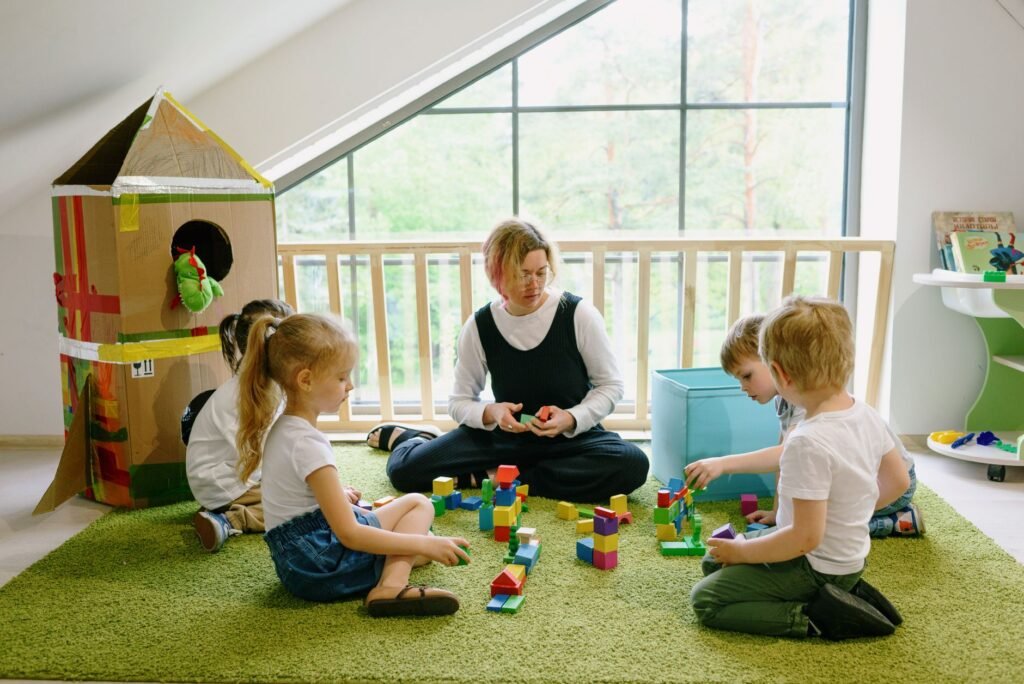
Dutch public health services are calling on daycare operators to overhaul how they handle extreme heat.
While facilities meet the legal requirement to have a official heat plan, health officials say standard company-wide rules are no longer enough as high temperatures become more frequent.
Supervisors at the GGD point out that daycare organizations typically apply a single generic policy across all their locations.
Because building layouts, sun exposure, and insulation vary, a blanket strategy fails to address specific high temperatures in individual rooms.
Custom rules for each location
Health officials argue that every facility needs a tailored approach down to the room level.
Factors such as indoor humidity, the age of the children, and clothing layers significantly alter how heat affects individuals inside a facility.
Despite the call for stricter oversight, regional health services oppose setting a fixed national maximum indoor temperature.
They maintain that fixed temperature limits are ineffective without accounting for broader indoor climate factors and specific preventative steps taken by staff.
Recognizing heat risks in toddlers
Young children face heightened risks during hot spells because their bodies regulate heat less efficiently than adults.
Researchers at Vrije Universiteit Amsterdam emphasize that staff must remain vigilant for subtle signs of heat distress, including lethargy, delayed reactions, or an elevated heart rate.
When these symptoms appear, workers must move the child out of the warm environment immediately, lower their body temperature, and provide sufficient fluids.
The warning arrives as regional facilities already face operational pressures, with many daycare centers charging above government rates to cover rising overhead costs.
Health authorities are pushing management teams to review their site plans before the next period of elevated temperatures.
They advise managers to adjust day-to-day routines based on real-time room measurements rather than general weather forecasts.
If you’re reviewing care options, read our guide to childcare in Amsterdam.



![Top [count] Travel Blogs to Follow - OnToplist.com](https://www.ontoplist.com/images/ontoplist31.png?id=6a8dcf108f478)