
Levels of nitrogen dioxide and particulate matter in Amsterdam have halved since 2010, according to figures released by the municipality.
The improvement is largely driven by cleaner vehicles, environmental zones, and a reduction in car traffic across the city.
Residents aged 30 and older are estimated to gain 86 days in life expectancy by 2030 compared to 2025 as air quality continues to improve.
Health risks and lingering pollution
Despite steady progress over the past fifteen years, the city government stresses that air quality remains a concern.
Breathing the city air in 2024 was still equivalent to passively smoking four cigarettes a day, down from 6.2 in 2017 and 7.8 in 2011.
Life expectancy in Amsterdam remains about 11 months lower than the national average.
Dirty air is responsible for nearly 18% of childhood asthma cases in the capital and 12% of lung cancer cases among residents aged 50 and older.
Push for zero-emission transport
Traffic remains the largest local source of pollution, prompting the city to accelerate its transition away from fossil fuels.
Amsterdam already restricts older diesel vehicles and introduced zero-emission zones in January 2025 for delivery vans, trucks, mopeds, and pleasure craft.
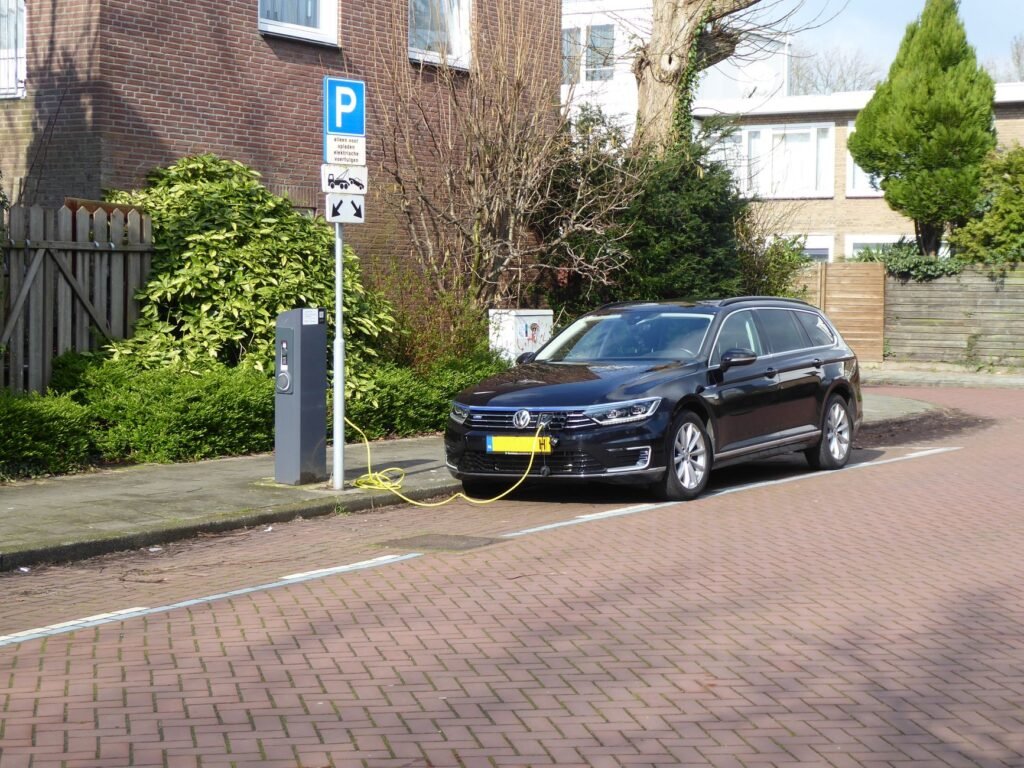
To support the shift toward electric driving, the city installed its 10,000th public charging point this week across 5,000 street posts in Amsterdam and Weesp.
Municipal plans also focus on curbing wood-burning stoves and construction equipment, with an overall target of fully emission-free mobility by 2030.
Regional action and national goals
The municipality is working alongside Schiphol Airport, regional regulators, and the port authority to reduce industrial and shipping emissions across the North Sea Canal area.
Across the country, public health institute RIVM reports that national clean air pacts are on track to extend average Dutch life expectancy by four months by 2030 compared to 2016.
The city currently meets existing European Union limits, though additional cuts will be required when stricter European air quality standards take effect in 2030.
Want to leave the car at home? Explore our guide to public transport in Amsterdam.