
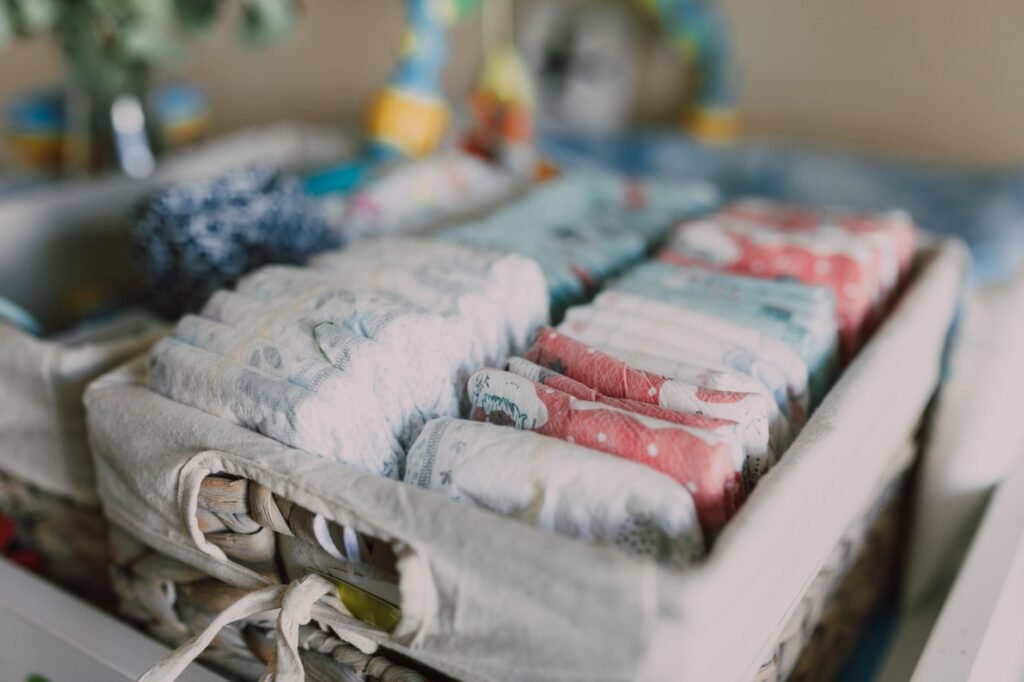
The cabinet plans to apply the polluter-pays principle to diapers and incontinence materials as part of efforts to shift to a circular economy.
Under the proposal, a mandatory return system will require at least a quarter of used diapers to be collected separately within five years.
Manufacturers will have to set up a national collection network, allowing specialised waste processing firms to recover plastics and cellulose.
However, suppliers and manufacturers warn the measure could cost young families and elderly people hundreds of euros each year.
Industry body EDANA argues the proposed diaper levy comes much too early, noting that recycling technology remains underdeveloped.
The group estimates that a central drop-off system could cost young families up to 109 euros annually, while doorstep collection could reach 600 euros per household each year.
Concerns over medical use and rising costs
Michiel van Campen of Nefemed, an association representing manufacturers and importers of medical devices, is calling for an exemption for medical diapers.
He questioned whether residents dealing with incontinence at home should be expected to carry used pads to collection points.
Van Campen also warned that mandatory recycling could increase costs by 143 euros to 455 euros per adult each year in care institutions.
Because care providers work with fixed budgets, he cautioned that facilities might face situations where individuals reach daily rations and cannot receive clean supplies.
The Advisory Council on Regulatory Burden (ATR) also recommended against introducing a mandatory recycling requirement, citing low demand for recycled diaper materials.
The council suggested alternative measures instead, such as educating parents on earlier potty training for young children.
People in the Netherlands use about 1 billion baby and child diapers and another 500 million adult incontinence products each year.
Together they account for around 400 million kilograms of waste annually, most of which is currently incinerated.



![Top [count] Travel Blogs to Follow - OnToplist.com](https://www.ontoplist.com/images/ontoplist31.png?id=6a8dcf108f478)