
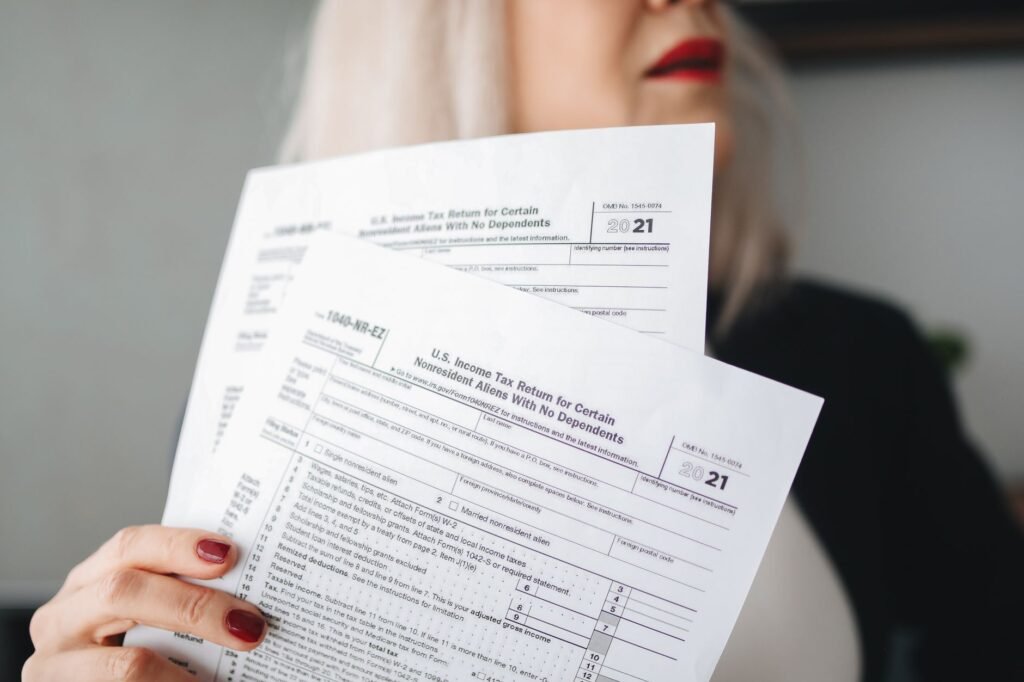
Your BSN - burgerservicenummer - is the nine-digit citizen service number the Netherlands issues when you register, and almost nothing official happens without it.
No BSN means no salary, no health insurance, no bank account and no DigiD.
You get it by registering your address, not by applying for it separately, which is the part that catches most people out.
This guide covers the appointment, the documents, the short-stay alternative, and what the number unlocks once you have it.
If you want the wider sequence, the moving to the Netherlands checklist puts the BSN in order alongside everything else.
How To Get Your BSN Step By Step
The BSN is issued when you are entered into the Basisregistratie Personen, the municipal personal records database.
Non-EU nationals need their residence permit route settled with the IND first; EU citizens can register directly.
Book an appointment at the gemeente for your new address, searching the municipality’s site for “inschrijven vanuit het buitenland” or “first registration from abroad”.
In Amsterdam, Rotterdam and Utrecht these slots go quickly, so book before you fly rather than after you land.
Bring originals, not copies.
You need a valid passport or EU ID card, your original birth certificate - legalised or apostilled if it was issued outside the EU - a signed rental contract or other proof of address, and a marriage or partnership certificate if a partner is registering with you.
The document that trips people up is the toestemmingsverklaring: if you are not the main tenant or owner, the person who is must sign a written statement allowing you to register at that address.
Ask your landlord for it in the same conversation as the contract, because chasing it afterwards costs weeks.
At the appointment an official checks your ID, reviews the documents and enters you into the BRP.
Most municipalities hand you the BSN on a registration letter before you leave; some post it within a few days.
If your residence permit route is not yet settled, sort that before booking anything.
Resident Registration Vs RNI For Short Stays
Staying longer than four months means full BRP registration at your gemeente.
Staying less than that but still working or paying tax here puts you in the RNI - Registratie Niet-Ingezetenen, the non-residents records database.
RNI registration issues a BSN without a Dutch address or rental contract, on a valid passport or EU ID alone.
Only a minority of municipalities run an RNI desk, Amsterdam, The Hague, Utrecht and Almere among them, and you book the appointment the same way.
The limitation is real: RNI gives you a number, not a registered Dutch home address, so anything that requires a residential address stays out of reach.
Cross the four-month line and you must complete full BRP registration at your local gemeente.
Your BSN does not change when you do; it simply moves from the non-residents database to the residents’ one.
What Your Number Unlocks After Registration
DigiD comes first, because everything else in Dutch officialdom logs in through it.
You apply online with your BSN and an activation code arrives by post at your registered address, so DigiD is one more reason not to leave registration late.
Once you have it, the Dutch tax system and every benefit application open up.
A Dutch bank account is next, and banks will not process the application without the BSN.
Without a local account, getting paid and paying rent both become awkward - the banking in the Netherlands guide compares the options.
Health insurance is mandatory for anyone living or working here, and your insurer asks for the BSN at sign-up.
Once insured, check whether you qualify for zorgtoeslag, the allowance that offsets the monthly premium - the health insurance guide covers choosing a plan.
Your employer needs the BSN to run payroll and apply the right tax code.
Until they have it you are taxed at the highest rate, and the correction only comes later.
The salary and payslip guide shows how to check that the deductions on your first payslip are right.
Common Issues, Older Terms, And Where To Find It
If someone who moved here decades ago mentions a “sofi number”, that is the same thing under its old name - sociaal-fiscaal nummer.
The BSN replaced it in 2007, and existing sofi numbers simply became BSNs.
Your BSN appears on the registration letter from the gemeente, and on Dutch passports, ID cards and driving licences.
With DigiD you can also read it in the MijnOverheid portal.
Lost it during the move?
Your municipality can look it up from your ID at the counter.
Treat the number as sensitive: employers, government bodies, healthcare providers, banks and insurers have a legal basis to ask for it, and almost nobody else does.
A shop, a gym or a landlord asking for your BSN is not entitled to it.
If you suspect misuse, raise it with the gemeente or a Dutch lawyer.
Frequently Asked Questions
What is a BSN and what is it used for in the Netherlands?
It is your unique citizen service number, used for tax, healthcare, employment, banking and benefits.
Any dealing with a Dutch government body runs on it.
Who needs a BSN when moving to the Netherlands (EU and non-EU citizens)?
Anyone living or working here, regardless of nationality.
EU citizens register directly at the gemeente; non-EU citizens usually need the IND residence permit route settled first.
Even a stay under four months requires a BSN through the RNI if you are working.
What are the steps to obtain a BSN after arriving in the Netherlands?
Book a gemeente appointment, bring your passport, original birth certificate and signed rental contract, and attend in person.
The official registers you in the BRP and issues the BSN, usually on the spot.
Can you apply for a BSN online, or is an in-person appointment required?
The registration itself has to happen in person, because your original documents are checked physically.
Only the appointment booking is online.
What is the official format of a BSN and how can you recognize a valid number?
A BSN is always nine digits and satisfies a checksum known as the eleven test.
Each digit is multiplied by a fixed weight, the results are summed, and a valid number divides cleanly by eleven.
What should you do if you lose your BSN or cannot find it in your records?
Go to the gemeente where you registered with your passport or ID card and they will retrieve it from the BRP.
Failing that, check any Dutch identity document issued since you registered - a driving licence, passport or ID card all carry it.
![Top [count] Travel Blogs to Follow - OnToplist.com](https://www.ontoplist.com/images/ontoplist31.png?id=6a8dcf108f478)