The order you do things in decides whether the move takes three weeks or three months.
Visa and housing come before you fly; gemeente registration, BSN, DigiD, bank account and insurance all come after, and each one blocks the next.
This checklist runs in that order, from the first embassy appointment to the utilities and the language classes.
For what life actually looks like once the admin is done, see the guide to expat life in the Netherlands.
Sort Your Visa, Residence Permit, and Documents First
Everything else depends on having legal permission to stay, so this is genuinely first.
A US passport gets you 90 visa-free days as a visitor, which is not permission to work or to register as a resident.
If you are going self-employed, the DAFT route under the Dutch American Friendship Treaty lets US nationals apply for a self-employment residence permit against an investment of roughly €4,500 held in a Dutch business account.
The freelancing in the Netherlands guide covers how DAFT holders structure the business afterwards.
If you are moving for a job, your employer sponsors the application, either as a recognised sponsor for the highly skilled migrant permit or through the combined permit, the GVVA.
Nationals who need an MVV entry visa apply at the Dutch embassy or consulate before travelling; the Netherlands Worldwide relocation checklist sets out the paperwork.
Processing runs from a couple of weeks for recognised sponsors to several months for family routes.
Before you leave, get your birth certificate, marriage certificate and diplomas legalised or apostilled, and check your passport has at least six months left on it.
Do this in your home country: arranging an apostille from abroad is slow and occasionally impossible.
Pets need an EU health certificate issued by a USDA-accredited vet within ten days of departure, and that ten-day window is strict.
The residence permit guide covers permit types and timelines in full.
Secure Housing Before and Right After Arrival
Start the housing search months out, because in Amsterdam and the other big cities it is the step that fails.
Pararius and HousingAnywhere carry the strongest English-language rental listings, Huurwoningen aggregates nationally, and Funda is mostly for buying.
Landlords in Amsterdam typically want proof of income at three times the rent, a signed employment contract, and sometimes a reference from a previous landlord.
Assemble that pack two or three months before you move, because viewings are decided in hours and the applicant with documents ready wins.
If nothing permanent lands before arrival, a short-stay rental in Amsterdam is not a wasted month - a temporary address you are permitted to register at unblocks the gemeente appointment and everything downstream of it.
Confirm that permission in writing before you book, because plenty of short-stay lets do not allow registration.
A local rental agency in Amsterdam is worth the fee mainly for access to landlords who will not deal with internationals directly.
The housing in the Netherlands guide covers contracts, deposits and tenant rights.
Complete Your First Registration, Banking, and Digital Setup
With an address and a permit, register at the gemeente as soon as you can get a slot.
That entry into the BRP is what produces your BSN, and appointment waits in Amsterdam and Rotterdam run to weeks - the BSN number guide lists the documents to bring.
Apply for DigiD once the BSN exists.
The activation code comes by post to your registered address, so budget about a week before you can actually log in anywhere.
Then open a Dutch bank account.
ABN AMRO and Rabobank both want your BSN, passport and proof of address at an in-person appointment, while Bunq runs entirely online and can sometimes open an account before the BSN arrives.
The banking in the Netherlands guide compares them side by side.
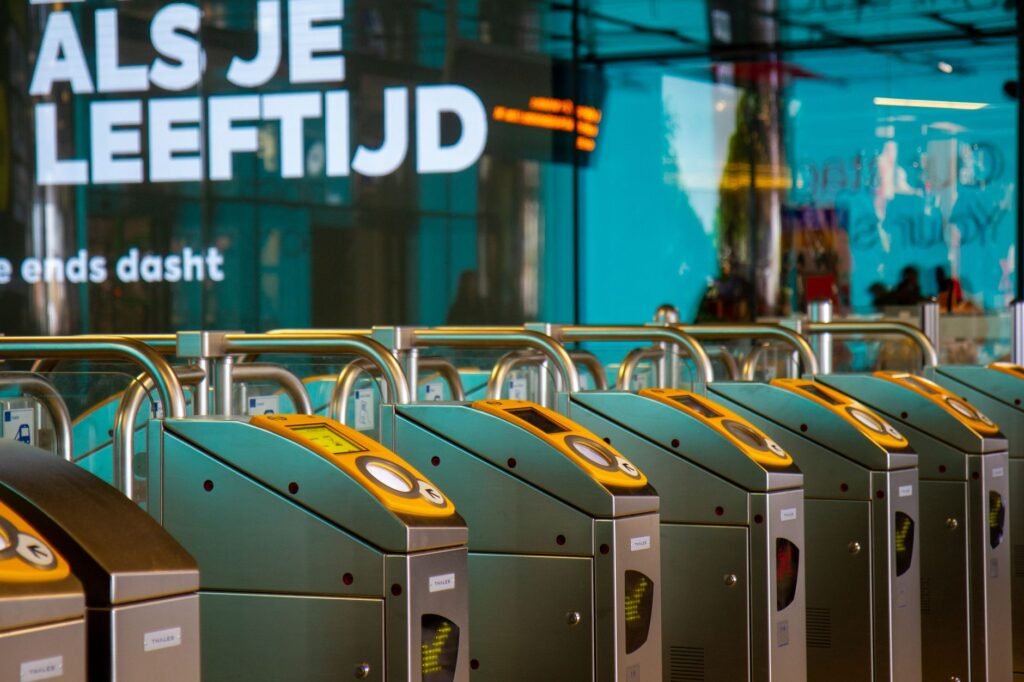
For public transport, you can tap in and out on trains, trams, buses and metro with a contactless bank card or a phone, which covers most people from day one.
A personal OV card is what you need if you want a season ticket or a discount subscription loaded onto it, and the benefits of a personal OV card are mostly about those subscriptions rather than the tapping itself.
Set Up Insurance, Taxes, and Daily Life Essentials
Dutch health insurance is compulsory and you have four months from registration to arrange it.
The basisverzekering covers GP visits, hospital care, prescriptions and referrals, and the package itself is identical across insurers because the government sets it - what differs is price, service and which providers are contracted.
Premiums for the following year are published by mid-November, which is when comparing and switching is actually worth the hour.
If your income is below the threshold, zorgtoeslag offsets part of it, and the Dutch health insurance guide covers choosing a provider.
Adult dental care and extended physiotherapy sit outside the basic package, so look at supplementary insurance if you need either.
Tax filing happens through the Belastingdienst site with your DigiD, and the Dutch tax system guide explains the three-box structure.
If you were recruited from abroad you may qualify for the 30 per cent ruling, a tax facility on part of your salary - its percentage and salary threshold have both been revised by recent tax plans, so confirm the current year’s terms rather than the figure someone quoted you two years ago.
Reading your salary and payslip properly is how you catch it being applied wrongly.
Then the ordinary things: utilities, an internet provider matched to what your building actually supports, and a mobile plan.
Photograph every meter on the day you get the keys, because that reading is your only defence against paying for the previous tenant’s use.
Dutch is not required for most professional work, but it changes what you can do socially and with officialdom, and one of the Dutch language courses in Amsterdam in the first year is the cheapest way in.
Frequently Asked Questions
What documents do I need before relocating to the Netherlands, including visa, residence permit, and registration paperwork?
A valid passport, an MVV if your nationality requires one, and residence permit approval or a sponsor letter from the IND.
Bring apostilled birth and marriage certificates and diplomas, plus a rental agreement or proof of address for the BRP registration once you land.
What are the immigration pathways and requirements to move to the Netherlands permanently?
Employer-sponsored work permits, the highly skilled migrant route, the DAFT self-employment permit for US nationals, and family reunification are the common ones.
After five years of continuous legal residence you can apply for permanent residence or naturalisation, both of which require the civic integration exam.
Can I move to the Netherlands without a job offer, and what visa options allow that?
DAFT is the realistic route for US nationals without a job offer, since it turns on a business plan and a capital deposit rather than an employer.
The orientation year permit, the zoekjaar, gives recent graduates of Dutch or qualifying international universities twelve months to find work.
Outside those two, arriving without either a job or a business is a hard start.
What should U.S. citizens prepare for when moving to the Netherlands, including permits, taxes, and healthcare requirements?
Apply for the residence permit before leaving, and understand that US citizens keep filing US returns from abroad regardless of Dutch tax residency.
Arrange basisverzekering within four months of registering, and research the cost of living in Amsterdam or your chosen city before committing to a salary figure.
What are the essential steps to complete after arrival, such as BSN registration, housing setup, and opening a bank account?
Register at the gemeente for your BSN, apply for DigiD, open a Dutch bank account, arrange health insurance, and set up utilities.
Handle these in the first fortnight, because payroll, government post and your first tax position all depend on them.
And if you ever leave the Netherlands again - what then?
Deregister from the BRP at the gemeente, which is the step that formally ends your Dutch residency and stops tax and insurance obligations accruing.
File a final tax return with the Belastingdienst covering the period up to your departure date.
Cancel your health insurance, close or convert the bank account, and terminate utility and internet contracts with the notice periods they specify.
Leave the bank account open until the final tax settlement and any energy refund have actually landed, because chasing money into a closed Dutch account from abroad is genuinely difficult.