
The first month in the Netherlands is a dependency chain, not a to-do list.
An address unlocks the municipal registration, the registration produces your BSN, and the BSN unlocks the bank account, the insurance and the tax office.
Doing any of it out of order means waiting for the step you skipped, which is where the weeks go.
Week One: Address And Registration
Nothing starts without a registered address.
No address means no municipal registration, which means no BSN, no Dutch bank account and no health insurance, so housing is the first and hardest problem.
Start looking before you land, on Pararius and Funda, if only to learn what the prices and districts actually are.
The market moves in days, so decide fast when something fits.
If nothing permanent is signed, book two to four weeks of temporary accommodation that explicitly permits municipal registration.
Serviced apartments and many landlords will allow it, but it has to be confirmed in writing before you pay, because a lease that forbids registration is worthless for this purpose.
Book the Stadsloket appointment with the Amsterdam municipality the moment you have the address.
The legal deadline is five days from moving in and the appointment queue routinely runs longer than that, so book against your move-in date rather than your arrival date.
Bring your passport, your apostilled birth certificate, the rental contract and the appointment confirmation, all as originals.
The clerk enters you into the BRP and issues the BSN at the counter.
Non-EU nationals usually need a separate IND appointment to collect the residence permit card, at Pieter Calandlaan 1 by Lelylaan station.
Book that online too, since the desk does not take walk-ins.
Week Two: Money And A Phone Number
Open the Dutch bank account as soon as the BSN exists.
The country runs on iDEAL, a bank-transfer payment method tied to a Dutch IBAN, and a great many shops, government portals and utilities accept nothing else.
ING and ABN AMRO are the two largest, with Rabobank third.
You start online and finish identity checks in a branch, and five to ten working days is a normal turnaround.
A neobank such as Bunq, N26 or Revolut can give you a European IBAN in a day or two as a bridge.
Check whether the specific account participates in iDEAL before you rely on it, because a European IBAN that cannot pay a Dutch government invoice is not solving the problem you have.
Get a Dutch SIM in the first few days.
Prepaid from Lebara or Lyca is cheap and sold in convenience stores, while KPN, Ziggo, Odido and Simyo cover contracts.
A Dutch number matters more than the tariff does.
Bank verification codes, government SMS and landlords calling back all assume one.
Week Three: Insurance, DigiD And The Tax Office
Health insurance is compulsory for anyone living or working here.
Take out a basisverzekering within four months, remembering that cover is backdated to the date you became liable, so a late policy still bills you for the gap.
Zilveren Kruis, Menzis, CZ and VGZ are among the larger insurers, and Independer compares the basic packages and the add-ons side by side.
The basic package is identical in cover by law, so you are comparing premium, excess and the extras rather than the medicine.
Register with a GP as soon as you have a postcode, using Zorgkaart Nederland to find one accepting patients.
The GP is the gatekeeper for every referral, so having one before you need one is the point.
Apply for DigiD the same week.
The activation code comes by post to your registered address within a few business days, and until it arrives every government portal stays closed.
Then claim zorgtoeslag if your income qualifies, through the Belastingdienst with your BSN and Dutch account.
It is paid monthly in advance against the health premium, so applying late means months you do not get back.
Week Four: Transport, Utilities And The Rest
Public transport needs no card.
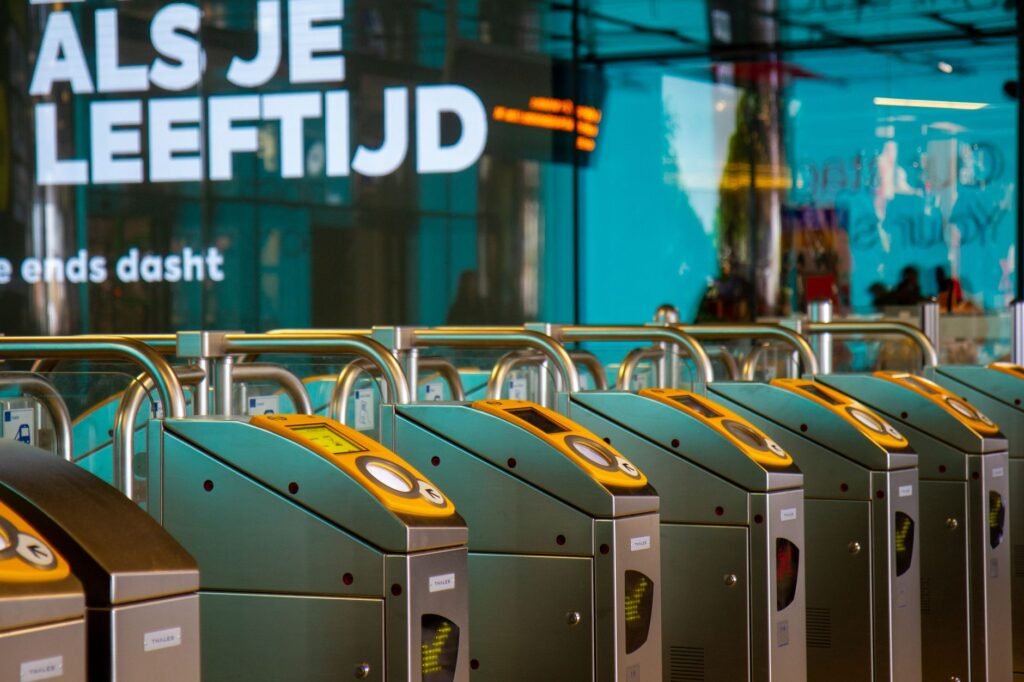
Tapping in and out with a contactless bank card or phone through OVpay works on trams, buses, the metro and national rail, and an OV-chipkaart is now only worth buying for a season or discount product it still carries.
A bike is the actual default.
A Swapfiets subscription bundles the bike and all repairs into a monthly fee, which is the low-effort option while you work out whether you want to own one.
For groceries, Albert Heijn and Jumbo dominate, with Dirk and Lidl cheaper and Ekoplaza the organic option.
Both major chains run app-only discounts that are meaningfully cheaper than the shelf price.
Energy is a contract you choose yourself, from Essent, Vattenfall, Eneco and others, signed online with your BSN and bank details.
The grid operator is separate and not chosen, which for Amsterdam means Liander, and its charges appear on your bill regardless of supplier.
Americans arriving under the Dutch-American Friendship Treaty spend part of the month on the IND appointment and registering the business structure with the Chamber of Commerce.
Anyone employed by a Dutch company should raise the 30 per cent ruling with payroll in the first weeks, since it exempts 30 per cent of gross salary from tax in 2026, falls to a flat 27 per cent from 2027, and needs a taxable salary of at least 48,013 euros a year.
Frequently Asked Questions
What should I do in the first week?
Confirm the address, book the Stadsloket appointment and buy a Dutch SIM, in that order.
Everything else in the month depends on the first two, and the third is what the first two will call you on.
What has to be done inside the first 30 days?
Municipal registration and BSN, a Dutch bank account, health insurance and a DigiD application.
Non-EU nationals add collecting the residence permit from the IND, and the five-day registration deadline is the only one of these with a statutory penalty attached.
Do I need a BSN before opening a bank account?
The major Dutch banks ask for it, so registration comes first in practice.
A neobank can issue a European IBAN within a couple of days as a bridge, but check it works with iDEAL before you depend on it.
What if I cannot get a Stadsloket appointment in time?
Register as a non-resident through the RNI in another municipality, which issues a real BSN without an Amsterdam address.
That unblocks payroll and banking while you wait for the full registration, which still has to happen afterwards.
Can I get health insurance before I am registered?
No, because the insurer needs your BSN to issue the policy.
The four-month clock runs from when you became liable rather than from when you registered, so a slow registration eats into the window rather than extending it.
How long does DigiD take?
The application itself takes minutes and the activation code is posted to your registered address within a few business days.
If nothing arrives after ten working days, check the name on the mailbox and request a new code from the site.