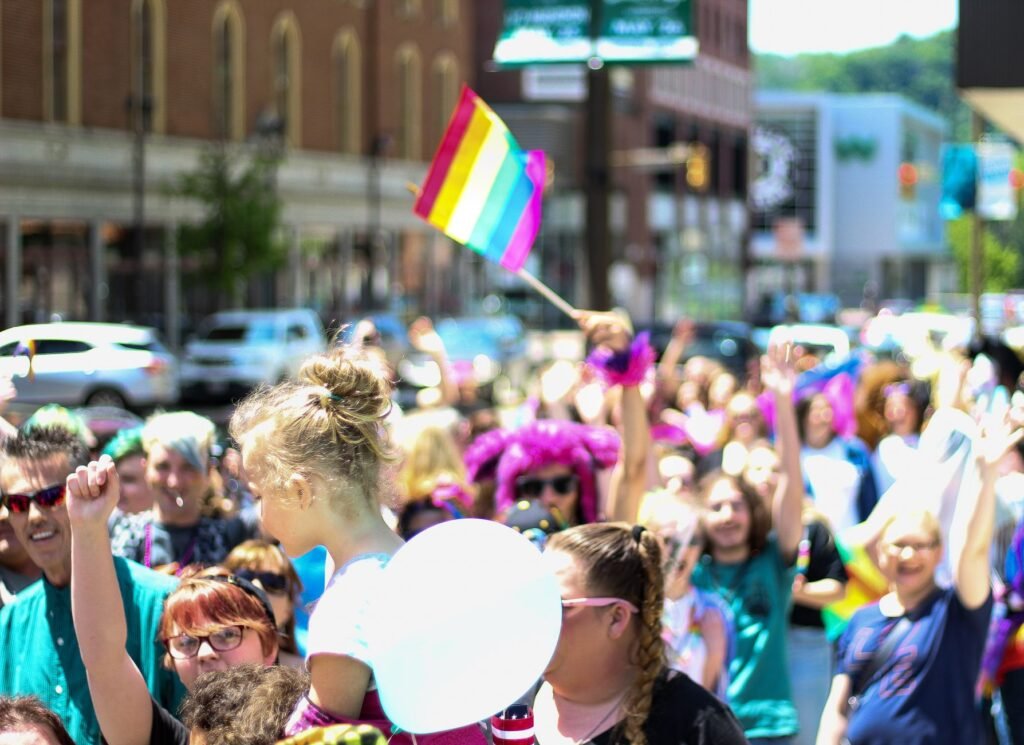
WorldPride Amsterdam 2026 runs from 25 July to 8 August, fifteen days rather than the single weekend Amsterdam Pride normally occupies.
The reason it landed here this year is that April 2001 saw the first legal same-sex marriages anywhere in the world, performed in Amsterdam’s city hall, and 2026 is the twenty-fifth anniversary.
This guide sets out the schedule with dates, the Canal Parade route and where to stand on it, the year-round nightlife, and what to book and when.
What Happens When: Dates, Format, And Why 2026 Matters
The fortnight splits cleanly in two, and which half you come for should decide where you stay.
The first week is Pride Amsterdam as the city normally runs it, centred on the canals and the neighbourhoods.
The second is the international WorldPride programme, centred on Museumplein.
25 July - the Pride Walk from Dam Square to Vondelpark, followed by Pride Park with live music and community stalls.
31 July and 1 August - street parties across the central neighbourhoods, free and open, running into the evening.
1 August - the Canal Parade, boats from noon to about six, free to watch from the canalside.
4 August - the UNITY Concert on Museumplein, ticketed.
5 to 7 August - the Human Rights Conference, with international speakers and policy sessions rather than performance.
5 to 8 August - the WorldPride Village on Museumplein, with exhibitions, food and organisations from across the world.
8 August - the WorldPride March from Martin Luther King Park to Museumplein, free, followed by a ticketed closing concert.
Nobody does all of it, and trying to is how people end up remembering a fortnight of queueing.
Most visitors pick the Canal Parade weekend or the closing weekend and treat the rest as whatever they happen to walk into.
The Biggest Events To Prioritise First
The Canal Parade is the one that people travel for, and it is genuinely unlike any other Pride event because the floats are boats and the audience is standing on bridges above them.
Dozens of decorated boats, organisations and companies and community groups, move slowly enough that you can read every banner.
The WorldPride March on 8 August is the other end of the same festival: a march rather than a parade, free, and about visibility and protest rather than spectacle.
If you only have one day and you want the politics rather than the party, take that one.
The street parties on 31 July and 1 August are where most Amsterdammers actually spend Pride, in open-air sets on squares and closed-off streets rather than in the crowd on the canals.
The ticketed concerts on 4 and 8 August sell out and are the only part of the festival where a decision made on the day will not work.
Canal Parade Day: Route, Viewing, And Crowd Expectations
The route starts on the Nieuwe Herengracht near the Scheepvaartmuseum, turns down the Amstel, and finishes along the Prinsengracht towards the Westerdok.
Boats set off at noon and the tail of the parade clears the last stretch around six, so a spot near the end sees nothing for the first two hours.
The Prinsengracht and the bridges over the Amstel are the classic viewpoints and are full well before the start.
People bring folding chairs to the bridges from mid-morning, and by eleven the good positions are held.
The Nieuwe Herengracht at the start is the sensible alternative: the same boats, seen earlier, with room to stand.
The Jordaan side streets a block back from the Prinsengracht are where to go if you want the atmosphere without being pressed against a railing.
Canalside bars and restaurants take bookings for parade day and are full weeks in advance, so this is a decision to make in June rather than in July.
The centre goes largely car-free for the day, bike routes are diverted, and parking restrictions widen well beyond the parade route.
Trams and the metro keep running but services crossing the route are held or diverted, so allow far longer than the timetable says.
Download the official route map from the WorldPride site before the day, because phone networks in the centre struggle under that crowd.
Wear shoes you can stand in for six hours and carry water, since the canalside has no shade and August here can hit the high twenties.
Where To Go Out And Experience The Local Scene
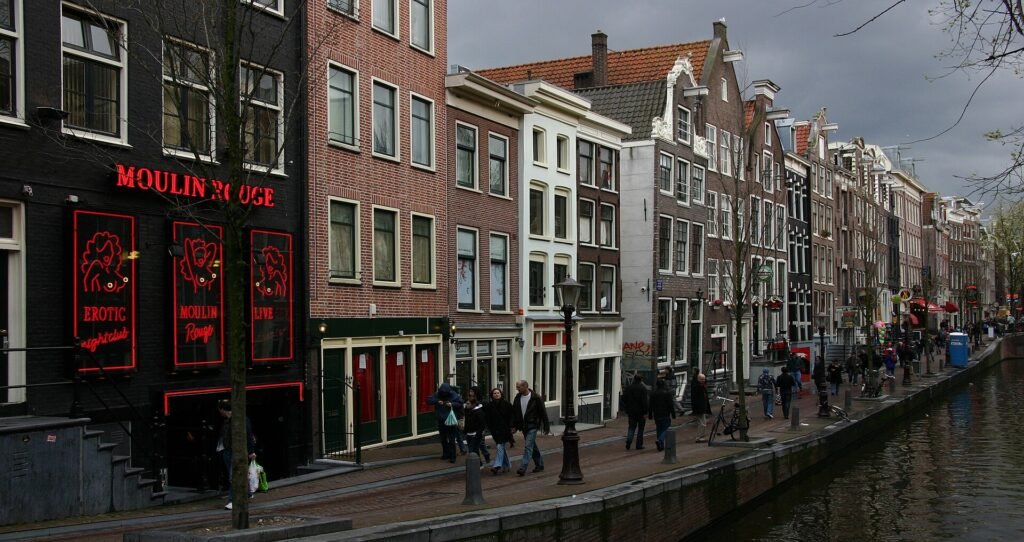
Amsterdam’s LGBTQ+ nightlife is a year-round scene rather than a Pride-week phenomenon, which is worth knowing if you visit at any other time.
Reguliersdwarsstraat, a short street running off Rembrandtplein, is the centre of it, with bars and clubs from quiet cocktail rooms to full dance floors along a couple of hundred metres.
During Pride the whole street closes and becomes one venue, and the indoor spaces fill early.
The Zeedijk, near Centraal Station, holds the older bars, including Café ‘t Mandje, opened in 1927 and generally recognised as the first openly gay bar in the Netherlands.
It closed for decades and was reopened in the 2000s with the original interior, and it is a very different evening from Reguliersdwarsstraat.
De Pijp has grown into the quieter, more residential option, with a mixed local crowd rather than a scene.
Queer history walking tours run year-round and add extra departures during Pride, and they cover the parts of the city’s story that the parade does not.
How To Plan Your Trip Around The Festival
Central hotels sell out for the Canal Parade weekend months ahead and the rates roughly double for it.
If the canal belt is gone or unaffordable, the Jordaan and De Pijp are still walkable, and Haarlem is fifteen minutes by train with normal prices.
For the first week, stay anywhere between the Jordaan and the Amstel and you can walk to the parade and the street parties.
For the second week, stay near Museumplein, because the Village, the conference and the closing concert all happen on the same square.
Schiphol is fifteen to twenty minutes by train into Centraal, with trains through the night.
For city transport, tap in and out with a contactless bank card or phone using OVpay, which works on trams, metro, buses and trains and removes the need to buy a card at all.
Trams beat bikes during Pride week, because half the bike routes in the centre are closed or unusable.
Late July and early August here swings between high twenties and heavy rain within a day, so pack a light rain layer alongside the sunscreen.
For last-minute changes and what is on each day, sign up for the Essentially Amsterdam newsletter.
For parties, screenings and other events through the year, see what’s on in Amsterdam this week.
Frequently Asked Questions
When is Amsterdam Pride held, and what are the main event dates?
WorldPride Amsterdam 2026 runs 25 July to 8 August, with the Canal Parade on Saturday 1 August.
The WorldPride March and the closing concert both fall on 8 August, and the Human Rights Conference runs 5 to 7 August.
Is the Canal Parade free to watch, and do I need tickets for any areas?
The Canal Parade is free from anywhere on the canalside and there is no ticketed viewing area.
The concerts on 4 and 8 August and the Human Rights Conference are ticketed, and the official site is where prices and availability are published.
Where are the best places to view the Canal Parade, and how early should I arrive?
The Prinsengracht and the Amstel bridges are the classic spots and are held from mid-morning by people with chairs.
The Nieuwe Herengracht near the start is the better call for a late arrival, and two hours before the noon start is the minimum anywhere on the route.
What should I wear to Pride events in Amsterdam, and what should I bring with me?
There is no dress code at any of it, and the range on the day runs from full costume to a T-shirt.
What matters is shoes you can stand in all day, a refillable bottle, sunscreen, a rain layer and a power bank, because you will not sit down and you will not find a socket.
What are the best parties and club nights during Pride week, and how do I get tickets?
Reguliersdwarsstraat is the hub and its venues run special programmes across the fortnight, most of them ticketed separately.
Line-ups are published a few weeks ahead on the venues’ own sites and the larger nights sell out within days of going on sale.
Is Amsterdam Pride worth attending, and which events are most recommended for first-timers?
For a first time, the Canal Parade on 1 August is the event that justifies the trip, because a parade on water is not something you can see elsewhere.
Pair it with a street party the same weekend for the local version of the festival, and the WorldPride March on 8 August if you want the part that is still a protest.
In the news
- Amsterdam steps up security measures for WorldPride celebrations 1 August 2026
- Floating WorldPride stadium on Prinsengracht draws complaints from local residents 30 July 2026
- Floating Pride stadium on Prinsengracht draws criticism from local residents 29 July 2026
- Sunny conditions expected for Saturday’s Canal Parade in Amsterdam 29 July 2026