
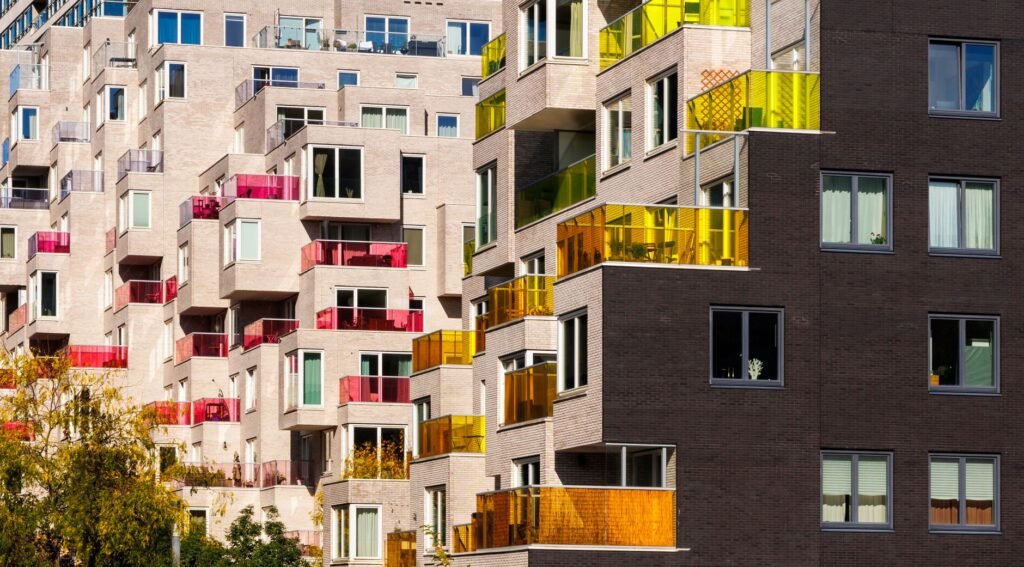
Energy coaches working with residents in Amsterdam Zuidoost have expanded their work beyond insulation to include practical help against indoor heat.
The shift comes as longer, hotter periods make some homes difficult to keep comfortable, especially older buildings and upper floors that trap warmth.
Figures from the RIVM have already flagged the risk: heat-related deaths in the city could roughly double by 2050, reaching around 250 a year under extreme conditions.
That outlook is pushing more attention onto simple ways to lower temperatures inside homes.
Pilot in the southeast
De Groene Hub, a community initiative in Zuidoost that works with the municipality, has taken on the extra task as a pilot.
Project leader Aman Walia notes that coaches are already inside people’s homes for energy work, so they can address heat at the same time.
What started as advice on saving energy is becoming a wider look at the problems a household faces.
Money is often a barrier; not every resident can pay for larger renovations on their own.
What the visits include
On a recent visit to a top-floor apartment at Opheusdenhof, the team fitted a shade cloth on the balcony so the resident could sit outside with her children.
They also improved insulation, explained how to limit mold, and left a basic kit that included a fan, a mosquito net, and window film.
Coach Iwan Gunawan Soewito said much of the difference comes from daily habits, so clear tips matter as much as the physical changes.
The resident said the work helps bring bills down and lets fresher air into the home.
Why it matters locally
Warmer neighborhoods already feel the extra strain, and high-rises with little shade are especially exposed.
Small measures - blocking direct sun, improving airflow, and knowing when to open or close windows - can lower indoor peaks without major construction.
For the coaches, the clearest reward is seeing residents able to use their own balconies and rooms again during hot spells.
The pilot keeps the original focus on energy use while treating heat as part of the same conversation about livable homes.
![Top [count] Travel Blogs to Follow - OnToplist.com](https://www.ontoplist.com/images/ontoplist31.png?id=6a8dcf108f478)