
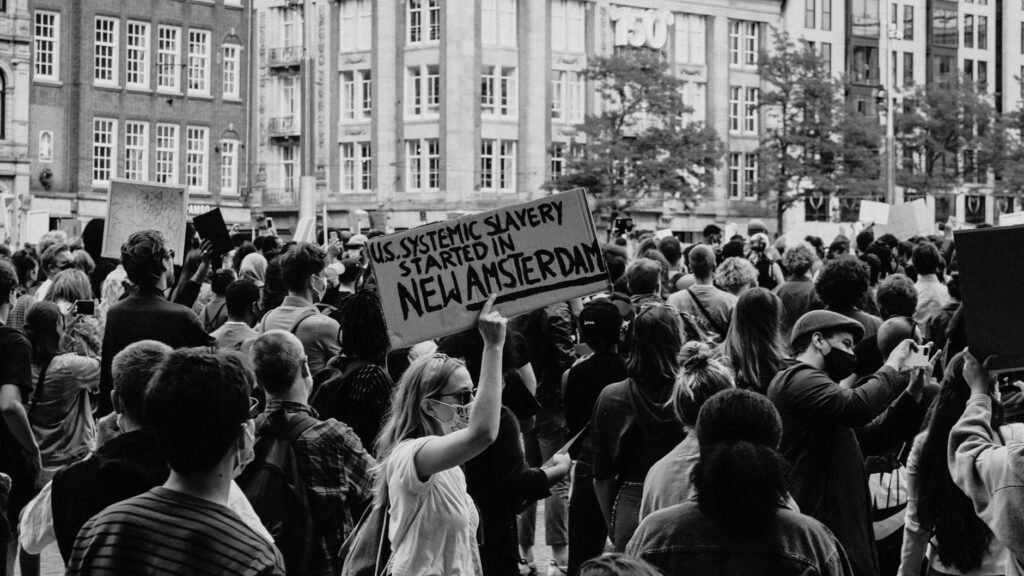
Hans Metz, a longtime Amsterdam activist best known for his early role in the Provo movement, has died at the age of 81.
He spent decades campaigning against injustice, though he preferred to stay out of the spotlight and leave the speeches to others.
His partner, Adriana Niesthoven, summed up his aim as a world without injustice.
Saving the first issue
Metz’s most consequential moment came in May 1965 at Roel van Duijn’s flat on the Karthuizersstraat.
A small group was stenciling the first issue of their magazine, each copy fitted with a firecracker and a call to set it off at home, when police raided the place to seize the print run.
Metz grabbed several copies, hid under a double bed, and later took the surviving issues plus an account of the raid to newspaper offices on the Nieuwezijds Voorburgwal.
Van Duijn later said that without Metz the gentle revolution of the 1960s and 1970s might never have got off the ground, because the story appeared in almost every paper that evening.
Provo and prison
The two men had met in 1964, when Metz was still living with his parents in Utrecht and already active in the Pacifist Socialist Party.
He had been expelled from the Utrechts Lyceum for handing out inflammatory pamphlets, then moved to Amsterdam to join Provo.
In 1967 he spent four weeks in jail as publisher of the Provo-linked magazine God, Nederland & Oranje after it printed a drawing of Queen Juliana as a striptease dancer.
The conviction for lèse-majesté sparked weekly Saturday-night demonstrations outside the Huis van Bewaring on the Amstelveenseweg, with the chant “Hans Metz must be free” becoming widely known.
Later campaigns
After Provo ended in 1967, Metz stayed with the Amsterdam branch of the PSP while others formed the Kabouter movement.
He joined Aldermaston marches in London against nuclear weapons, protested high rents after settling in the Bijlmer in the 1970s, and later took up climate, racism and discrimination.
He worked part-time as a statistician at the ministries of Culture, Recreation and Social Work and later Social Affairs, deliberately keeping distance from policy so he could keep campaigning and help raise his children.
In later years he and Niesthoven walked with Grootouders voor het Klimaat and joined climate marches.
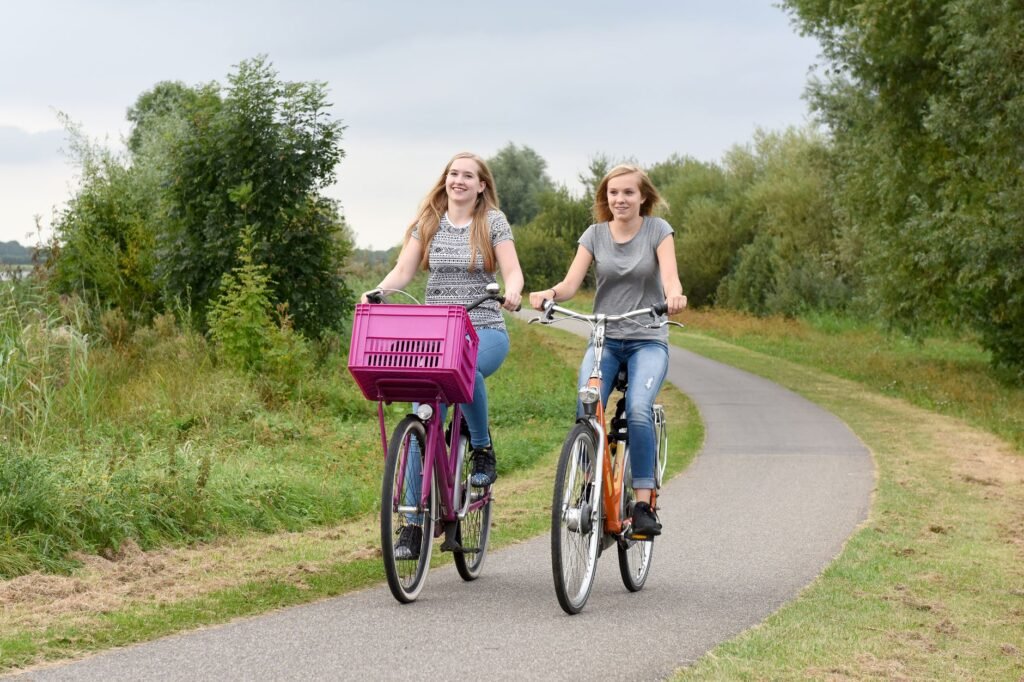
He also took up long-distance cycling, including a three-month ride to the North Cape in 2002 and later trips through Russia, often camping alone.
Alzheimer’s made him more sensitive to suffering in the news, especially the treatment of Gazans, yet activism remained his answer to despair; his motto stayed simple: there is still much to be done.
![Top [count] Travel Blogs to Follow - OnToplist.com](https://www.ontoplist.com/images/ontoplist31.png?id=6a8dcf108f478)