
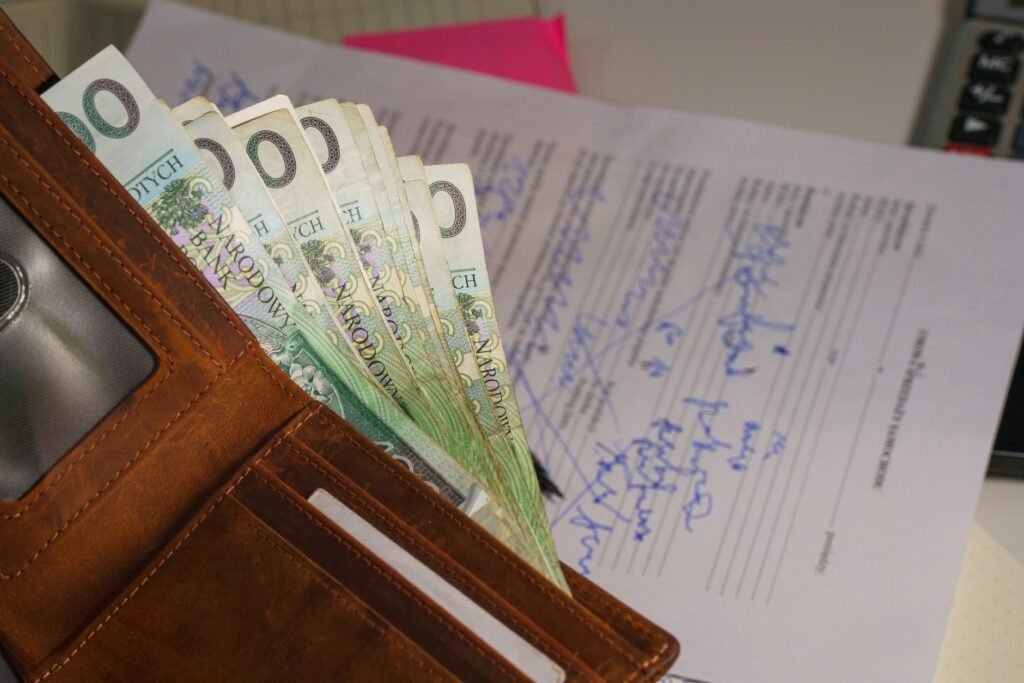
Dutch consumer lending is narrower than it looks, and the first thing to understand is that there are really only two products.
A persoonlijke lening is a fixed amount at a fixed rate over a fixed term, so the monthly payment never moves and the end date is known on day one.
A doorlopend krediet is a revolving facility at a variable rate, which is cheaper to hold when rates are low and open-ended in a way that catches people out.
Everything below is a persoonlijke lening unless stated otherwise, because that is what the banks actually push and what suits most borrowers.
The other thing to know before comparing anything: Dutch lenders quote rates in bands by loan size, so the advertised headline rate almost always belongs to the largest bracket.
A €5,000 loan and a €40,000 loan from the same bank are priced very differently, which is why a comparison that ignores your actual amount is worthless.
1) ABN AMRO Personal Loan
ABN AMRO is the conventional starting point for a larger borrowing, and its pricing is published as a rate table by amount band rather than a single figure.
The loan is fixed rate and fixed term, so you know the monthly payment and the total cost before you sign anything.
You need a Dutch bank account and a BSN to apply, and existing customers move faster because the bank already holds the income history.
The whole application runs through online banking.
ABN AMRO underwrites conservatively and checks BKR thoroughly, so a clean register and a steady documented income matter more here than at a small lender.
Expect a slower decision than a fintech and a lower rate in exchange for it.
2) Independer Loan Comparison
Independer is not a lender; it is an AFM-licensed comparison platform, and using it before approaching any bank directly is the single highest-value step in this list.
It shows the APR each participating lender quotes at your specific loan amount and term, which is exactly the comparison the banks’ own marketing avoids.
Enter the real amount you need rather than a round number, because the band boundaries are where the rate jumps.
Comparing through a platform does not itself register anything at BKR - only an actual credit application does - so you can shop the rate before committing.
3) ING Personal Loan
ING’s persoonlijke lening is structured the same way as ABN AMRO’s: fixed rate, fixed term, unchanging monthly payment.
It is used for the same purposes - home improvements, a car, consolidating several smaller debts into one payment at a lower blended rate.
The application is online and faster for existing ING customers, because income and spending history are already visible to the underwriter.
ING also offers a doorlopend krediet, and the two get confused: check which product the quote in front of you actually is, because a revolving facility with a variable rate is not comparable to a fixed loan on price alone.
BKR is checked before approval either way.
4) Rabobank Personal Loan
Rabobank completes the big three and prices in the same territory, with the three regularly trading places depending on the amount band.
Its site carries a loan calculator that returns the monthly payment and total cost for a given amount and term before you apply, which is the fastest way to get a real number out of a Dutch bank.
The loan is fixed amount, fixed rate, fixed monthly payment for the full term.
Existing Rabobank customers get a quicker decision for the usual reason.
If you already bank here, get the Rabobank quote first and use it as the number the other two have to beat - running all three takes under an hour and the spread between them is real money over five years.
5) Saldodipje Small Loan
Saldodipje is a different product entirely, aimed at small amounts over short periods.
The maximum is €1,800 and the eligibility bar is low - being 18 and having some income is broadly it - which is why it is the option people reach for when a bank has said no.
Interest starts at around 11.67 per cent, well above bank pricing for a persoonlijke lening.
What you are paying for is speed, with payouts typically landing within a day or two.
That trade is defensible for a genuine one-off shortfall and indefensible for anything longer, because at this rate the cost compounds fast against a bank loan you could have waited a fortnight for.
Use it only where you can state the repayment date with confidence.
How To Choose The Right Dutch Loan
Fix the amount and the term first, because both drive the rate you will be quoted.
Borrowing slightly more to cross into a lower rate band occasionally costs less in total than the smaller loan - the calculators will show you whether that is true at your figure.
Compare on APR, not on the nominal interest rate, since the APR is the figure that includes charges and is defined so that lenders cannot present it differently from each other.
Decide between fixed and variable deliberately rather than by default.
A persoonlijke lening removes rate risk entirely; a doorlopend krediet leaves it with you and can be repriced during the term.
Ask explicitly what early repayment costs before signing, and get the answer in the contract rather than from a call centre.
If there is any chance of a bonus, an inheritance or a job change clearing the balance early, that clause is worth more than a small difference in headline rate.
Eligibility And Expat Requirements In The Netherlands
The baseline is being 18 or over, holding a BSN, and showing steady documented income.
Every regulated lender checks the BKR register in Tiel, which records your active credit agreements, your credit limits and any payment arrears.
Newly arrived expats face a specific difficulty: banks generally want to see two to three years of Dutch residency and a permanent contract, and a fixed-term contract with a strong salary is often refused where a lower-paid permanent one is approved.
Self-employed applicants are usually asked for several years of accounts.
How much you can borrow is not set by your income alone but by the Nibud leennormen, which model your fixed costs and household composition to produce an affordability ceiling.
This is why a high earner with existing credit lines can be refused where a lower earner with none is approved - the register counts your available limits, not just your drawn balances.
Request your own BKR report at mijnbkr.nl before applying.
Old credit limits you never use, a forgotten phone contract, a store card left open - all of them reduce your capacity, and all of them can be closed in advance rather than discovered mid-application.
Frequently Asked Questions
Can I get a personal loan in the Netherlands as a resident or expat?
Yes, but the bar is higher for recent arrivals.
You need a BSN, a Dutch bank account and documented steady income, and most banks additionally want two to three years of residency and a permanent employment contract.
What are the easiest types of loans to get approved for in the Netherlands?
Small short-term loans from specialist lenders like Saldodipje have the lowest eligibility bar, capped at modest amounts.
They also carry the highest rates by a wide margin, so easy approval and cheap credit are opposite ends of the same market.
How much can I typically borrow in the Netherlands based on my income and credit history?
Your ceiling is set by the Nibud affordability norms rather than a simple income multiple, and it accounts for your fixed costs and household situation.
Existing credit limits count against you even when unused, which is the most common reason a borrower is offered less than expected.
Which Dutch banks and online lenders are most commonly used for personal loans?
ABN AMRO, ING and Rabobank dominate the persoonlijke lening market.
Independer is the main AFM-licensed comparison route, and specialist short-term lenders sit outside that group entirely.
Are there fast online loan options in the Netherlands with same-day or instant approval?
Decisions within hours are realistic at small specialist lenders, with money arriving in a day or two.
Bank loans of any size take several working days because the BKR check and income verification are done properly.
How do credit checks and BKR registration affect loan approval in the Netherlands?
Every regulated lender checks BKR, and a negative registration for missed payments or a default is usually an immediate refusal.
Even without arrears, the number and size of your existing credit lines reduces what you will be offered.
Pull your own report at mijnbkr.nl first, close what you do not use, and apply once - repeated applications in a short window are themselves visible and unhelpful.

![Top [count] Travel Blogs to Follow - OnToplist.com](https://www.ontoplist.com/images/ontoplist31.png?id=6a8dcf108f478)