
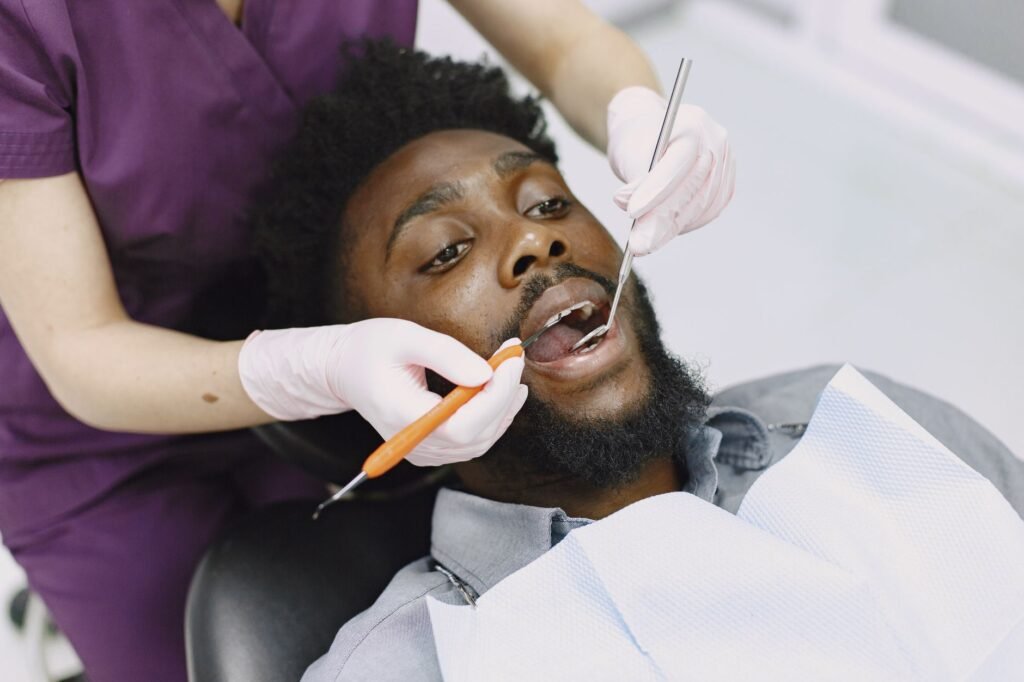
Dutch dental prices are capped by law, itemised by code on every bill, and almost entirely uncovered for adults.
Those three facts explain everything about what you will pay.
A routine check-up runs €20 to €30 and a root canal rarely passes €450, which is low by American standards.
What catches people out is not the price of treatment but the discovery that basic health insurance pays none of it once you turn 18.
What Common Treatments Cost
Check-up: €20 to €30, covering the consultation and an examination of teeth and gums.
At the usual six-month interval that is €40 to €60 a year before anything is actually done.
Hygienist cleaning: €55 to €85 a session with a mondhygiënist, and it is billed separately from the check-up.
A first appointment after a long gap takes longer and costs more.
Fillings: €40 to €80 depending on size and material, with tooth-coloured composite at the upper end.
Root canal: €200 to €450, driven by which tooth it is and how many canals need treating.
Crown: €250 to €600.
Whitening: €150 to €400, and never reimbursed, because it is classed as cosmetic.
Braces: €1,500 to €3,000 for a full course of orthodontic treatment.
How Pricing And Billing Work
The Nederlandse Zorgautoriteit sets a maximum tariff for every dental procedure, revised annually, and no practice may legally charge above it.
Some clinics undercut the cap; many sit exactly on it, which is why quotes from different dentists often match to the cent.
Every line on your bill carries an NZa treatment code - one for the examination, one for each filling, one for each X-ray.
The codes exist so you can check the charge against the published rate list, and it is worth doing once on your first substantial bill.
Most practices take payment at the desk immediately after the appointment, by debit card.
If you hold supplementary cover you normally pay first and claim back, though some clinics bill the insurer directly - ask which before treatment rather than after.
Finding A Dentist
You register with a practice rather than booking ad hoc, and popular practices in central Amsterdam keep waiting lists.
Practices in the Jordaan, De Pijp and the centre are the most likely to have English-speaking staff, but ask when you register rather than assuming.
If you are new to the country, register with a dentist in your first months rather than waiting until something hurts.
Emergency appointments as a non-patient are harder to get and no cheaper.
What Insurance Covers
Children Under 18
Basic health insurance covers check-ups, fillings and most routine dental treatment for under-18s in full.
Orthodontics is the exception and generally needs supplementary cover, which typically carries a waiting period of around a year before it pays out.
That waiting period is the reason to arrange children’s dental cover on arrival, not when the orthodontist first raises braces.
Adults
The basisverzekering covers almost no adult dental care.
Surgical treatment in a hospital setting is the main exception; check-ups, cleanings, fillings and crowns are not covered at all.
To get anything back you need an aanvullende tandartsverzekering, sold by all the major insurers as a tier of add-on plans.
Premiums run roughly €10 to €60 a month depending on the tier.
Reading A Dental Add-On Properly
The number that matters is the annual reimbursement ceiling, not the premium.
An entry-level plan may cap out around €250 a year, while a comprehensive one covers €1,000 or more.
Many plans reimburse a percentage rather than the full amount, commonly 75 per cent up to the ceiling.
Check for waiting periods on crowns, bridges and implants, which are frequently excluded for the first twelve months.
Run the arithmetic against your own history: two check-ups and two cleanings a year comes to roughly €150 to €230, which a €15-a-month plan will not beat on its own.
Supplementary dental cover pays off when you expect substantial work, not when you expect maintenance.
The Deductible Does Not Apply
The mandatory eigen risico of €385 a year sits on your basic policy and has nothing to do with dental add-ons.
Dental reimbursements are paid separately and do not consume it.


![Top [count] Travel Blogs to Follow - OnToplist.com](https://www.ontoplist.com/images/ontoplist31.png?id=6a8dcf108f478)