The Netherlands uses the euro, and has done since notes and coins changed over on 1 January 2002.
Prices carry the € symbol, the international code is EUR, and nothing else is legal tender.
The useful question for a visitor is not which currency but how to hand it over.
Dutch payment habits are card-first to a degree that catches out travellers from countries where a credit card opens every door, and the advice most travel guides still give about which card to bring is several years out of date.
What You Use To Pay In The Netherlands
De Nederlandsche Bank, the Dutch central bank, issues and supervises the currency.
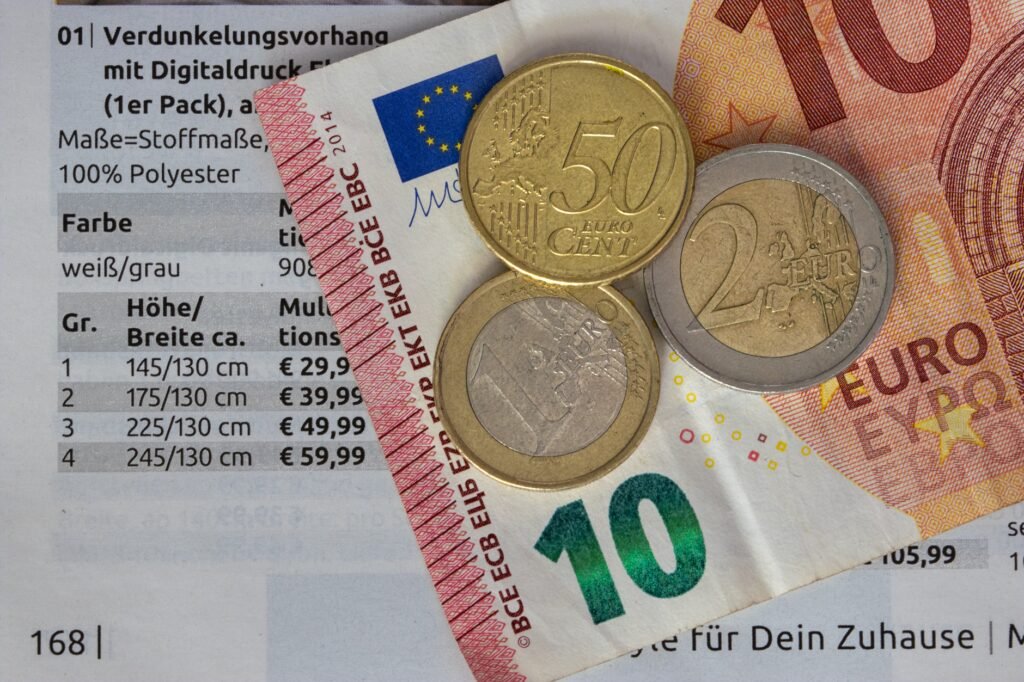
Euro coins run 1, 2, 5, 10, 20 and 50 cents plus €1 and €2, but the Netherlands stopped putting 1 and 2 cent coins into circulation in 2004.
Cash totals are rounded to the nearest five cents at the till, so a €4.98 basket costs €5.00 in notes and coins and exactly €4.98 on a card.
The Dutch side of the coins minted since 2014 carries King Willem-Alexander, and older ones carry Queen Beatrix.
Both spend the same anywhere in the eurozone, as does any coin from Spain, Ireland or Slovenia that lands in your change.
Banknotes you will actually see are €5, €10, €20 and €50.
The €500 note has not been issued since 2019 and the €200 is rare, while a €100 in a small café or bakery will often be refused outright for lack of change.
Shops do not take US dollars, and the handful of tourist-trap exceptions set their own rate.
If you are planning a longer stay rather than a trip, read up on banking in the Netherlands before you arrive.
Cards, Cash, And Everyday Dutch Payment Habits
Paying by card is called pinnen and the card itself a pinpas, and you will hear both words several times a day.
Older advice to bring a Maestro or V Pay card is now wrong.
Mastercard stopped issuing new Maestro cards in Europe from July 2023 and Visa retired V Pay over the same period, and Dutch banks moved their customers onto ordinary Debit Mastercard and Visa Debit - which is exactly what a normal foreign debit card already is.
Contactless is the default, and Apple Pay and Google Wallet work at almost every terminal.
A tap runs without a PIN below roughly €50, above which the terminal asks for the code.
Credit cards remain the weak spot rather than debit cards.
Plenty of supermarkets, bakeries, market stalls and neighbourhood cafés take debit only, so a Visa or Mastercard credit card should be your backup and not your main card.
Cash is going the other way, and a growing number of cafés, museums and shops display a alleen pinnen or “card only” sign and will not take notes at all.
Outdoor markets, some tram-stop flower stalls and toilet attendants are the reliable exceptions, so €30 to €50 in small notes and coins covers a day comfortably.
Almost every cash machine in the country is now a Geldmaat, the yellow shared network that ABN AMRO, ING and Rabobank pooled their machines into.
Withdrawing euros from one beats carrying dollars over to change, provided your own card does not charge a fat withdrawal fee.
For options that suit a visitor rather than a resident, see the best credit cards in the Netherlands.
The cost of living in Amsterdam page gives a realistic sense of what a day actually costs.
Exchange Rates, Conversions, And Avoidable Fees
Start from the mid-market rate, the benchmark banks use between themselves, so you can see what anyone else is adding on top.
Live rates are on a currency converter like Xe and on the De Nederlandsche Bank exchange rate dashboard.
Your own bank is the first place value leaks away.
A foreign transaction fee of 1 to 3 per cent on every euro purchase is standard on US cards, and travel-focused debit accounts that waive it exist - check the fee schedule before you fly rather than after.
The second leak is dynamic currency conversion, and it is the one worth learning by heart.
When a card terminal or cash machine offers to charge you in dollars instead of euros, always choose euros, because picking dollars hands the exchange rate to the merchant or the machine at a markup of roughly 3 to 7 per cent.
Changing physical cash is the third.
Bureaux at Schiphol and in hotel lobbies charge what they like because nobody is competing with them at that spot, and a Geldmaat withdrawal on a low-fee card is the sane comparison for anything you would have changed over the counter.
Anyone staying long enough to have a local euro account stops thinking about conversion altogether, which is also the point at which investing in the Netherlands becomes a practical question.
From Guilder To Euro: What Changed
The guilder, or gulden, ran for centuries before the euro and was fixed at 2.20371 to one euro for the changeover.
The euro arrived first as an electronic currency for banks in 1999 and only became cash on 1 January 2002.
The part that still matters is the exchange deadline, and it splits in two.
Guilder coins stopped being exchangeable on 1 January 2007 and are now worth only what a collector pays, but De Nederlandsche Bank will still exchange guilder banknotes for euros until 1 January 2032.
That makes an old thousand-guilder note found in a family drawer worth about €454 rather than nothing.
Guilder notes turned up in an antique shop during your Amsterdam wanderings are a different matter, since the shop will be charging collector prices well above face value.
Frequently Asked Questions
What currency is used in the Netherlands today?
The euro (EUR), and only the euro.
It replaced the Dutch guilder as cash on 1 January 2002 and every business prices in it.
What is the euro symbol and how is it written on prices in the Netherlands?
The symbol is €, written before the amount on price tags, menus and receipts.
The Dutch use a comma where English uses a decimal point, so a coffee is priced €3,50 and a thousand euros is written €1.000.
Which euro banknotes and coins are commonly used in the Netherlands?
In practice, €5, €10, €20 and €50 notes, and 5, 10, 20 and 50 cent coins plus €1 and €2.
The 1 and 2 cent coins exist elsewhere in the eurozone but have not been issued here since 2004, which is why cash totals round to the nearest five cents.
How can I convert euros to US dollars accurately before traveling?
Check the live rate on the Xe currency converter and compare it with what your bank or exchange service quotes, since the gap between the two is the markup.
Changing a small float before departure and using a low-fee debit card at a Geldmaat once you land generally beats every other combination.
What happened to the Dutch guilder and can it still be exchanged?
The guilder was converted to euros at 2.20371 guilders per euro when cash changed over on 1 January 2002.
Coins ceased to be exchangeable on 1 January 2007, but De Nederlandsche Bank still exchanges guilder banknotes until 1 January 2032.