
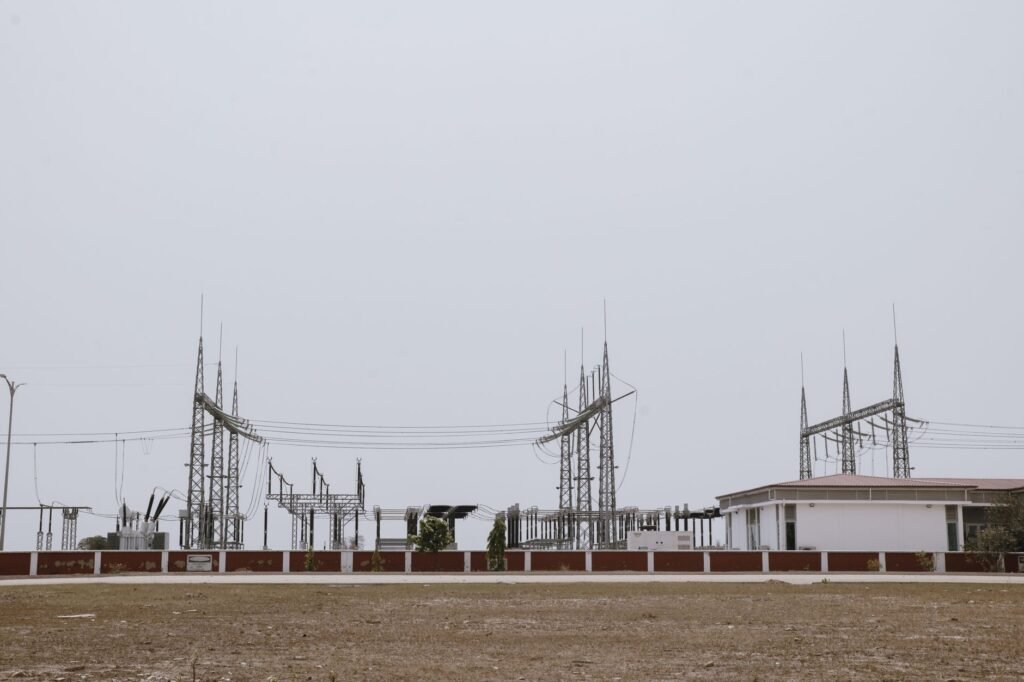
Hundreds of companies across Amsterdam are seeing their expansion and sustainability plans delayed because the local electrical grid is full.
Regional grid operators TenneT and Liander currently have nearly 500 local businesses on a waiting list for new or expanded power connections, creating severe bottlenecks for commercial operations.
Surging demand outpaces grid capacity
Demand for electricity has grown rapidly as companies move away from natural gas and convert heating systems and heavy machinery to electric power.
Amsterdam is projected to need three to four times more electricity by 2050.
While grid operators are building new infrastructure, network expansions cannot keep pace with the swift industrial transition.
Major investment losses for the city
The grid constraints carry significant commercial consequences, with some businesses deciding to expand elsewhere or relocate entirely.
Cable manufacturer TKF famously abandoned plans for an Amsterdam port location in 2022 due to insufficient grid capacity, taking roughly 150 jobs and a 130-million-euro investment to the Eemshaven region instead.
Other firms, including green hydrogen developer Ecolog, remain stuck on waiting lists while attempting to set up local operations.
Workarounds and local battery solutions
To keep operations running, some firms are turning to private batteries and smart energy management systems to store power during off-peak hours.
Supplement maker Winclove Probiotics in Amsterdam-Noord initially relied on a leased diesel generator after moving to a new site on the Cornelis Douwes industrial estate.
The company later installed large commercial batteries to charge overnight or during off-peak periods, allowing it to run daytime machinery without overloading the grid connection.
Shared power and flexible capacity
In the industrial port area, companies are forming local cooperatives to share their allocated grid capacity during off-peak hours.
While business leaders note these flexible arrangements offer short-term relief, industry analysts warn that temporary workarounds cannot replace long-term grid expansion, leaving broader regional economic growth constrained.


![Top [count] Travel Blogs to Follow - OnToplist.com](https://www.ontoplist.com/images/ontoplist31.png?id=6a8dcf108f478)