
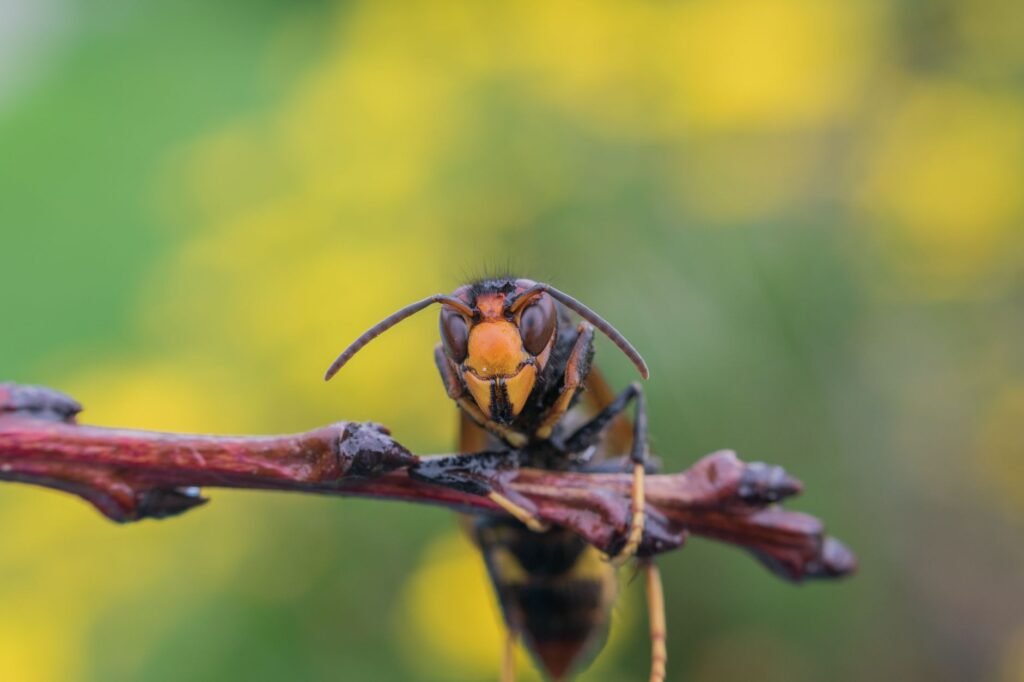
The province of Noord-Holland has narrowed its policy on the yellow-legged hornet, previously known as the Asian hornet. From this year, authorities will remove nests only if they present an immediate danger to people or nature.
All other nests will be left alone, a shift that has drawn sharp criticism from local beekeepers.
Concerns over rapid spread
Expert and beekeeper Jan Pieter van Wijngaarden warns that leaving active colonies will accelerate the insect’s spread. Each nest produces between 200 and 300 queens, of which around seven survive the winter to establish new nests of their own.
Van Wijngaarden and fellow beekeeper Pim Lemmers recently took down a nest the size of a space hopper from a tree in Aerdenhout. The local municipality declined to intervene under the new provincial guidelines, prompting neighbours to raise private funds to pay for the removal themselves.
Risks to biodiversity and public safety
The insect poses threats to both human health and local ecosystems. A single colony consumes around 11 kilos of insects annually, which Van Wijngaarden notes causes severe harm to pollination and biodiversity.
Public safety is another major worry for specialists. A man in Belgium died about a week and a half ago following multiple stings from the hornets.


![Top [count] Travel Blogs to Follow - OnToplist.com](https://www.ontoplist.com/images/ontoplist31.png?id=6a8dcf108f478)