
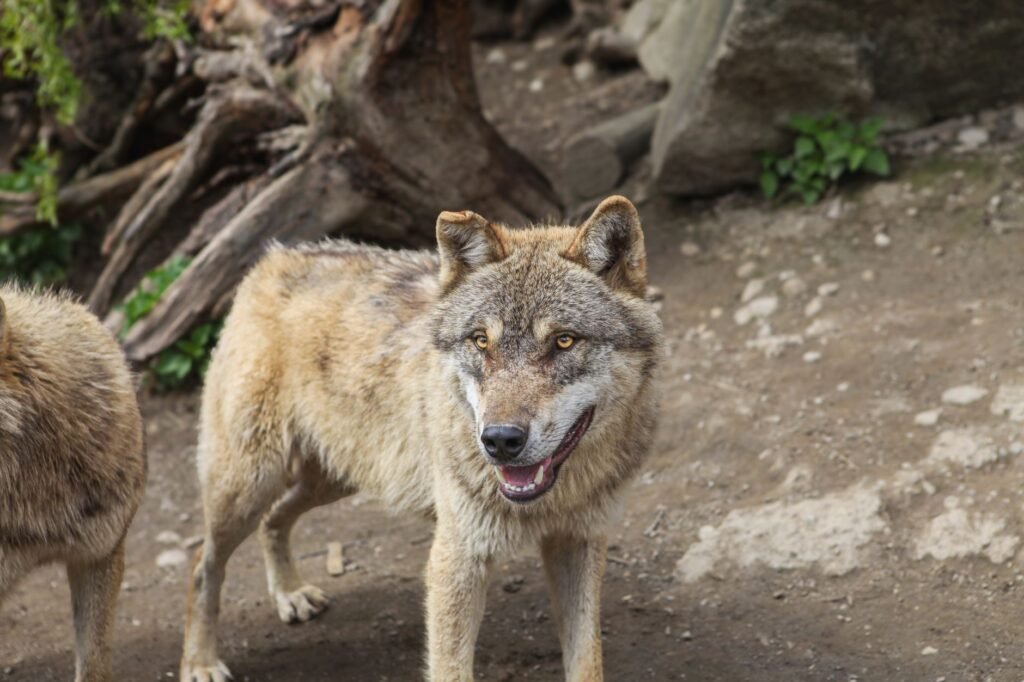
A wolf has been spotted in Laren, marking the third time in five years that one has visited Het Gooi. The sighting coincides with late summer, when young wolves routinely leave their packs to seek out territories of their own.
The Goois Natuurreservaat has advised visitors to keep dogs on leashes and maintain distance if they encounter the animal. Two Drenthe heath sheep flocks are now being kept inside overnight behind protective fencing, while cattle remain outside together in herds.
Human habits and expanding territory
Since the first wolf settled in the Veluwe in 2018, the Dutch population has expanded to an estimated 150 wolves across 14 packs. Ecologist Glenn Lelieveld notes that Wageningen researchers estimate the animals currently occupy only about a quarter of their potential habitat in the country.
Coexisting with the animals requires adjustments from people, including keeping a preferred distance of 200 metres and reconsidering activities in core pack territories. Wolves generally favour military training grounds and quiet nature reserves with ample forest cover to avoid human activity.
Potential routes toward the coast
At less than 40 kilometres from Amsterdam, the roaming wolf is within a single night’s travel of the capital.
The proximity has raised questions about whether wolves might eventually migrate west toward the Amsterdamse Waterleidingduinen, where large herds of fallow deer live between Bloemendaal and Noordwijk.
Retired city ecologist Geert Timmermans expects wolves could explore the dunes within five years, at least as passing visitors.
Lelieveld is more sceptical, noting that dense infrastructure, waterways, and constant traffic around Amsterdam present significant obstacles for an animal that avoids disturbance.
Water management body Waternet, which oversees the Waterleidingduinen, is already drafting a protocol for a first potential sighting to prepare in case an animal does arrive.


![Top [count] Travel Blogs to Follow - OnToplist.com](https://www.ontoplist.com/images/ontoplist31.png?id=6a8dcf108f478)