
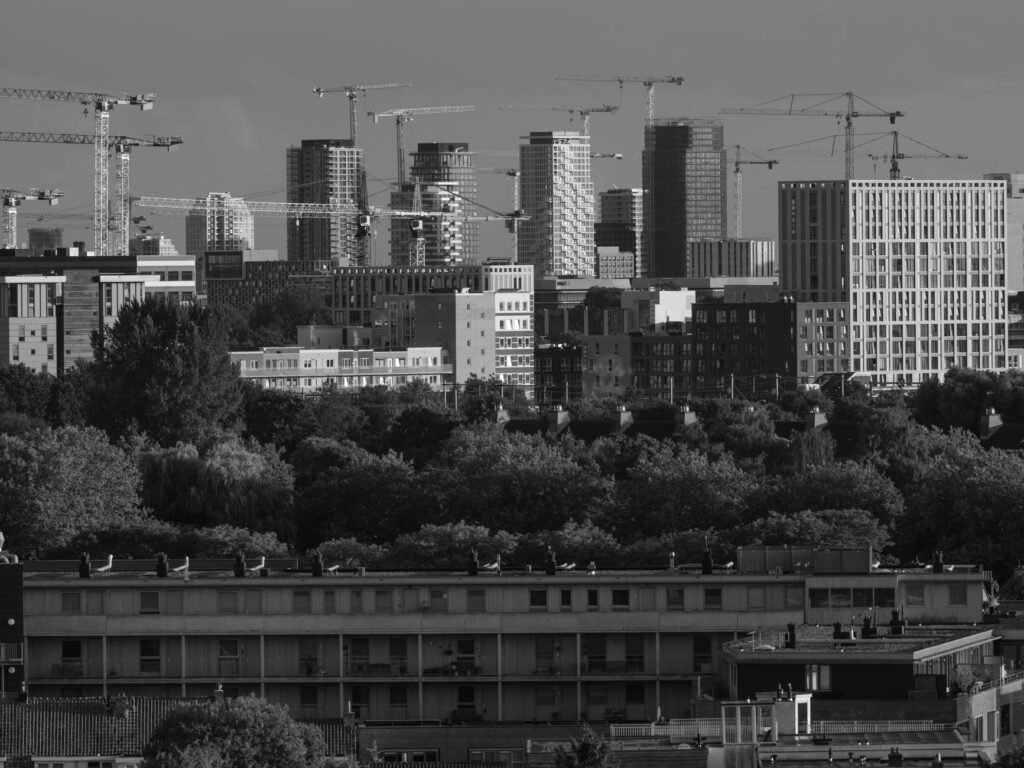
The Zuidasdok project in Amsterdam-Zuid has a confirmed funding gap of at least €1.1 billion, and decisions on how to close it keep being pushed back.
Total costs now stand at a minimum of €5.4 billion.
That is nearly four times the €1.4 billion figure agreed in 2012 by the national government, the region, and the city.
The 286 percent overrun exceeds those of other large Dutch infrastructure schemes, including the North-South metro line.
What is being built
The plan widens the A10 Zuid from three to six lanes in each direction and places the road in two tunnels.
Space above the tunnels is meant for extra train and metro tracks plus a larger Station Zuid.
Junctions at De Nieuwe Meer and Amstel are also due for upgrades, including bridges over the Amstel.
Work is already visible on the ground. The Amstelveenseweg is closed this summer between the Olympic Stadium and VU medical center while new highway viaducts go in, and the new Station Zuid hall is scheduled to open in November.
Why the bill keeps growing
Inflation, scarce materials, and a shortage of skilled workers have driven prices higher across the board.
Contractors have also grown more cautious after earlier disputes. In 2019, Heijmans, Fluor, and Hochtief left the site following arguments over rising costs and incomplete designs.
Unexpected underground cables, pipes, and structures missing from the drawings have added further delays and expense.
The official budget is now €4.3 billion against projected costs of at least €5.4 billion.
Who pays the difference
The city of Amsterdam maintains that further overruns are not its responsibility.
Under the 2012 agreement it promised a construction contribution of more than €200 million and a cap of roughly €62 million for extra costs.
National finances leave little room for a large top-up. The Netherlands needs about €80 billion extra over the next 14 years for roads, rail, and waterways, of which €34.5 billion is simply to catch up on deferred maintenance.
A decision on the still-untendered northern road tunnel is due by the end of 2026, but only once the funding shortfall is resolved.

![Top [count] Travel Blogs to Follow - OnToplist.com](https://www.ontoplist.com/images/ontoplist31.png?id=6a8dcf108f478)