
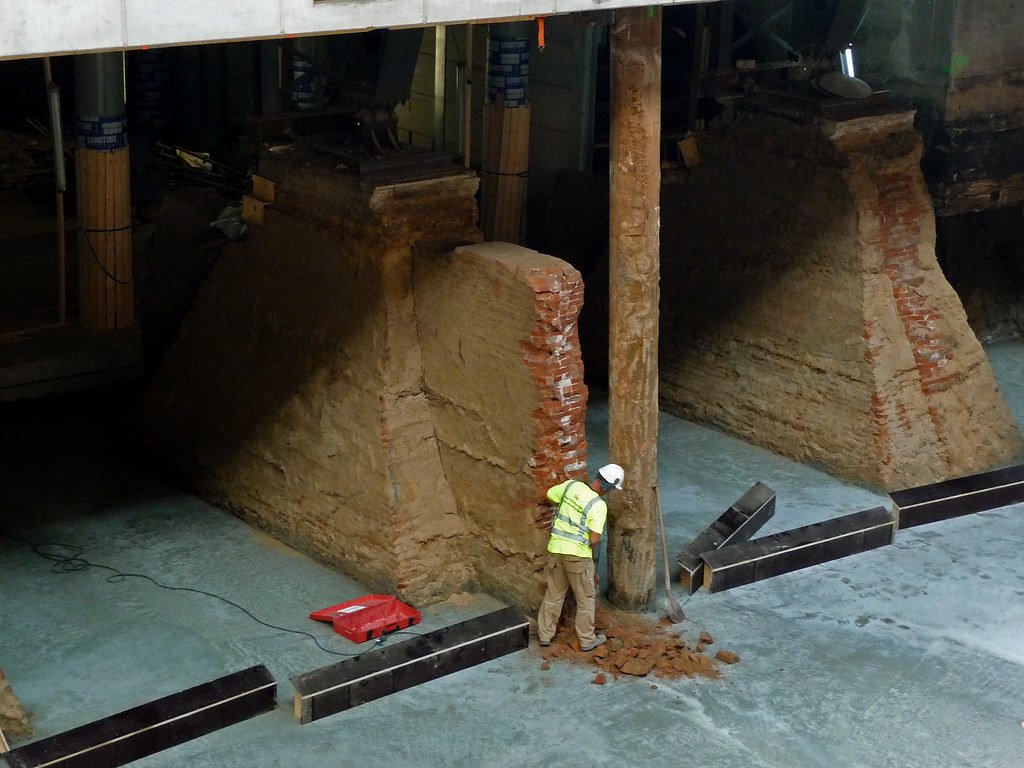
About 30 percent of Dutch construction companies say labor shortages are directly limiting their output, according to new research from the Economic Institute for Construction (EIB).
The shortage comes at a time when the sector faces record amounts of work for homebuilding and infrastructure maintenance.
Firms working in civil engineering currently have an average of 11 months of work lined up.
For residential developers, that backlog stretches to 15 months, driven by strong housing demand and needed repairs to aging bridges and tunnels.
Projects delayed across the country
Industry association Bouwend Nederland notes that staff shortages have been an ongoing issue across the country for years.
While construction firms are working at full capacity, many are becoming far more selective about which tenders they accept.
In some cases, a lack of bidding interest has forced public authorities to delay major infrastructure upgrades.
The sector also faces other operational hurdles, including severe power grid congestion and lengthy planning objection procedures that slow down new residential sites.
Robots and outreach to younger generations
To tackle the persistent shortfall, industry groups are trying to spark interest in construction careers among younger students.
Companies are also increasing their reliance on technology, such as using automated bricklaying equipment to offset the shortage of skilled stonemasons on site.
These technological shifts are already visible in local project delivery, where developers are exploring automation to keep housing pipelines moving.
However, industry representatives expect recruiting pressures to remain a long-term challenge for the sector.
If you’re hiring, find recruiters in Amsterdam in our directory.



![Top [count] Travel Blogs to Follow - OnToplist.com](https://www.ontoplist.com/images/ontoplist31.png?id=6a8dcf108f478)