
Top Amsterdam Recruiters


Bluebird Recruitment
Essentially Amsterdam Reader's Choice 2026
Bluebird Recruitment specialises in international SaaS sales recruitment and executive search, led by former software sales professionals and managers. Based in Amsterdam, it helps companies scale sales teams and has 301 Google reviews, 99% of...
View Details
Claim this listing
Your business? Claim it free - fix your details, add photos and links. One minute. Read more
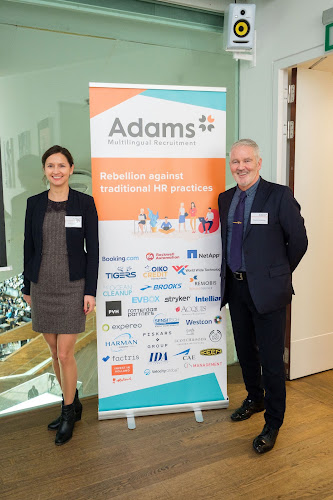
Adams Multilingual Recruitment
Essentially Amsterdam Reader's Choice 2026
Adams Multilingual Recruitment matches multilingual job seekers with international companies based in the Netherlands from its Amsterdam office. It also works as a temp agency and has 195 Google reviews, with most rated five stars.
View Details
Claim this listing
Your business? Claim it free - fix your details, add photos and links. One minute. Read more

Working Adventures
Working Adventures connects candidates with jobs abroad from Amsterdam, helping people find work in other countries. The agency has a very large review base, with 899 Google reviews and a 93% five-star score.
View Details
Claim this listing
Your business? Claim it free - fix your details, add photos and links. One minute. Read more

Uitzendbureau Hoofddorp YoungCapital
YoungCapital’s Hoofddorp uitzendbureau focuses on students, starters and young professionals, with part-time, full-time, side jobs and holiday work. It combines temp work with traineeships and career entry roles, and runs a busy local operation with...
View Details
Claim this listing
Your business? Claim it free - fix your details, add photos and links. One minute. Read more
Randstad Netherlands
Randstad Netherlands in Diemen recruits for construction roles and also supports ZZP professionals. One of the busiest staffing names in the area, it has 811 Google reviews and covers recruitment, employment agency work and HR...
View Details
Claim this listing
Your business? Claim it free - fix your details, add photos and links. One minute. Read more

Roamler
Roamler is an Amsterdam-based software and staffing company with a broad social media presence on Facebook, Instagram, and LinkedIn. It is known for combining tech services with flexible workforce support, and it has a substantial...
View Details
Claim this listing
Your business? Claim it free - fix your details, add photos and links. One minute. Read more

HeadFirst Group
HeadFirst Group in Hoofddorp provides recruitment, HR consulting and employment advice for employers and professionals. With 371 Google reviews, it is one of the more prominent names in the area and operates Monday to Friday,...
View Details
Claim this listing
Your business? Claim it free - fix your details, add photos and links. One minute. Read more

&Work (AndWork)
&Work connects candidates with jobs across ICT, sales, engineering, finance and legal, working with more than 125 employers. Based in Amsterdam, it has 297 Google reviews and a strong five-star share, and is active on...
View Details
Claim this listing
Your business? Claim it free - fix your details, add photos and links. One minute. Read more

ProfMatch – vaste banen in de techniek en procesindustrie
ProfMatch in Heiloo specialises in permanent jobs in technical roles and process industry positions. It puts technical talent in touch with employers and is active on Facebook, Instagram and LinkedIn. With 293 Google reviews and...
View Details
Claim this listing
Your business? Claim it free - fix your details, add photos and links. One minute. Read more

MrRecruit.me
MrRecruit.me in Bergen op Zoom combines recruitment and temp staffing, and has 271 Google reviews with 93% five-star ratings. It is a busy choice for employers and jobseekers alike.
View Details
Claim this listing
Your business? Claim it free - fix your details, add photos and links. One minute. Read more
Kunneman & Vandenbroek
Kunneman & Vandenbroek in Houten focuses on recruitment and HR consulting, with LinkedIn as its main social channel. It has a strong local reputation online, with 224 Google reviews and 88% five-star ratings, and opens...
View Details
Claim this listing
Your business? Claim it free - fix your details, add photos and links. One minute. Read more

JOIN Recruitment
JOIN Recruitment in Amsterdam places professionals with a strong focus on development and growth. The agency has 221 Google reviews, with 92% five-star, and is active on Facebook, Instagram and LinkedIn.
View Details
Claim this listing
Your business? Claim it free - fix your details, add photos and links. One minute. Read more
![Top [count] Travel Blogs to Follow - OnToplist.com](https://www.ontoplist.com/images/ontoplist31.png?id=6a8dcf108f478)