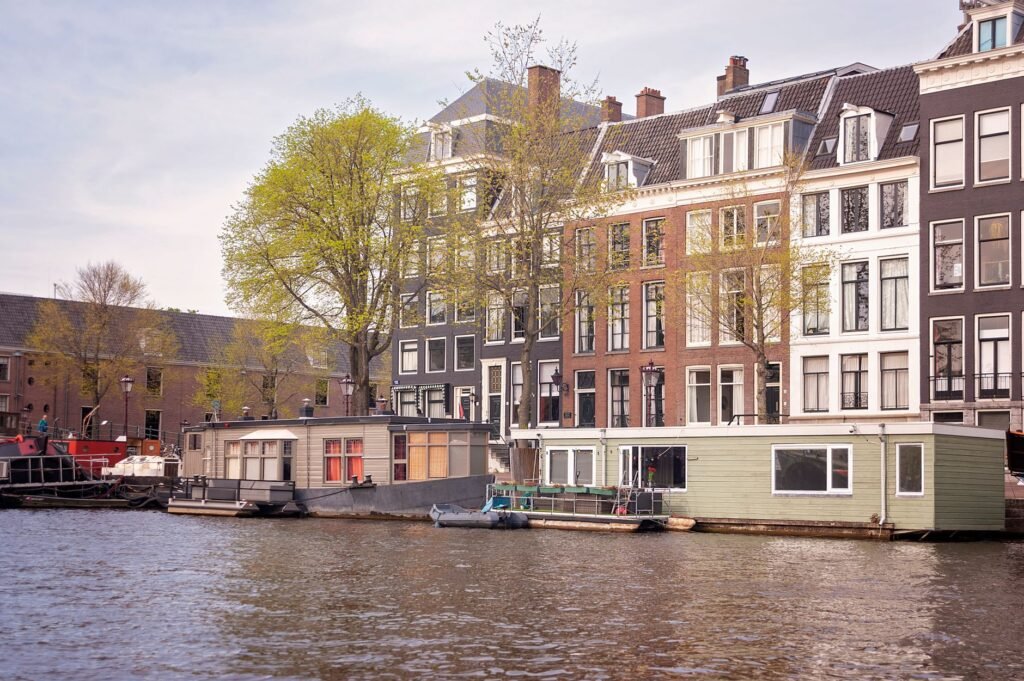
Low water levels across the Netherlands have left numerous houseboat owners dealing with severe structural damage and plumbing problems after their vessels came to rest on dry river and lake beds earlier in the season than usual.
As water recedes, many floating homes are sitting at sharp angles. Representatives from the National Water Living Organization (LWO) report that prolonged tilting causes window frames to warp, doors to jam, walls to crack, and drainage systems to fail.
Early dry spell exacerbates structural strain
While low water usually hits Dutch waterways in September, extended hot spells have brought the issue forward this summer. The drought has already prompted water boards to implement regional conservation measures and place temporary dams to manage salt levels.
When houseboats lose buoyancy and settle on uneven ground, sewage often cannot flow out properly, resulting in unpleasant odors for residents. In some areas, neighbors have had to improvise temporary flushing methods to handle wastewater until water levels return to normal.
Responsibility for costly dredging work
In locations like the Rosandepolder near Arnhem, the situation varies depending on local dredging history. Areas where municipal authorities cleared clay and silt earlier this year retain enough depth to keep vessels afloat, while un-dredged sections have dried out completely.
For many private moorings leased from the Central Government Real Estate Agency, tenants are responsible for maintenance costs. Dredging can cost tens of thousands of euros, leaving residents struggling to organize and pay for the necessary work.
Risks when water levels return
Insurers warn that rising water levels present additional hazards for stranded vessels. A boat stuck in mud can flood if water rises over the sides before the hull frees itself, or it can snap loose suddenly, causing further structural harm.
Specialists advise owners to monitor their vessels closely during extreme weather shifts rather than leaving homes unattended. Persistent dry conditions in Amsterdam and across the rest of the country mean these low water levels may remain a challenge until sustained rainfall returns.