
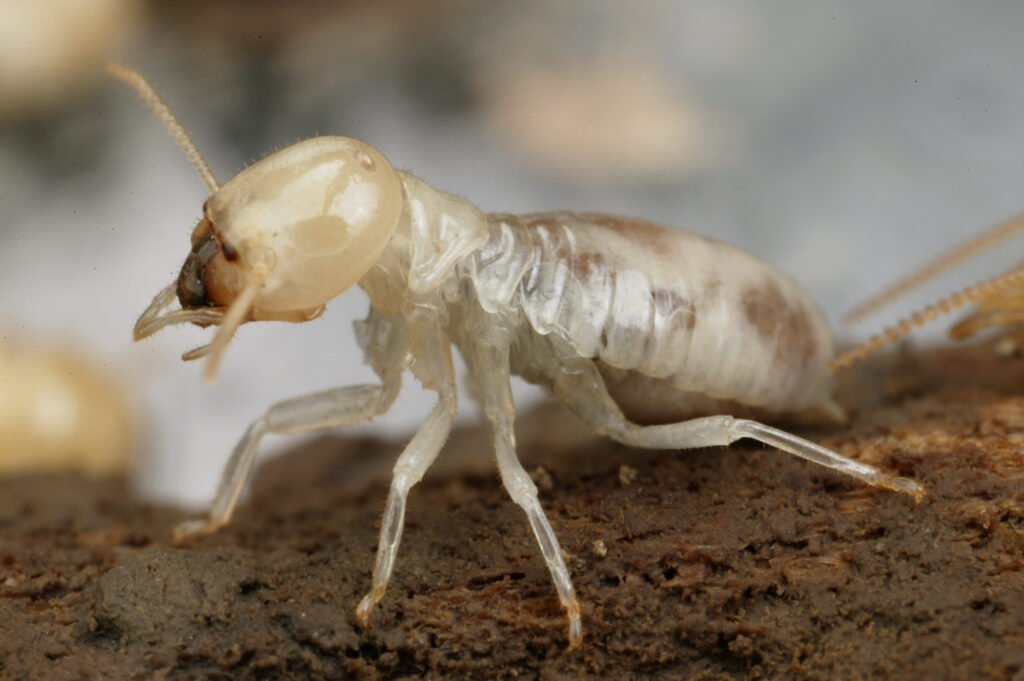
Termites are appearing with increasing frequency across the Netherlands, driven by warmer winters and international trade.
Specialists warn that the insects are establishing a permanent presence in the country, posing potential risks to wooden structures and residential properties.
The insects are primarily brought into the country via untreated timber and the root balls of imported olive trees.
According to experts, mild winters allow the pest to survive and spread, making them a long-term issue similar to traditional wood-boring beetles.
How to spot infestations
Termites measure between 3 and 10 millimeters and closely resemble ants.
However, termite soldiers feature light bodies, dark heads, and distinct pincer-like jaws.
One of the clearer signs of an active colony inside a house is the presence of brown mud tubes constructed along walls, which the insects use to travel between their nest and feeding sites.
During late summer, winged termites undertake nuptial flights to found new colonies.
While flying termites inside a home are harmless to people, experts warn that their presence indicates a hidden colony nearby.
Properties with heavy timber construction, such as timber-frame houses or buildings with original wooden support beams, face the highest risk.
Professional control and treatment
Because termites consume wood from the inside out, severe structural damage can occur long before it becomes visible on the surface.
Property owners who suspect an infestation can check exposed timber by pressing a screwdriver into the wood; if the surface yields easily, the interior may be hollowed out.
Pest management authorities strongly advise against self-treatment, which can cause the colony to scatter and worsen the problem.
Dutch regulatory bodies have granted temporary approval for professional pest controllers to use specialized targeted bait stations.
These systems allow termites to carry active agents back to their nest, safely eliminating the colony over several weeks or months.
Costs and preventative steps
Annual inspections of crawl spaces and exterior walls - particularly in late spring - can help catch infestations early before major repairs are needed.
A standard professional home inspection typically costs around €125, while specialized research and localized extermination procedures generally range from €500 to €750, excluding any subsequent structural repairs.
Property owners who encounter unfamiliar insects in their homes can submit samples to national pest advice centers for identification, helping experts track the spread of the species throughout the country.
If your home needs repairs after treatment, read our guide to hiring a contractor in Amsterdam.


![Top [count] Travel Blogs to Follow - OnToplist.com](https://www.ontoplist.com/images/ontoplist31.png?id=6a8dcf108f478)