
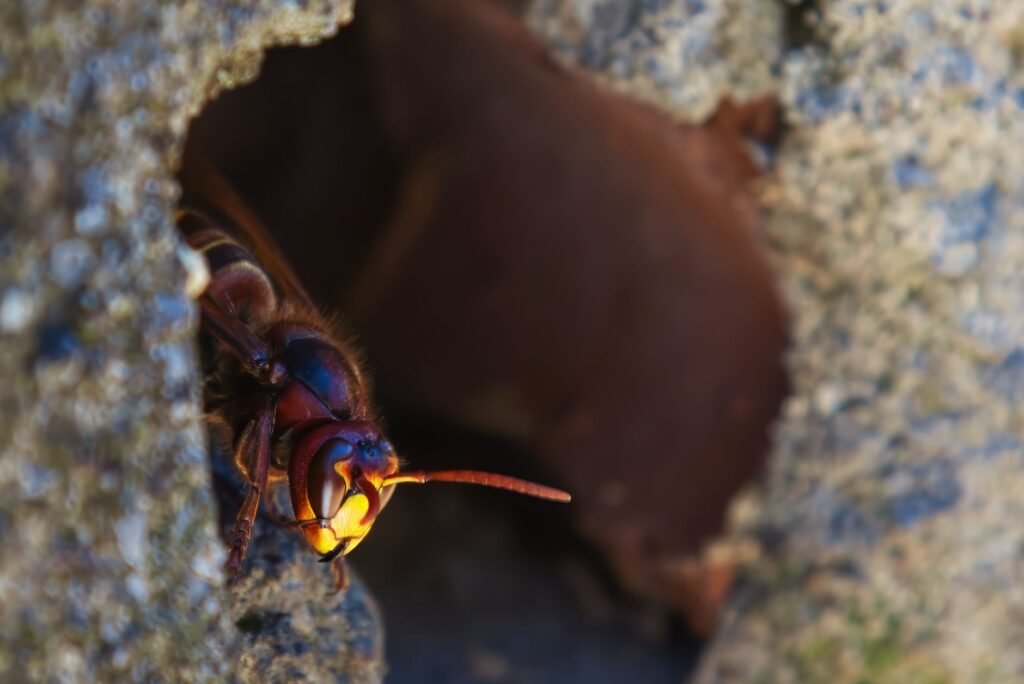
Pest controllers across North Holland are dealing with a steady increase in Asian hornet nests this summer. Specialist teams have recently cleared large nests in nearby municipalities including Purmerend, Alkmaar, and Bloemendaal.
The invasive species established a permanent foothold in the province in 2023. While provincial authorities have attempted to remove almost every reported nest since 2024, the insect population continues to grow, making complete eradication unlikely.
Targeting high-risk locations
Efforts this season are focused primarily on removing nests that pose an immediate risk to public safety or local ecosystems. In Bloemendaal, several people were attacked by a swarm of hornets, highlighting the safety concerns around established colonies.
Local beekeepers are playing a key role in tracking down and removing spring nests before they expand. The province supports these volunteers with equipment, technical knowledge, and funding, while coordinating with municipal officials to manage the response.
Threats to native wildlife
The Asian hornet poses a serious challenge to local biodiversity across the province. Honeybees are a primary food source for the species, raising concerns among environmentalists and agricultural groups about pollination rates and crop health.
The hornets are distinctly larger than common wasps, featuring a dark black body, a yellow abdomen segment, and bright yellow legs. Because they have few natural predators in Europe, their numbers have increased rapidly in recent years.
What to do if stung
A sting from an Asian hornet is typically more painful than a regular wasp sting because the insect injects a larger volume of venom. Most stings cause localized swelling and redness that can be managed with ice, pain relievers, and antihistamines.
For individuals with allergies, stings can trigger severe reactions such as severe swelling, sudden drops in blood pressure, or difficulty breathing. Health authorities advise anyone stung in the face or mouth, or experiencing signs of allergic reaction, to seek immediate medical assistance.



![Top [count] Travel Blogs to Follow - OnToplist.com](https://www.ontoplist.com/images/ontoplist31.png?id=6a8dcf108f478)