
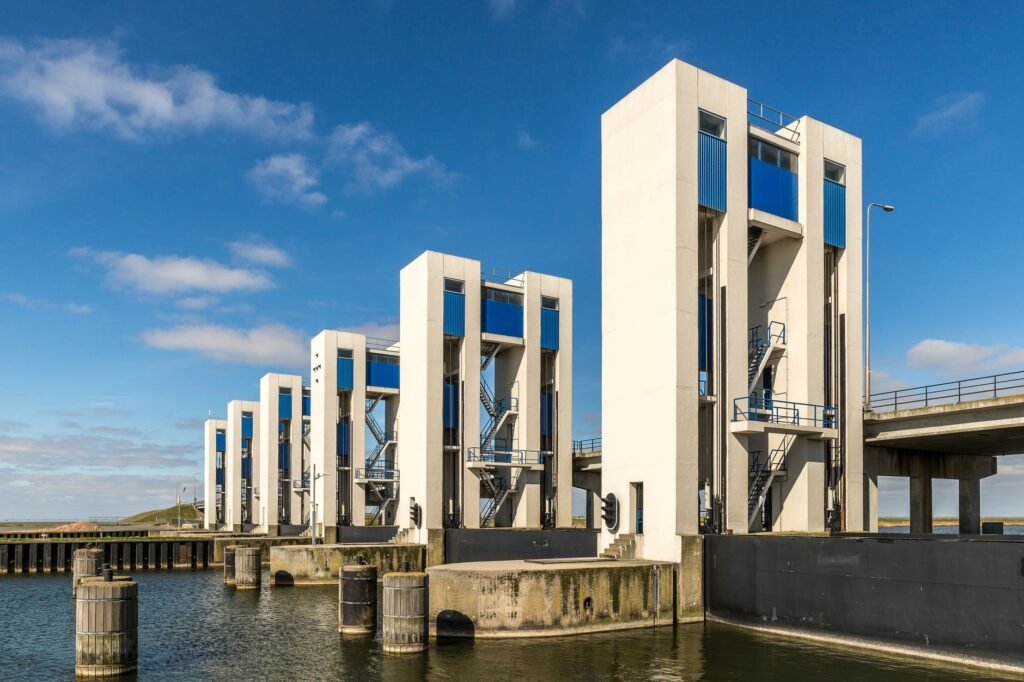
Regional water authority Waterschap Amstel, Gooi en Vecht is taking emergency measures to combat the effects of ongoing warm weather and low rainfall. Starting Friday, workers are installing a temporary sheet pile dam across the Muidertrekvaart near Muiden.
The barrier is being placed underneath the Penbrug near the Maxis shopping area. Its main purpose is to close off the canal from the Amsterdam-Rhine Canal and stop saltwater from creeping into sensitive fresh water ecosystems nearby.
Protecting the fresh water supply
Extended dry spells and high summer temperatures have reduced water flow coming down the Rhine River. Consequently, water levels in both the IJsselmeer and the Markermeer are dropping, prompting officials to act before the supply degrades.
Alongside the dam in Muiden, the water board is preparing to shut the Noordersluis lock in Weesp. Emergency pumps will also be stationed at Muiden to divert fresh water from the Markermeer through the Vecht river toward local agricultural land and natural habitat zones.
Impact on local boating
These emergency interventions directly affect recreation along the area’s waterways. Closing the canal and adjusting lock operations restricts movement for small boats and leisure craft navigating between the regional lakes and rivers.
Water board leadership acknowledged the inconvenience for boaters, noting that public cooperation is essential to keep the broader water system functioning during low-flow periods.
The authority has scaled up its internal crisis organization, assigning more personnel to monitor the region’s network of waterways.
Reinforced dikes and public advice
While peat dikes across the region can weaken as they dry out, recent reinforcement projects have made critical embankments sturdier against prolonged dry conditions. Field teams will still conduct extra inspections along vulnerable stretches throughout the coming weeks.
Local residents are being asked to conserve tap water and manage outdoor garden use carefully.
Officials recommend watering plants thoroughly once or twice a week during early morning or late evening hours rather than light daily sprinkling, and keeping trash out of ditches and canals to prevent clogging.


![Top [count] Travel Blogs to Follow - OnToplist.com](https://www.ontoplist.com/images/ontoplist31.png?id=6a8dcf108f478)