
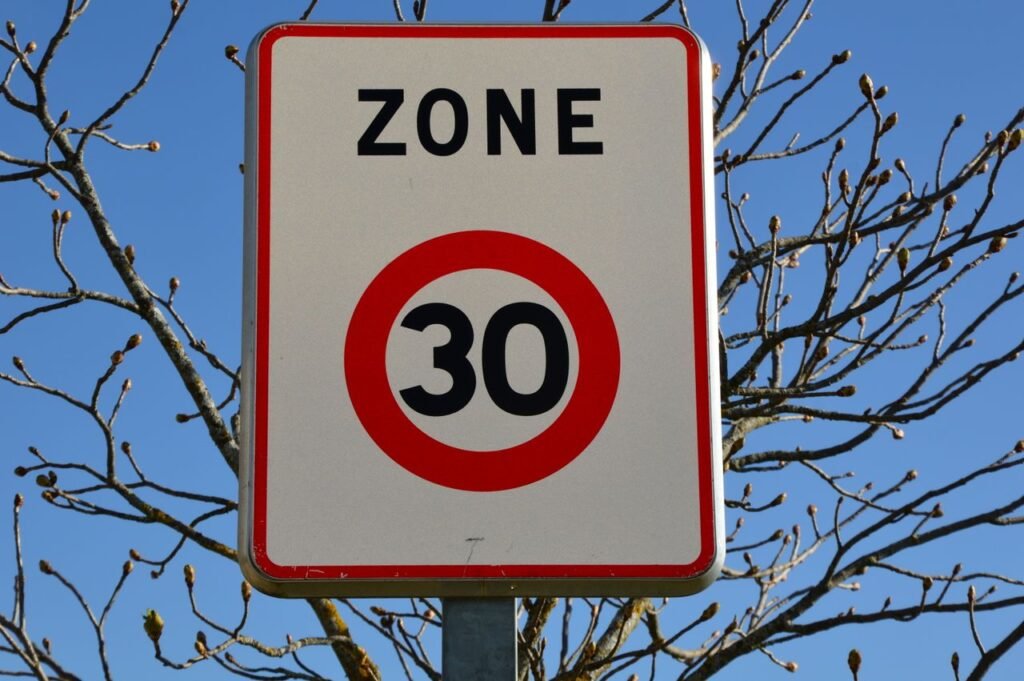
Many of the more than 4,500 sustainable 30 km/h signs Amsterdam put up three years ago are looking battered, according to Denk councillor Süleyman Koyuncu.
He posted a video on social media showing one damaged sign after another.
The signs are made from a sustainable alternative to aluminium which, he says, simply breaks when something hits it.
Hundreds of signs made of bamboo are also wearing badly, and he says they soak up water like a sponge and fall apart when squeezed.
Questions over enforcement and spending
When the limit was introduced, the city pointed to good results in Brussels, but Koyuncu notes that the Belgian capital enforces it seriously, unlike Amsterdam.
He would rather reverse the change and spend the millions involved on specific accident blackspots, with 30 km/h where it is needed and 50 km/h elsewhere.
A recent study by MIT Senseable City Lab and AMS Institute found that the signs alone do little, with cars in Amsterdam driving just 2.3 km/h slower than on comparable 50 km/h roads outside the city.
For more on getting around the city by car, check out our guide to Amsterdam’s road rules.