
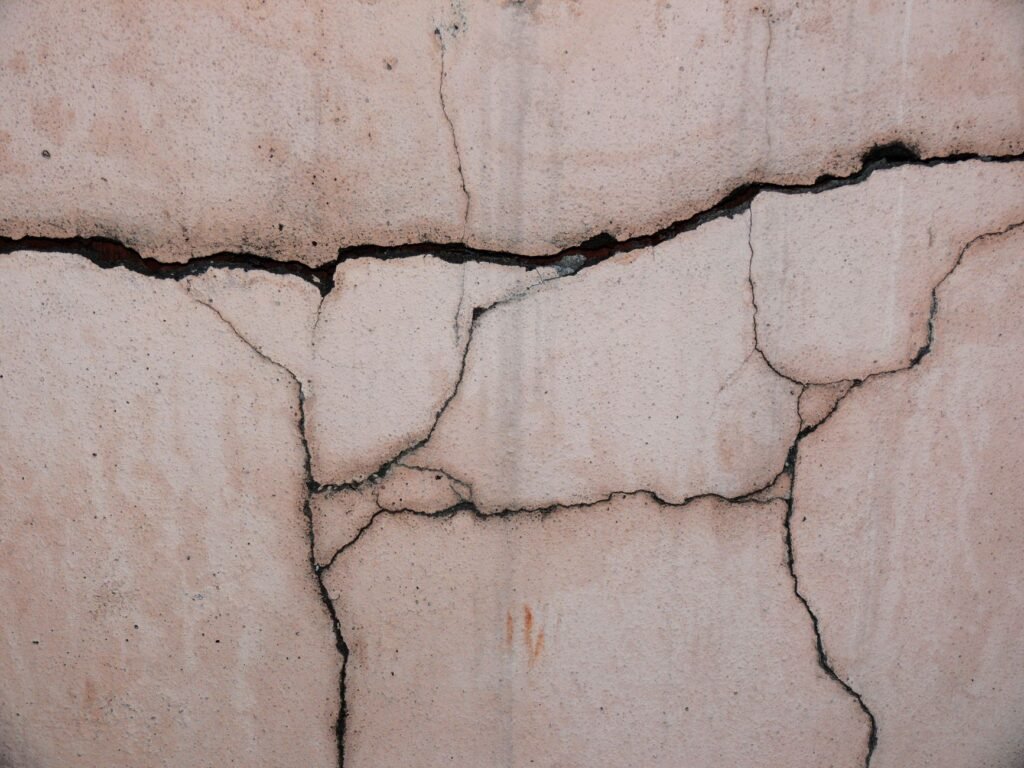
Ongoing dry weather is worsening structural issues for homeowners across the Netherlands, leading to a sharp rise in reports of foundation damage.
The Knowledge Center for Addressing Foundation Problems, known as KCAF, has received twice as many reports so far this year compared to the same period in the previous year, with officials expecting complaints to increase over the coming months.
Ground shrinking beneath structures
When dry spells persist, groundwater levels drop significantly.
In areas where the subsoil consists primarily of clay and peat, this lack of moisture causes the earth to compress and shrink.
As the soil contracts unevenly, the buildings resting directly on top of it begin to settle unevenly as well.
Property owners typically first notice the issue when doors and windows begin to jam, cracks appear in interior and exterior walls, or whole facades pull away from the frame.
Financial burden falls on owners
Damage reports are concentrated heavily in region-specific soil zones like the Groene Hart, river basin areas, Zeeland, and low-lying meadow areas in Friesland.
However, similar risks exist across large portions of the country that were historically carved out by rivers.
The structural damage can severely impact property values, with affected houses seeing an average drop of about 14 percent in market value compared to intact homes nearby.
Because property owners are legally responsible for maintaining their own foundations, all inspection and repair costs must be paid out of pocket.
Earlier drought responses have included local intervention, such as when water authorities installed temporary pumps and closed sluices in nearby water systems to manage declining levels.
While the KCAF directs homeowners toward specialized repair contractors and testing services, the organization is also pushing national authorities to address the growing issue on a governmental level.
If you’re considering foundation repairs, start with our tips for hiring a contractor in Amsterdam.


![Top [count] Travel Blogs to Follow - OnToplist.com](https://www.ontoplist.com/images/ontoplist31.png?id=6a8dcf108f478)