
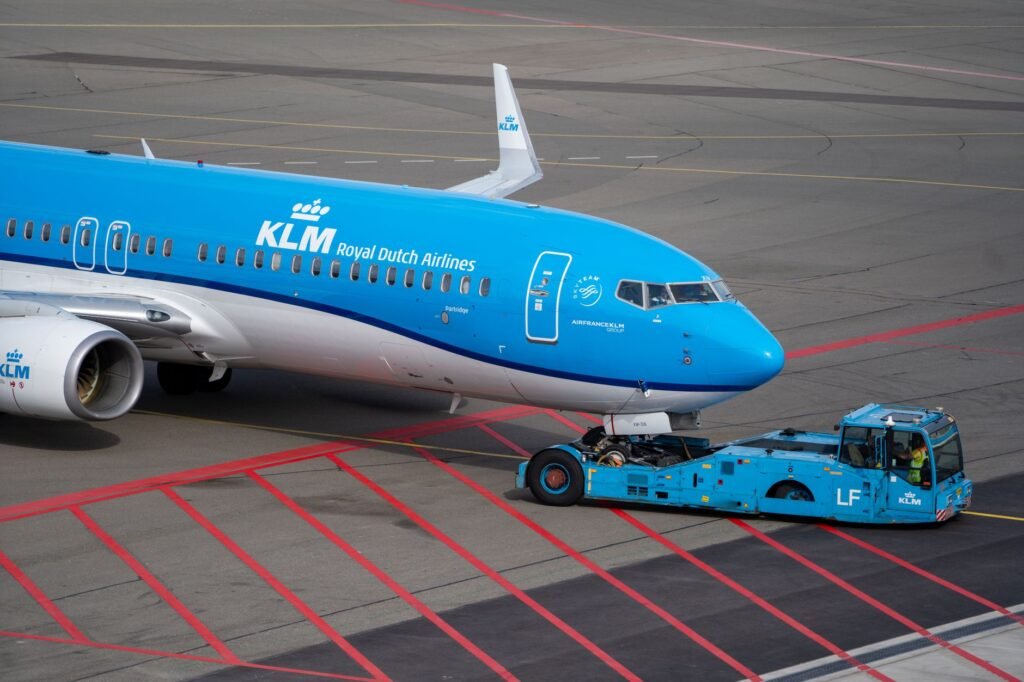
KLM reported an operating profit of €176 million for the second quarter, marking a slight increase from the €173 million recorded during the same period last year.
Higher fuel costs hit the aviation industry following regional instability in the Middle East, but the Dutch carrier successfully passed on most of those expenses to travelers.
Surging demand for Asian routes
Disruptions in Middle Eastern airspace meant competing airlines operated fewer flights between Europe and Asia.
This shift allowed KLM to charge higher fares on its long-haul routes into Asian destinations, where customer demand remained high despite elevated ticket prices.
Parent company Air France-KLM initially expected to cover only 60 percent of its increased fuel costs, but strong ticket sales allowed it to offset 85 percent of those expenses.
The group also benefited from fuel hedging contracts secured before market prices climbed, giving it a price advantage over several international competitors.
Challenges closer to home
While long-haul flight revenues grew by 11 percent, performance across European destinations was much more constrained.
Short-haul revenue rose by just 4 percent, as intense competition from regional budget airlines and rail services prevented carriers from raising ticket prices as aggressively.
Budget subsidiary Transavia posted a loss of €35 million for the quarter, despite operating more flights and adding extra aircraft to its fleet.
Cargo operations saw a revenue jump of over 25 percent, driven by businesses choosing air freight over ocean shipping to ensure reliable delivery schedules.


![Top [count] Travel Blogs to Follow - OnToplist.com](https://www.ontoplist.com/images/ontoplist31.png?id=6a8dcf108f478)