
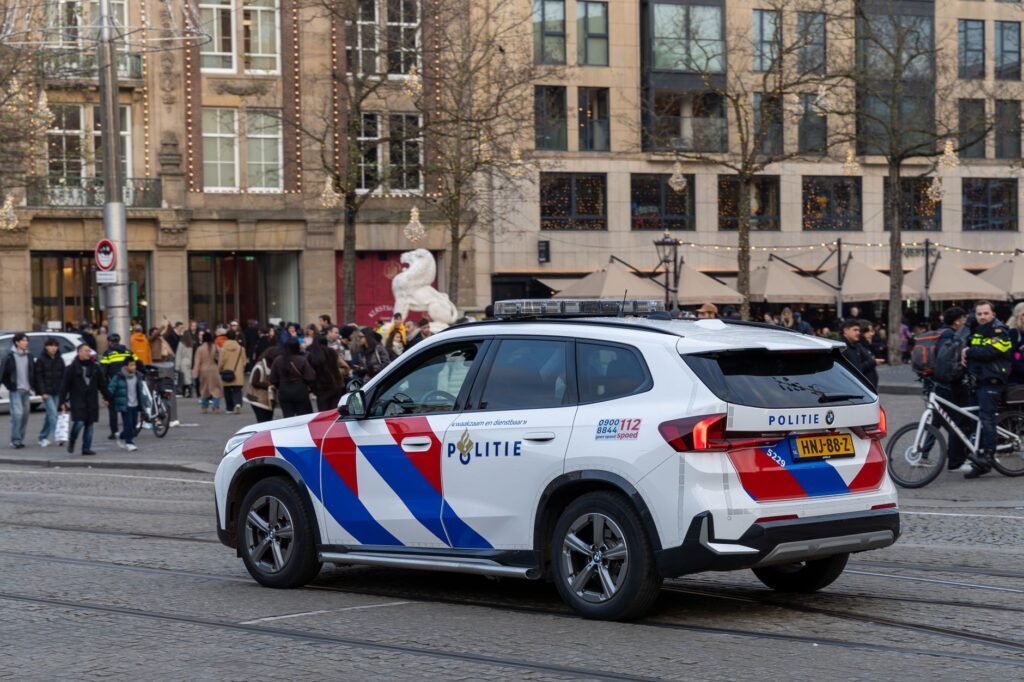
Dutch police and prosecutors plan to introduce a new traffic penalty points system by the end of this year, targeting tens of thousands of drivers who repeatedly break road rules.
Under the new setup, penalty points will be recorded alongside standard monetary fines, adding an extra layer of consequences for driver misconduct.
If a driver accumulates six points within a single year, they will be placed on an official registry of repeat offenders.
How the points work
Lesser infractions, such as using a phone while driving or failing to wear a seatbelt, will result in one penalty point in addition to the standard fine.
More serious violations that require a court appearance or prosecutorial intervention, such as drunk driving or causing a major collision, will carry two to three points.
Automatic speed camera checks will not trigger penalty points, meaning the system primarily relies on violations caught directly by officers.
Officials are still refining the precise details, but drivers who hit the threshold may be required to take mandatory retraining courses run by the CBR, the national driving license authority.
Targeting persistent offenders
Police also hope to use automated number plate recognition cameras to track registered repeat offenders, though this measure faces legal and privacy scrutiny.
Data analysis indicates that roughly 30,000 drivers across the Netherlands would have met the six-point threshold last year had the system already been active.
Research from Vrije Universiteit and Utrecht University showed that warning letters do little to change the behavior of chronic offenders, concluding that stricter penalties like license suspensions are far more effective.
The Netherlands currently operates two separate points systems, one for novice drivers during their first few years on the road and another specifically for driving under the influence.


![Top [count] Travel Blogs to Follow - OnToplist.com](https://www.ontoplist.com/images/ontoplist31.png?id=6a8dcf108f478)