
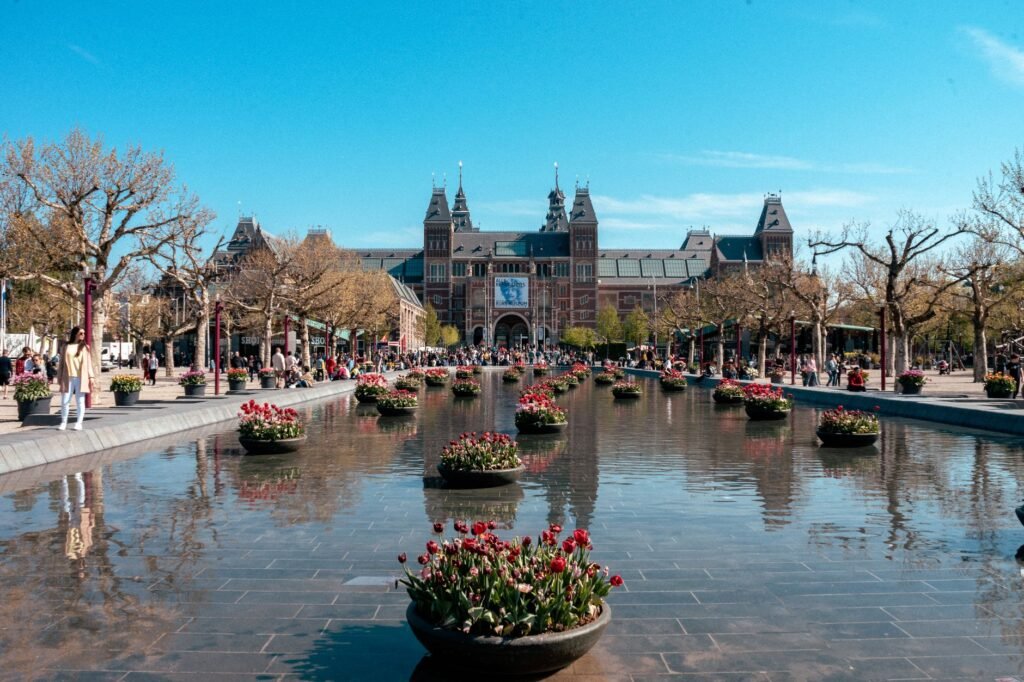
A series of AI-generated videos on TikTok has been promoting fake ticket sales for the upcoming Amsterdam Museum Night, months before the official sale actually opens.
The videos used unauthorized digital likenesses of Dutch celebrities, including comedian Hans Teeuwen and influencer Rachel John, to trick users into buying tickets.
The accounts directed viewers to an external site charging €65 per ticket, whereas official entry passes were priced at €25 during last year’s event.
Fake promotions removed
Organizers at Stichting Museumnacht confirmed that the tickets offered were completely fake because official sales have not yet started.
Following media inquiries, TikTok removed the videos and closed the offending channel, but the organizers have spent months attempting to get the unauthorized sales website taken down completely.
This type of ticket scalping and artificial promotion is a recurring issue for the annual event.
Organizers note that third parties regularly try to snap up large batches of tickets as soon as real sales open, which violates the event’s terms of service.
How to spot ticket scams
Determining criminal liability in these cases can be complex for the police.
If buyers pay money and receive no ticket at all, it constitutes fraud.
However, if a buyer actually receives a valid ticket after paying an inflated price, it is considered a civil contract dispute rather than a criminal offense.
Deepfake experts advise social media users to check creator profile pages carefully before making purchases.
Indicators of a scam include disclaimers stating the account is unaffiliated with the official venue, high markup prices, and platform tags indicating that content was generated using artificial intelligence.
Worried about a ticket purchase? Read our guide to consumer rights in the Netherlands.


![Top [count] Travel Blogs to Follow - OnToplist.com](https://www.ontoplist.com/images/ontoplist31.png?id=6a8dcf108f478)