
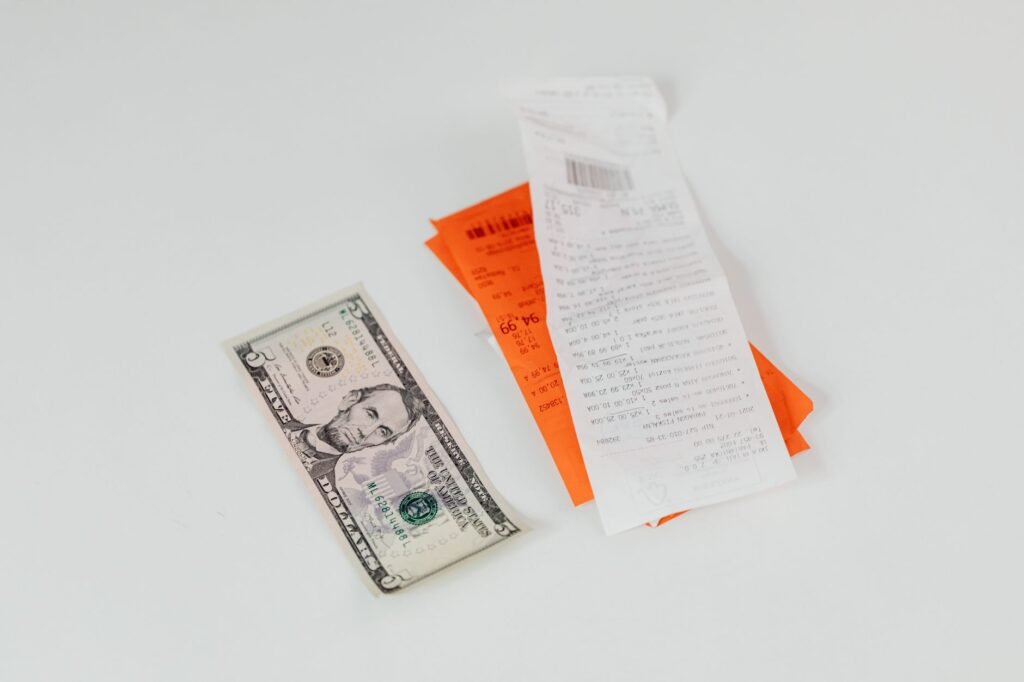
Dutch law does not give you a fixed warranty period.
It gives you a right to a product that lasts as long as you could reasonably have expected it to, which for an expensive appliance is considerably longer than two years.
That principle - conformity, in Article 7:17 of the Burgerlijk Wetboek - is what makes Dutch consumer protection stronger than the EU minimum.
The Autoriteit Consument en Markt enforces it, and it fines companies that ignore it.
Faulty Goods And What The Seller Owes You
The seller, not the manufacturer, is your counterparty.
Take the problem to the shop that sold it to you, even years later, and even if the manufacturer’s own guarantee has expired.
A defect appearing in the first year is legally presumed to have been there at purchase.
You prove nothing; the seller has to disprove it or fix it.
After the first year the burden moves to you, but the test is still what the product should reasonably do.
An expensive appliance that fails after three years is not obviously beyond its expected life, and that argument is one Dutch courts take seriously.
Ask first for repair or replacement, free of charge and within a reasonable time.
If the seller cannot or will not, you can demand a price reduction or cancel the purchase entirely and get your money back.
Report the fault within a reasonable time of discovering it, in writing.
Your claim then expires two years after that notification, so notifying early protects the clock as well as the argument.
A commercial guarantee from the shop or the manufacturer sits on top of these rights and cannot replace them.
“Out of warranty” is a statement about their policy, not about your legal position.
Buying At A Distance
Orders placed online, by phone or at your door carry a 14-day cooling-off period running from the day you receive the goods.
You cancel for any reason or none, and you do not have to explain yourself.
The seller must tell you about that right before you complete the purchase.
If they did not, the period extends to twelve months - the distance selling rules apply to every Dutch webshop and to foreign sellers selling into the Netherlands.
The exceptions are narrow: perishables, opened hygiene items, personalised goods, unsealed audio and video recordings, and digital content you have started using after giving explicit consent.
Everything else is returnable.
Delivery must happen within 30 days unless you agreed otherwise.
If it does not, set a reasonable further deadline in writing, and cancel for a full refund if that passes.
Refunds are due within 14 days of cancellation.
The ACM pursues pre-ticked boxes and fees that appear only at checkout, so both are worth reporting when you meet them.
Unfair Terms, Prices And Data
Book 6 of the Civil Code carries a black list of contract terms that are automatically void and a grey list of terms presumed unfair unless the trader proves otherwise.
A clause removing your right to go to court, or letting the seller raise the price without letting you cancel, falls in the first category.
Terms and conditions must be given to you before or at the point of purchase, in language you can understand.
Conditions you were never shown are not binding on you.
The total price, taxes included, must be shown before you buy.
Drip pricing, where charges surface at checkout, is an unfair commercial practice under Articles 6:193a to 6:193j - as are fake urgency, invented scarcity, fabricated reviews and misleading claims.
Your personal data is covered by the GDPR, enforced here by the Autoriteit Persoonsgegevens.
You can demand access to what a company holds on you, have it corrected, and have it deleted.
Rules change, so check what is changing this year before relying on an older summary.
Where To Take A Complaint
Start with the trader, in writing.
Send it by email with a read receipt or by registered post, cite the Civil Code article you are relying on, and set a deadline of 14 to 30 days.
ConsuWijzer, the ACM’s consumer portal, gives free advice on what your position actually is and feeds patterns of misconduct back to the regulator.
It does not take up individual cases for you.
For binding resolution, use the sector’s Geschillencommissie - there are separate committees for telecoms, travel, energy, construction and many others.
De Geschillencommissie charges a filing fee of roughly €25 to €127.50 depending on the sector, and its decisions bind the business.
For a trader in another EU country, Norway or Iceland, the European Consumer Centre Netherlands gives free advice and mediates, as part of the wider ECC network.
Claims up to €25,000 go to the kantonrechter, the subdistrict court, where you may represent yourself without a lawyer.
For anything larger or more complex, an Amsterdam lawyer who works in consumer law is the next step.
Keep every message, every date and every reference number from the first contact.
A complete file is what makes escalation quick, and its absence is what makes it fail.
Frequently Asked Questions
What are the return and refund periods for online and in-store purchases?
Online you have 14 days to return for any reason, with refunds due within 14 days of cancellation.
In a shop there is no automatic right of return unless the item is faulty, and any returns policy is the shop’s own choice.
How do I file a complaint, and who enforces the rules?
Write to the business first with a clear deadline, then report to ConsuWijzer or file with the relevant Geschillencommissie.
The ACM enforces consumer and competition law nationally.
How long is the warranty on a faulty product?
There is no fixed period; the standard is how long the product should reasonably have lasted, given its price, type and description.
Your remedies are repair, replacement, a price reduction or a refund, depending on what is proportionate.
Can I always cancel an online order within 14 days?
Almost always, without giving a reason, and the period extends to twelve months if the seller never told you it existed.
Perishables, opened hygiene items, personalised goods and digital content you have started using are the main exceptions.
What protects me from unfair terms and misleading advertising?
Black-listed contract terms are void automatically and grey-listed ones are presumed unfair unless the trader shows otherwise.
Misleading advertising, fake urgency and aggressive selling are prohibited by the unfair commercial practices rules and reportable to the ACM.
How do I resolve a dispute without going to court?
Use the sector’s Geschillencommissie for binding alternative dispute resolution at a modest filing fee.
For a cross-border trader, ECC Netherlands mediates free of charge.
Related reading
In the news
- Talpa refunds viewers after Ajax match stream fails 21 August 2026
- Babboe owners advocate for claims in Accell bankruptcy 13 August 2026
- Scammers target Amsterdam Museum Night with AI videos on TikTok 13 August 2026
- Dutch bike manufacturer Accell declared bankrupt 11 August 2026
- Safety concerns raised in Netherlands over popular squishy toys 11 August 2026


![Top [count] Travel Blogs to Follow - OnToplist.com](https://www.ontoplist.com/images/ontoplist31.png?id=6a8dcf108f478)