
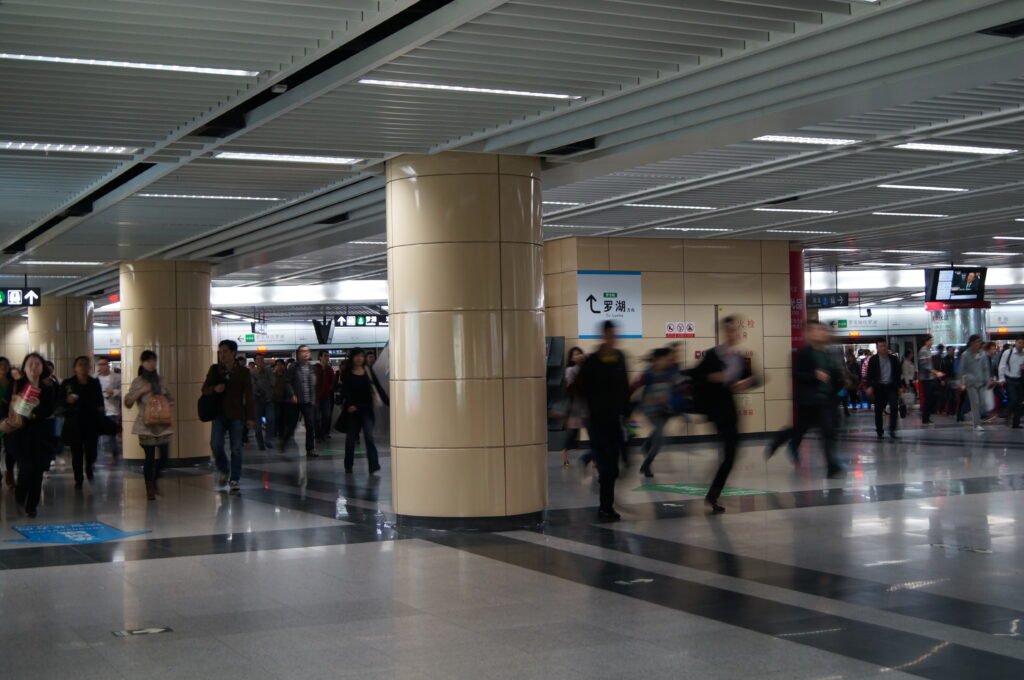
National rail operator NS expects trains across the country to become significantly busier in September as workers return from summer holidays and the academic year begins in higher education.
Daily passenger numbers are projected to reach around 1.3 million on workdays, up from roughly 1.2 million per day last spring. On peak days like Tuesdays and Thursdays, typical office days for hybrid employees, passenger numbers could reach 1.4 million.
Crowds are expected to be heaviest during morning rush hours from 6:30 to 9:00 a.m. and evening rush hours from 4:00 to 6:30 p.m.
Measures to handle passenger crowds
To manage the surge, NS is deploying 169 extra carriages throughout September and expanding off-peak discounts to services running just before and after peak hours.
The operator is also standardising train lengths, shortening very long ten-carriage trains to eight carriages and extending shorter four-carriage trains to six. The adjustment aims to prevent severe crowding if a long train is cancelled and replaced by a shorter service.
Rail officials note that student attendance is typically highest in early morning lectures during the first month of term before tapering off.
Road traffic peaks later in autumn
While the rail network faces its busiest month in September, peak road congestion is not expected until October and November.
Traffic organisation ANWB anticipates 10% to 15% fewer cars on the road in September compared to later autumn months, largely because travellers without school-age children take holidays during this time.
Normal peak days in October and November regularly see up to 650 kilometres of traffic jams, which can reach 1,000 kilometres or more during severe weather.
![Top [count] Travel Blogs to Follow - OnToplist.com](https://www.ontoplist.com/images/ontoplist31.png?id=6a8dcf108f478)