
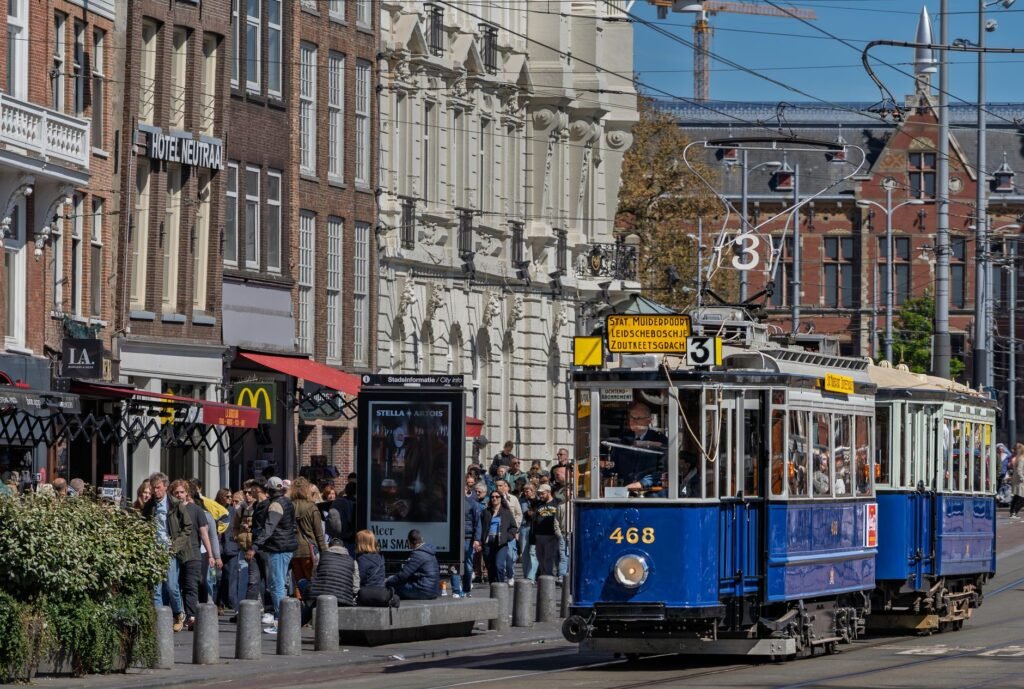
Internal tension is rising within GVB as the Amsterdam public transport operator considers changing how conductors are deployed on city trams.
Under proposals being discussed internally, dedicated conductors could be removed from some fixed tram positions and merged into broader mobile service and safety teams.
This shift would mean staff members hop on and off trams during routes rather than remaining stationed inside a dedicated cabin for the entire journey.
Concerns over safety and fare evasion
The GVB works council has expressed strong reservations about the potential changes in an internal message to staff.
Employee representatives warn that reduced staff visibility could lead to lower social safety for passengers and drivers, increased vandalism, dirtier vehicles, and higher rates of fare evasion.
They also raised concerns about late-night routes with low passenger counts, where a visible staff presence often helps travelers feel secure.
Staff shortages driving structural review
GVB has been dealing with an aging workforce and persistent staff shortages for several years, alongside the financial challenge of maintaining full conductor coverage across its network.
Currently, most tram lines in Amsterdam operate with conductors, with only lines 5, 19, and part of line 26 running with just a driver.
The company confirmed it is reviewing its service and safety structure but stressed that no final decisions have been made.
A history of changing tram staffing
A spokesperson for GVB noted that the organization is currently in an exploratory phase and actively gathering input from employees to shape any future proposals.
Conductors originally disappeared from Amsterdam trams in the 1970s to cut costs, but GVB began reintroducing them in 1993 following widespread issues with aggression, vandalism, and safety.
The works council pointed out that newly ordered trams no longer feature built-in conductor desks, signaling a long-term design shift in how service is delivered on the rails.
For help getting around, see our guide to Amsterdam buses and trams.



![Top [count] Travel Blogs to Follow - OnToplist.com](https://www.ontoplist.com/images/ontoplist31.png?id=6a8dcf108f478)