The Netherlands runs on debit cards and a payment system almost no other country uses, and the practical consequence for a newcomer is that a foreign card and a foreign IBAN will fail at the exact moments you need them.
This guide covers which account to open, the BSN problem and the way around it, how iDEAL and Tikkie work, and what US citizens have to deal with on top.
Which Bank
ING, ABN AMRO and Rabobank hold most Dutch consumer accounts between them, all three run their apps and online banking in English, and all three give you an NL IBAN - which is what employers, landlords, the tax authority and health insurers expect.
Dutch current accounts are not free.
Each bank charges a monthly package fee of a few euros covering the account, a debit card and the app, with student and youth accounts discounted or waived.
Bunq is a Dutch digital bank you can open from a phone before you arrive, and it issues an NL IBAN - which is the whole point of it.
It allows a grace period before you supply your BSN, and that window is what makes it useful.
N26 is popular with internationals but issues a German IBAN.
SEPA rules forbid discrimination between euro-area IBANs, and Dutch payroll systems and direct-debit forms still reject them often enough that it is not worth the argument as your main account.
Wise and Revolut are for holding and converting currencies, not for being paid a Dutch salary into.
The common arrangement is a Dutch bank for daily life and one of these alongside it for moving money across borders.
Opening The Account
A traditional Dutch bank will ask for a valid passport or EU ID card, your BSN, and proof of a Dutch address, sometimes with an employment contract or university enrolment.
The BSN is issued when you register with the municipality, and that is where the sequence breaks: registration appointments can be weeks out, employers want an account to pay into, and landlords want a first month’s rent.
The route through is to open a Bunq account online on arrival, use it for rent and salary, and move to a traditional bank once your BSN comes through if you want branch access or a mortgage relationship.
The appointment itself takes about half an hour, and the card and online banking credentials arrive by post within roughly a week - allow for that gap.
If you hold the 30 per cent ruling, say so when you open the account; it changes nothing about the account itself, but some banks route expat customers to advisers who understand the tax position.
How Dutch Payments Actually Work
iDEAL handles the overwhelming majority of Dutch online payments and is not a card network: you select your bank at checkout, approve the payment in your banking app, and the money moves directly between accounts.
Webshops, utilities, the tax authority and municipal services all use it, and a foreign card frequently is not offered as an alternative.
Tikkie is how people split bills - a payment request sent by WhatsApp or text, settled by tapping the link and confirming in your app.
“I’ll send you a Tikkie” is ordinary Dutch, and refusing to use it marks you out faster than your accent.
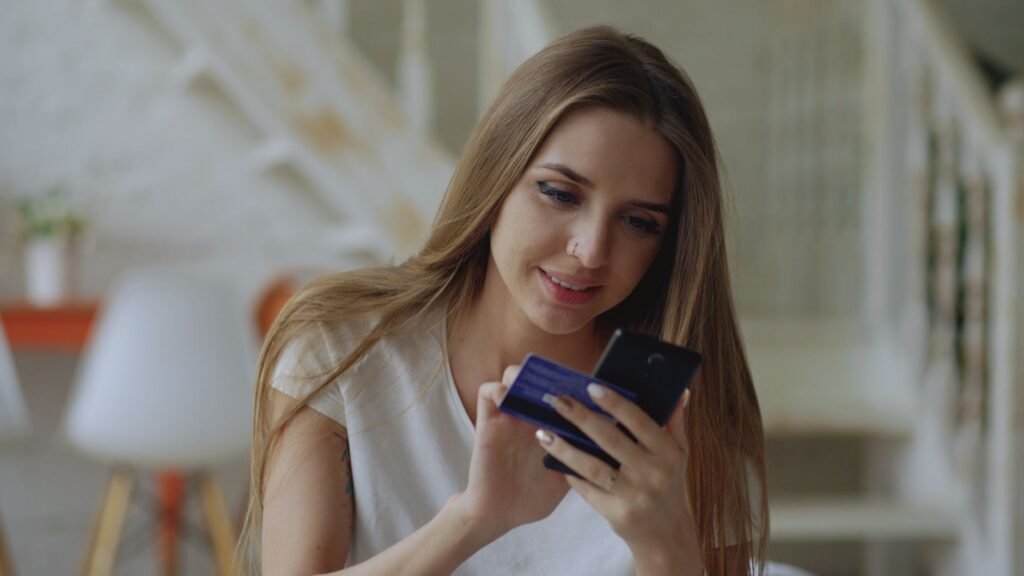
In shops, the default is the debit card and PIN, to the point that pinnen is the verb for paying.
The card story has changed and older advice has not caught up: Maestro was retired and Dutch banks now issue debit cards on Mastercard Debit or Visa Debit, which work internationally in a way the old cards did not.
What has not changed is that credit cards are frequently refused - by markets, small cafés, some supermarkets and many independent shops - so carry the Dutch debit card and treat the credit card as the backup.
Cash is genuinely rare, and a minority of businesses no longer accept it at all.
Security And Cross-Border Money
Dutch banks use two-factor authentication as standard, via the banking app or a physical card reader, and no Dutch bank will ever ask for a code, PIN or password by phone, email or message.
The prevailing local fraud is the WhatsApp message from a “family member” with a new number asking you to pay an urgent bill - call the actual number before you pay anything.
For international transfers, a bank-to-bank wire between the Netherlands and the US is slow and expensive relative to Wise or Revolut, both of which can be topped up by iDEAL from your Dutch account for near-instant conversion.
US citizens face FATCA: Dutch banks must identify and report American account holders to the IRS, so expect additional forms and, at some institutions, a flat refusal to open investment accounts.
Keeping a US address on file with your American bank is the practical way to avoid having those accounts closed while you are abroad.
Frequently Asked Questions
Can I open an account before I have a BSN?
With Bunq, yes - it issues a Dutch IBAN and allows a period before the BSN is required.
Traditional banks will not open a current account without one.
Do Dutch bank accounts cost money?
Yes - a monthly package fee of a few euros at each of the major banks, covering the account, card and app.
Student and youth accounts are cheaper or free.
Will a German or Belgian IBAN work?
It should, and often it does not.
Dutch payroll and direct-debit systems reject non-NL IBANs frequently enough that a Dutch IBAN is worth having as your primary account.
What is iDEAL?
The Dutch online payment standard, working directly from bank account to bank account through your banking app rather than through a card network.
Most Dutch sites offer it and many offer nothing else.
Are my old Maestro cards still relevant?
No - Maestro has been retired, and Dutch debit cards now run on Mastercard Debit or Visa Debit.
Credit cards are still refused by many shops, so carry the debit card.
What do US citizens need to know?
FATCA means Dutch banks report American account holders to the IRS, which brings extra forms and occasional refusals on investment products.
Keep a US address with your American bank so those accounts stay open.
Related reading
- Amsterdam Mortgage Guide For Expats: What To Know First
- Amsterdam 30 Percent Ruling Guide For Expats