Amsterdam-Oost is the city district east of the centre, running from the Oosterpark and the Dapperbuurt out to the Eastern Docklands, Watergraafsmeer and the new islands of IJburg.
It is where much of everyday Amsterdam happens: markets, parks, schools, and a mix of old working-class streets and new waterfront housing.
This guide covers where Amsterdam Oost is, its history, what to do and eat, its markets, how to get there, and what the official figures say about living there.
Where Amsterdam-Oost is
Oost begins just beyond the Plantage and the Singelgracht, east of the Amstel, and stretches east to the IJmeer.
CBS divides it into fifteen districts, which group into a few areas:
- The nineteenth-century ring: the Oosterparkbuurt, the Dapperbuurt, the Transvaalbuurt and the Weesperzijde along the Amstel.
- The Indische Buurt, with streets named after islands and places in Indonesia, around the Javastraat.
- The Oostelijk Havengebied, the Eastern Docklands: the Java-eiland, the KNSM-eiland and Borneo-Sporenburg, old harbour piers rebuilt as housing.
- Watergraafsmeer, a drained polder with Park Frankendael, Middenmeer and Betondorp, and Science Park on its eastern edge.
- Zeeburgereiland and IJburg, the newest parts of the city, with their own IJburg guide.
The Plantage, with Artis and the Hortus Botanicus, sits just west of Oost and officially belongs to Centrum; see our Amsterdam-Centrum guide.
A short history
The streets around the Oosterpark were built in the late nineteenth century for the workers of a fast-growing city, much like De Pijp in the south.
The Oosterpark itself opened in 1891, and the colonial institute beside it now houses the Wereldmuseum Amsterdam, formerly the Tropenmuseum.
Betondorp, the “concrete village” in Watergraafsmeer, was built in the 1920s as an experiment in building homes from concrete.
From the late 1980s the disused harbour piers of the Eastern Docklands were turned into housing, and from the late 1990s the city began building IJburg on new islands in the IJmeer.
Things to do in Amsterdam-Oost
The Oosterpark is the district’s central park and hosts festivals and events in summer; the Flevopark further east is larger and quieter.
Park Frankendael in Watergraafsmeer has a historic country house and formal gardens.
The Wereldmuseum Amsterdam on the Linnaeusstraat is the big museum of the district.
The Black Archives, a documentation centre on Black history, keeps its listing with us at the Zeeburgerdijk, as do the cultural centres Mezrab on the Veemkade and De Meevaart on the Balistraat.
The Eastern Docklands are worth a walk or a bike ride for the architecture alone.
With many families in the district, our Amsterdam playgrounds map is useful here, and What’s On in Amsterdam lists this week’s events across Oost.
Where to eat and drink
The Javastraat and the Dapperstraat are the busiest eating streets, with Turkish, Moroccan, Surinamese and many other kitchens side by side.
Browse our directory of Amsterdam restaurants, Turkish restaurants and Surinamese restaurants.
A few businesses in Oost keep their own listing up to date with us:
- Cafe Wu, a Chinese restaurant on the Dapperstraat.
- Greek Me Up, on the Dapperstraat.
- La Douzaine, a seafood restaurant on the Javastraat.
- Moche Amsterdam, a Latin American restaurant on the Linnaeuskade.
- Omri eat & drink, on the Krugerplein in the Transvaalbuurt.
- Brouwerij Poesiat & Kater, a brewery and restaurant on the Polderweg.
- Dakterras GAPP, a roof terrace on the Eerste Ringdijkstraat.
- Café Blooker, on the Amstelplein.
- Restaurant Cancún, on the Veelaan in the Eastern Docklands.
Markets
The Dappermarkt runs along the Dapperstraat from Monday to Saturday, with about 200 stalls of food, fabric and household goods.
For other days and other districts, see Amsterdam markets by day or the markets open this week.
Getting there and around
Metros 51, 53 and 54 run from Centraal Station through Weesperplein to Wibautstraat and Amstelstation on the western side of the district.
Tram 14 runs from the Dam past Waterlooplein and Artis, through the Alexanderplein and the Javaplein to the Flevopark.
Tram 1 runs from the Alexanderplein through the Czaar Peterstraat to the Eastern Docklands, ending at the Azartplein, and tram 26 runs from Centraal Station along the docklands to IJburg.
Tram 19 ends at Muiderpoortstation, tram 25 runs along the Wibautstraat, and tram 29 links Oostpoort with Watergraafsmeer and Diemen.
The NS stations Amsterdam Muiderpoort, Science Park and Amstel all lie in the district.
Lines and stops are taken from the GVB rail network map of 31 August 2026; check the GVB app for diversions.
See how often bikes go missing near your street with our bike theft by neighbourhood tool.
Living in Amsterdam-Oost: the figures
Adding up its fifteen CBS districts, Oost had 150,115 residents on 1 January 2026, the largest population of the districts covered in our neighbourhood guides (CBS, Kerncijfers wijken en buurten 2026).
24% of households include children, slightly above the city figure of 23%, and 12.5% of residents are under 15.
Oost has a large social housing stock: 43% of homes belong to housing corporations, against 31% owner-occupied (CBS 2025 figures, 1 January 2025).
The average WOZ value of a home was about €548,000, against €518,000 for Amsterdam (CBS Kerncijfers wijken en buurten 2025, valuation date 1 January 2024; our average weighted by number of homes).
The range inside the district is wide, from the older rental streets of the Indische Buurt to the owner-occupied homes of IJburg and the Oostelijk Havengebied.
For schools, read our guide to school choices in Amsterdam; ALASCA, an international secondary school on the Geertje Wielemaplein, is listed in our directory.
Frequently Asked Questions
Which neighbourhoods are in Amsterdam-Oost?
The Oosterparkbuurt, Dapperbuurt, Transvaalbuurt, Indische Buurt, Weesperzijde, the Eastern Docklands, Watergraafsmeer (including Betondorp and Middenmeer), Zeeburgereiland and IJburg.
Is Amsterdam-Oost a good place to live?
It suits people who want parks, markets and good transport without centre prices; the average home value is close to the city average and nearly a quarter of households have children.
What is there to do in Amsterdam-Oost?
The Oosterpark, the Flevopark, Park Frankendael, the Wereldmuseum Amsterdam, the Dappermarkt and the architecture of the Eastern Docklands.
How do I get to Amsterdam-Oost from Centraal Station?
Take metro 51, 53 or 54 to Wibautstraat or Amstelstation, tram 14 towards the Flevopark, or tram 26 towards the Eastern Docklands and IJburg.
Is IJburg part of Amsterdam-Oost?
Yes, IJburg and Zeeburgereiland belong to the city district of Oost.
Other Amsterdam neighbourhoods
Read our guides to De Pijp, the Jordaan, Amsterdam-Zuid, Amsterdam-Centrum, Amsterdam-West and IJburg, or start with the Amsterdam neighbourhood guide.
Not sure which suits you?
Take the Amsterdam neighbourhood quiz.
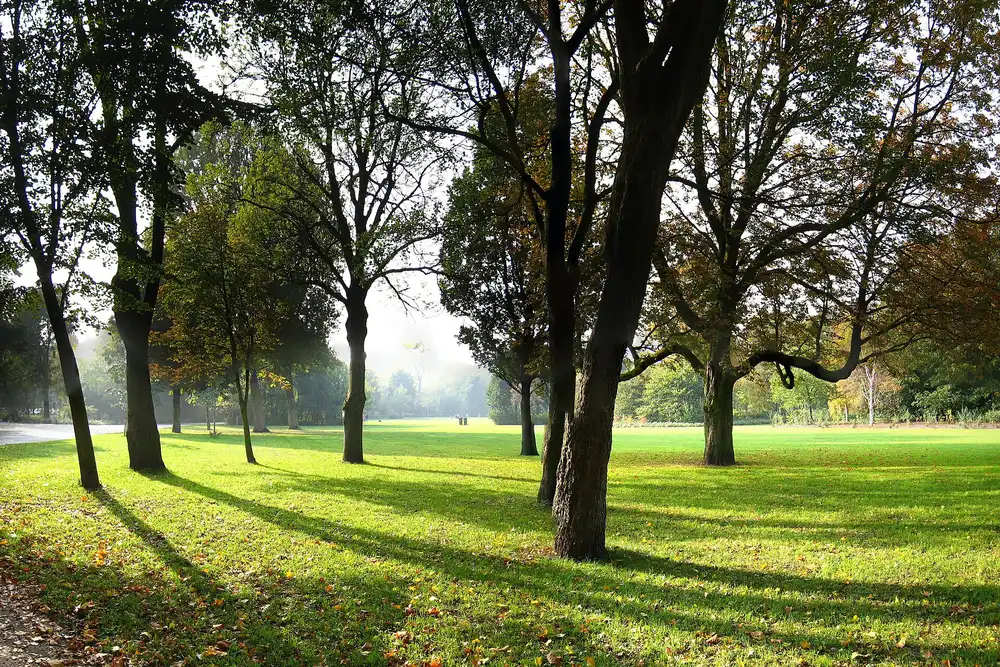
Photo: Grasveld Oosterpark by S Sepp, CC BY-SA 3.0, via Wikimedia Commons.
Related Guides
- Amsterdam Map: Orient Yourself by Neighborhood and District
- Amsterdam Neighborhood Guide for Where To Stay and Explore
- Amsterdam History For Newcomers: A Clear Timeline
- Amsterdam Grocery Shopping and Markets Guide for Locals
- Amsterdam Parks Guide For Every Type Of Visit
Free Amsterdam tools: Which Amsterdam neighbourhood suits you? · Bike theft in Amsterdam by neighbourhood