
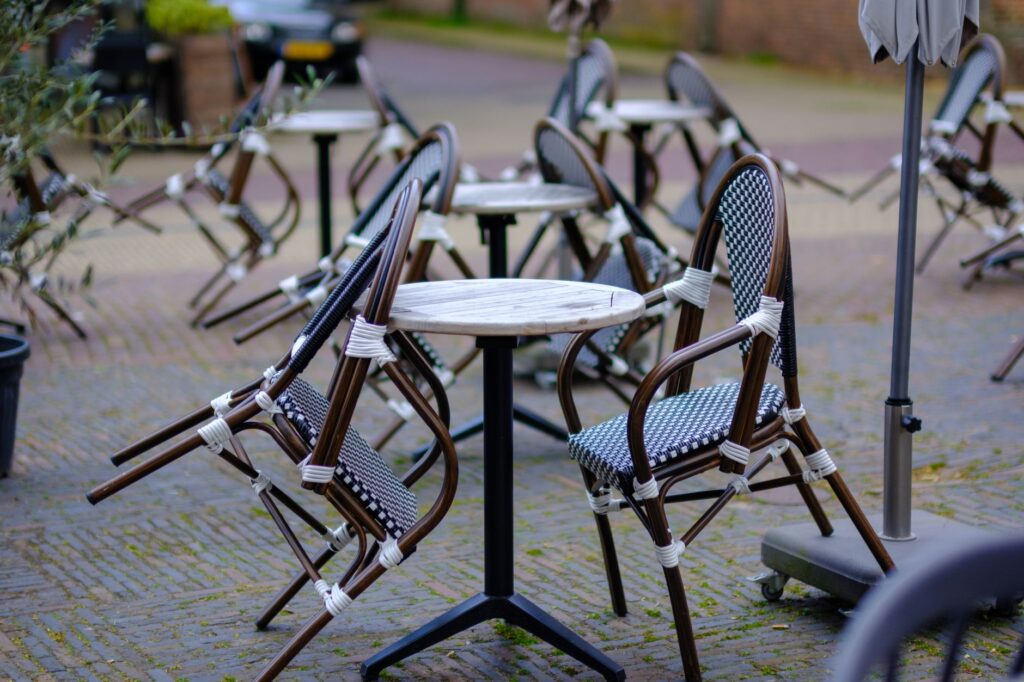
Beethovenstraat in Amsterdam Oud-Zuid has spent a century as a quiet, old-money shopping street. Now it looks more like a runway.
Longtime resident Frank van Kolfschooten has lived on the street since 1992 and wrote its history.
He remembers Cafe-restaurant Henri Smits, where neighborhood ladies once came for tea and cake.
That building now houses Williams, a British-style restaurant with white tablecloths and a young, well-dressed lunch crowd.
A history of newcomers
Architect H.P. Berlage never planned Beethovenstraat as a shopping street at all.
His Plan Zuid gave that role to Minervalaan.
An economic crisis after the street’s 1928 completion left homes empty, and German Jewish refugees moved in and opened small shops there.
By 1970, the street had eight delicatessens and a reputation for fine food.
Today only one cheese shop, one butcher, one fishmonger and two bakeries remain from that era.
The post-Covid shift
Suzanne van Broekhuizen runs wine merchant B.J. de Logie, on the street since 1928 and in her family for six generations.
She traces the newest change to after the pandemic, when restaurants like Cafecito, Et Claire, Ludwig’s, Jondani Downtown and Margaux began arriving.
“What you used to have on PC Hooftstraat, and later on Cornelis Schuyt, is now happening on Beethovenstraat,” she said, describing a younger, wealthier crowd that fills the terraces and greets each other table to table.
Not everyone welcomes it equally
Restaurateur Mickey de Jong spent years trying to open on the street before launching Jondani Downtown, a gold-toned spot serving oysters, caviar and truffles.
He said the new restaurants’ shared energy, despite different menus, is part of the draw, pulling in visitors from across the country.
Sushi spot owner Lode van Hattum, who grew up nearby, said a viral 2024 “sushi sandwich” moment shifted his customers away from old neighborhood regulars toward a younger, more diverse crowd from across the city.
Van Broekhuizen said she still hears the same kind of complaints from some shopkeepers that circulated decades ago, when the street’s newcomers were Muslim families and people of color rather than diners at expensive restaurants.
Looking for your next table? Explore our guide to eating out in Amsterdam.


![Top [count] Travel Blogs to Follow - OnToplist.com](https://www.ontoplist.com/images/ontoplist31.png?id=6a8dcf108f478)